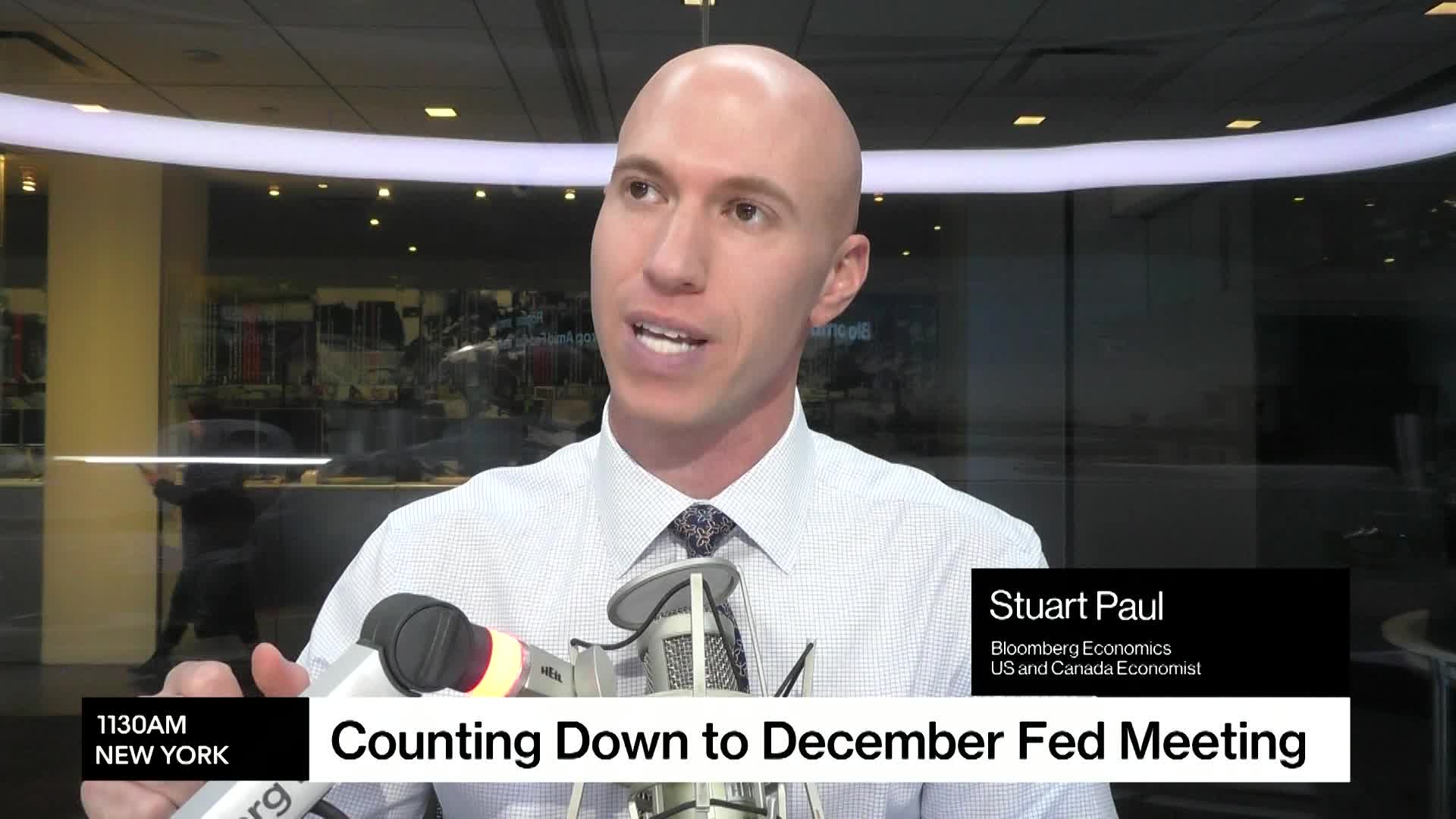
Recent data point to a softening U.S. macro backdrop—ADP-reported layoffs in November, an ISM services upside driven by slowing supply chains but with weakening new orders and employment, flat import prices, and September manufacturing output essentially flat—strengthening expectations for a 25bp Fed cut in December and a divided 2026 dot plot. Retail earnings show a cautious consumer: Macy’s issued a conservative profit forecast despite solid seasonality, while Dollar Tree raised guidance as shoppers trade down; Black Friday/Cyber Monday trends remain mixed. On trade, Canada is holding off substantive USMCA talks until U.S.-Mexico border issues are resolved (effective Canadian tariff rates ~3–4%), and political discussion includes a likely Kevin Hassett Fed nomination that markets appear to have priced in, implying partisan confirmation risk but limited market pushback to date.
Market structure: A December 25bp Fed cut (now consensus) + slower tariff pass-through will incentivize value consumption and compress margins for manufacturers who can’t pass costs. Direct winners: discount grocers/dollar stores (DLTR, KR) and defensive staples; losers: mid/high discretionary names (M, PVH) and margin-sensitive suppliers. Expect modest curve steepening after an initial rally in Treasuries — 10y yields could fall ~15–25bp near-term then re-steepen if 2026 dots are hawkish. Risk assessment: Tail risks include Fed politicization (Hassett nomination) producing a back-up in real yields, or a surprise hawkish dot-plot that re-prices front-end rates; both would harm long-duration assets. Immediate (days): Fed statement, ADP/ISM retail prints and Black Friday/Cyber Monday flow; short-term (weeks–months): holiday comps and retail earnings volatility; long-term (quarters/years): trade re-negotiation timeline (Q2 2026) and durable goods normalization. Hidden dependency: inventory/markdown cycles mean retailers can show sales growth while margins collapse 200–500bp before stabilization. Trade implications: Favor long exposure to discount retail (DLTR) and selective grocery (KR) and short selective mall/mid-tier department stores (M, PVH) where forecasts are conservative and volatility high. Rate-sensitive plays: position for an initial front-end rally (buy 2s5s/5s10s steepener) but size conservatively and cap exposure: hedge with a 10y call spread sized to limit P/L if 10y jumps >20bp. Options: buy 1–3 month DLTR call spread and buy 1–2 month M put spread around earnings; buy TY straddle limited to Fed-day event risk. Contrarian angles: Consensus already prices a December cut and a Hassett nomination; the market may underappreciate hawkish 2026 dots that would lift front-end yields and strengthen USD, which hurts exporters and EM. Discount retailers may also be priced for perfection — avoid pay-up risk if DLTR rallies >15% post-report. Historical parallel: 2019 pre-cut retail rotations reversed when labor/ISM reaccelerated; set hard stops (see triggers) rather than assume persistent trend.
AI-powered research, real-time alerts, and portfolio analytics for institutional investors.
Request DemoOverall Sentiment
mildly negative
Sentiment Score
-0.22
Ticker Sentiment
