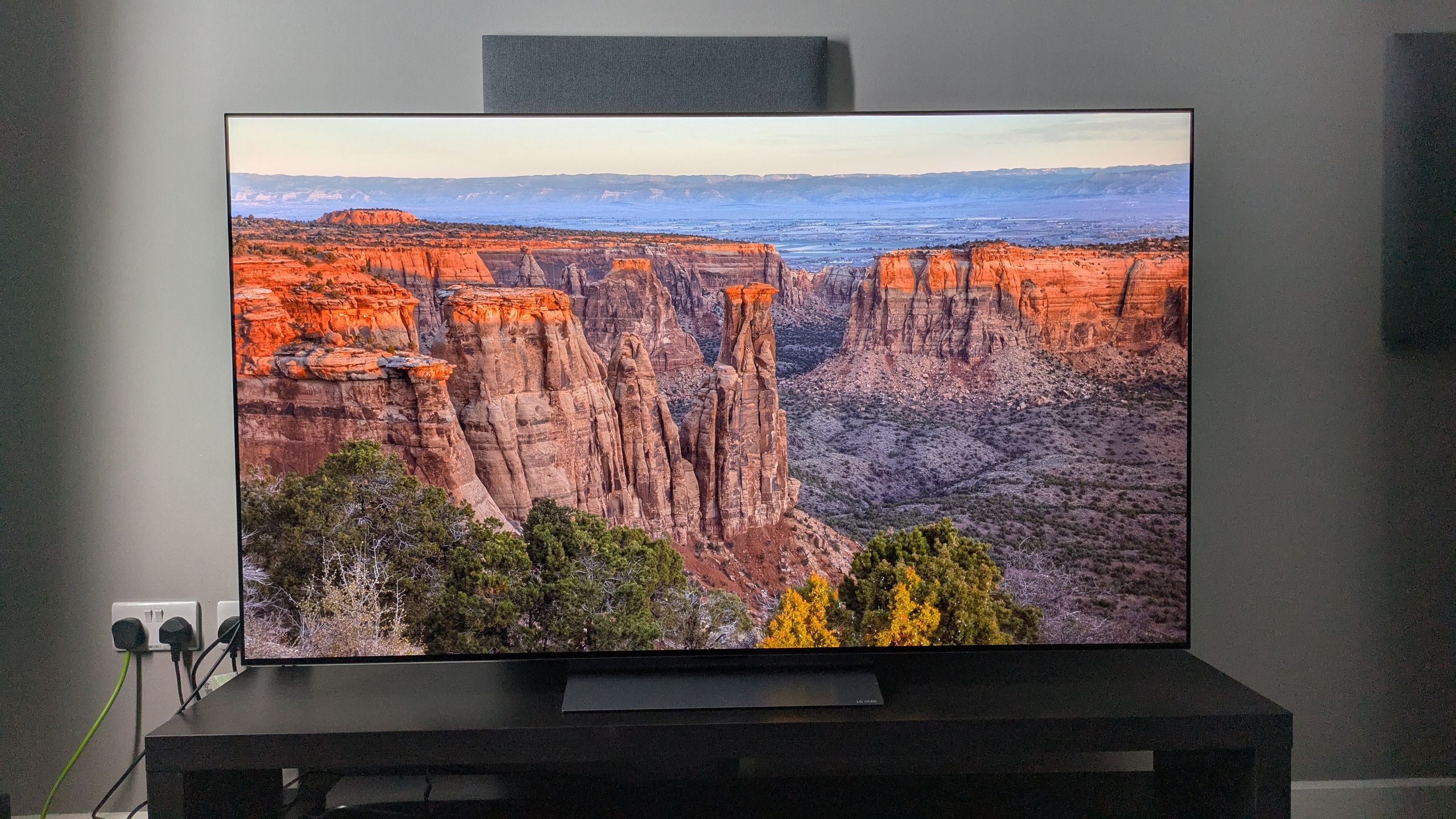
Leading TV makers (LG, Samsung, TCL, Hisense, Sony, Panasonic) are expected to push incremental product improvements at CES 2026—priorities include higher OLED brightness, lower Neo QLED pricing, enhanced gaming features and improved viewing angles. The article cites measured figures that highlight competitive differentiation and pricing tension: LG B5 peak HDR 688 nits (Filmmaker)/fullscreen 172 nits and LG C5 peak ~1,180 nits; Samsung QN80F launched at $1,299 (55in) vs TCL QM7K at $999; TCL input lag ~13.5ms versus Hisense sub-10ms; Hisense U75QG peak 3,372 nits/fullscreen 887 nits; Panasonic Z95B peak 992 nits vs LG G5 2,268 nits. These product-level gaps imply continued feature-driven competition that could pressure ASPs and market share dynamics in the TV sector rather than trigger immediate material market moves.
Market structure: The article signals a bifurcation — premium OLED/QD‑OLED innovation (winners: SONY, LG, Samsung flagship units and display material/equipment suppliers) versus aggressive mid‑range price competition (winners: TCL, Hisense). Example: Samsung QN80F launched ~30% above TCL QM7K ($1,299 vs $999) implying pressure on Samsung to cut prices or cede share in 2026; panel suppliers with unique IP (QD conversion, tandem RGB) gain pricing power near term.
Risk assessment: Immediate catalyst window is CES Jan 2026; short term (Q1–Q2 2026) is pricing & inventory adjustment risk as OEMs react. Tail risks include supply shocks (LGD/Samsung Display concentration), Chinese OEM price wars driving margin collapses (>500bps) and potential regulatory scrutiny on display supply chains; hidden dependency: HDMI 2.1/console refresh timing materially affects gaming‑segment demand.
Trade implications: Tactical plays favor display‑capex beneficiaries (equipment/materials) and OEMs that deliver differentiated mid‑range features at lower cost. Use option structures to limit event risk around CES and quarterly prints; expect re‑rating windows within 1–3 months after product launches.
Contrarian angle: Consensus assumes incumbents keep premium pricing; underappreciated is the speed of mid‑range quality catch‑up (TCL/Hisense) which historically compresses gross margins within 6–12 months (LCD commoditization analog). Unintended consequence: a brightness arms race may raise warranty/service costs and power consumption, pressuring retail returns and aftermarket service lines.
AI-powered research, real-time alerts, and portfolio analytics for institutional investors.
Request DemoOverall Sentiment
mildly positive
Sentiment Score
0.32
Ticker Sentiment
