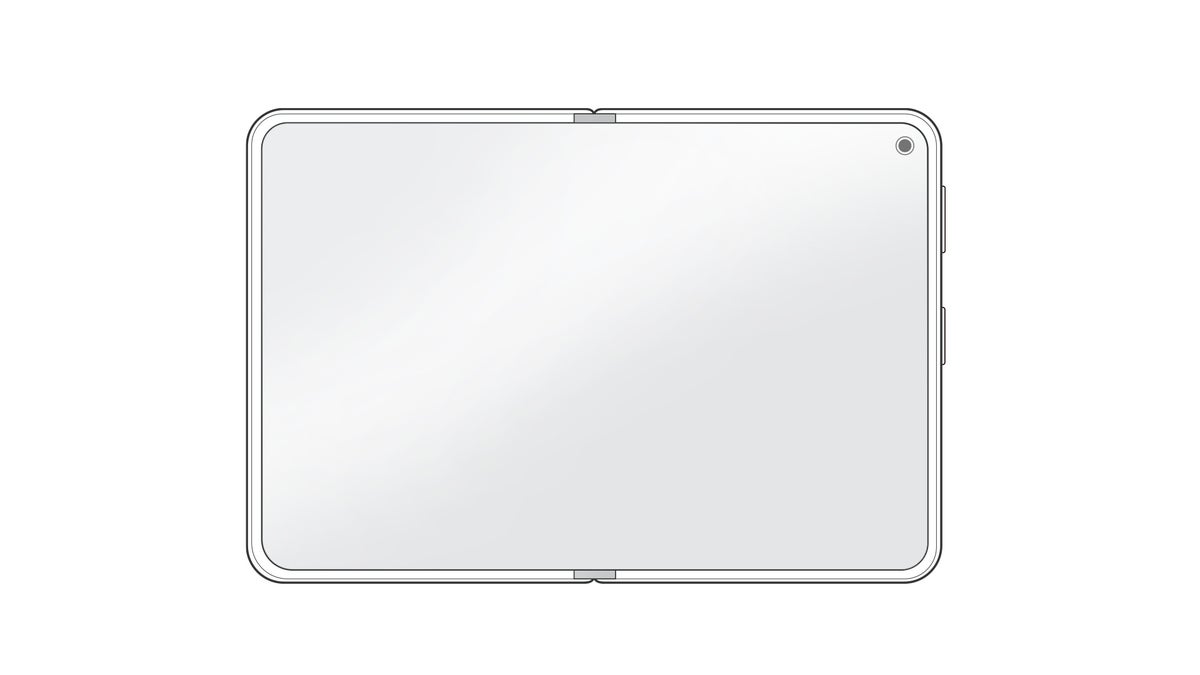
Huawei is reportedly developing a new 7.5-inch inner-display wide-folding flagship, tentatively called the Pura Wide Fold, alongside the Pura X2. The article frames this as evidence that wide-fold foldables may become a major smartphone form factor, with Huawei and Samsung preparing rivals to Apple's rumored iPhone Ultra. No financial results or concrete launch timing are provided, so the near-term market impact appears limited.
The key signal is not the device itself, but the platform-level validation of a new handset geometry that optimizes for AI-first, multi-pane use cases. If wide-fold formats gain traction, the value migrates from raw screen size to software adaptation, hinge durability, and component miniaturization; that favors firms with display, hinge, camera-module, and advanced packaging exposure over legacy smartphone assemblers. The market is still underestimating the second-order effect: a successful wide-fold category could pull share from today’s standard premium slab phones more than from existing book-style foldables. For AAPL, this is a double-edged catalyst. Near term, it increases pressure to accelerate a higher-end differentiated form factor because the premium customer may increasingly value “tablet-in-pocket” utility over incremental camera upgrades; over 12-24 months that can compress upgrade cycles in the top decile of iPhone buyers. But the bearish consensus may be overstated because Apple can usually wait until a category is proven and then monetize it with superior ecosystem lock-in, which means the real risk is not unit share loss in year one, but a slower premium mix if competitors seed the category first. The overlooked losers are mid-tier Android OEMs and accessory ecosystems built around current fold dimensions. If the external screen stays small, many use cases shift toward unfolded, landscape consumption, which raises the importance of content optimization and GPU/NPU efficiency; that should benefit component vendors tied to memory bandwidth, flexible OLED, and thermal solutions. Tail risk is that early adoption remains novelty-driven and the category stays niche, in which case the supply chain build-out becomes a margin trap for panel and hinge suppliers over the next 6-9 months. The most actionable setup is a relative-value trade rather than a blunt directional call: long AAPL vs. a basket of exposed Android hardware names on any strength into product-launch hype, while using short-dated downside protection if the market starts pricing in a broad form-factor shift. A faster, higher-beta expression is to own display and hinge component beneficiaries on a 6-12 month view, but only after confirming production ramps; pre-ramp enthusiasm can fade quickly if durability or weight issues show up in reviews. The contrarian view is that wide-folds may be less about mass-market adoption and more about premium segmentation, which would make the revenue pool smaller but more profitable than the headline suggests.
AI-powered research, real-time alerts, and portfolio analytics for institutional investors.
Request DemoOverall Sentiment
neutral
Sentiment Score
0.15
Ticker Sentiment
