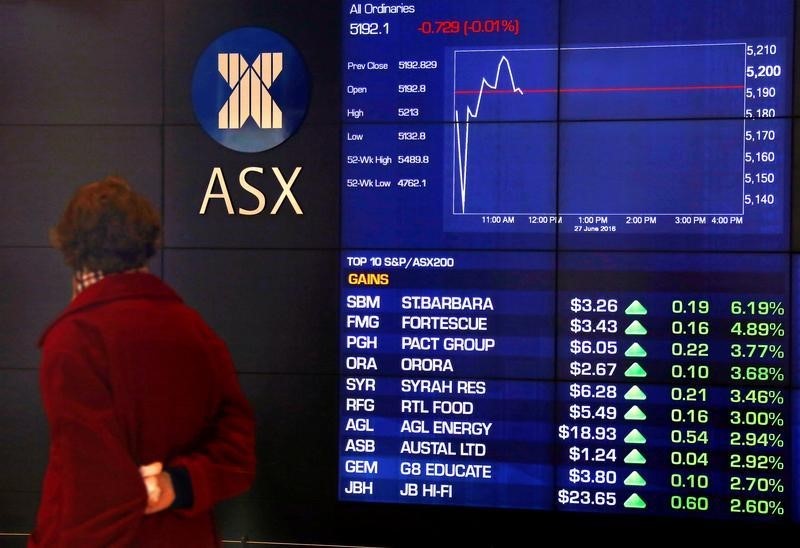
Geopolitical tensions and a reported U.S. move to begin an Iran port blockade on April 13 are driving a broad risk-off tone, with crude oil surging 7.49% to $103.80 a barrel and Brent up 7.01% to $101.87. The S&P/ASX 200 fell 0.39%, while the VIX rose 2.96% to 16.03 and risk-sensitive assets were mixed to weaker, including gold down 0.72% and the U.S. dollar firmer. The move has clear market-wide implications, especially for energy, commodities, and volatility.
This is a classic risk-off shock with a commodity impulse that matters more for positioning than for headline macro. A sudden oil spike plus firmer vol is the combination that tends to force systematic deleveraging: higher realized volatility lifts risk parity de-grossing, while higher energy prices tighten the cost of capital for cyclical and consumer-sensitive names over the next 1-3 weeks. In Australia, that usually means underperformance in transport, discretionary, and rate-sensitive financial proxies even if the initial market move looks broad and indiscriminate. The more interesting second-order effect is that an oil spike can quickly flip the market’s growth/inflation mix. That is supportive for energy-linked cash flows but negative for anything whose margin structure assumes stable input costs or cheap freight; the pain often shows up first in retailers, airlines, and packaging/logistics rather than in the obvious oil consumers themselves. A weaker AUD would partially cushion the local market, but it also transmits imported inflation into consumer spending power, so any rebound in equities is likely to be narrow and quality-biased. For TLX specifically, the move is not fundamental to the business, but it is exactly the kind of high-quality, long-duration defensive growth name that tends to attract incremental capital during geopolitical stress. If the session becomes a broader factor rotation out of cyclical beta, TLX can stay bid for several days even without company-specific news because investors use it as a liquidity shelter with idiosyncratic upside optionality. The contrarian takeaway is that the energy move may be too abrupt to fade immediately, but the equity implication can still be overstated if crude retraces after the first policy response or if the market has already been positioned defensively. The near-term catalyst window is days, not months: if crude holds above the psychologically important level into the next few sessions, expect further de-risking; if it slips back below it, the rally in defensives should fade quickly and cyclicals can mean-revert.
AI-powered research, real-time alerts, and portfolio analytics for institutional investors.
Request DemoOverall Sentiment
mildly negative
Sentiment Score
-0.20
Ticker Sentiment
