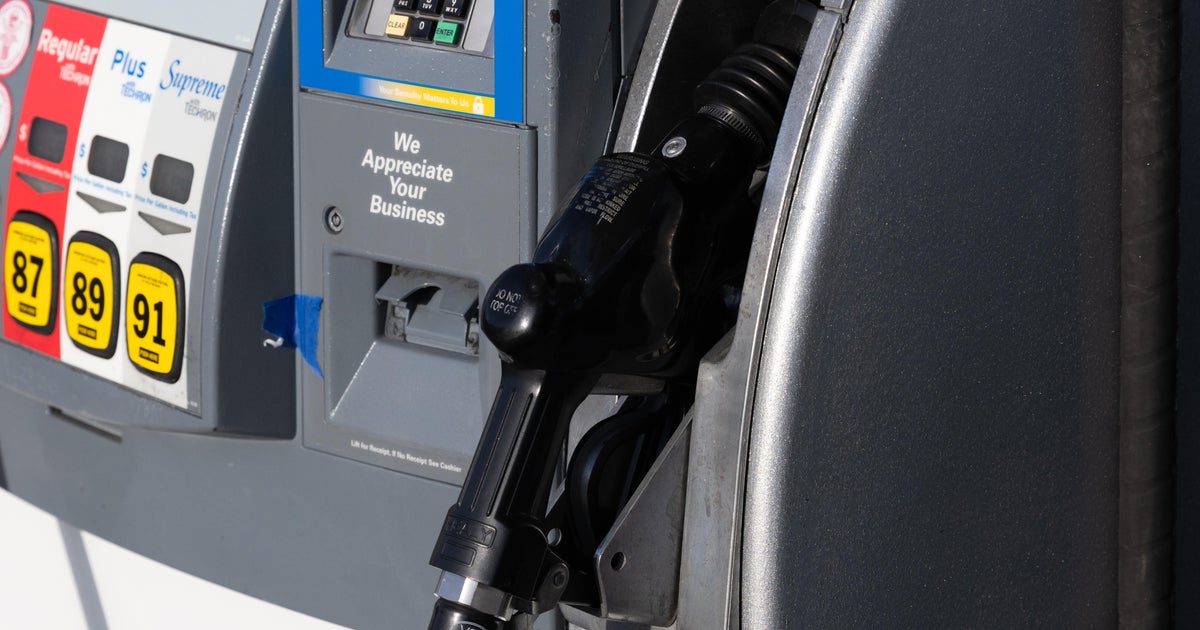
Twin Cities gas prices rose above $4 a gallon, with the metro average at $4.03 versus $3.99 statewide and $4.30 nationally, as costs continue climbing due to the war in Iran. Prices have increased from $3.45 last month to $3.98 on Wednesday, and drivers say higher fuel costs are pressuring rideshare economics. Minnesota remains below the national average but is still above the Dakotas and Wisconsin in some cases, underscoring a broader inflationary impulse from energy markets.
The near-term winner is not the fuel retailer; it is whichever platform can capture stranded driver hours without having to fully subsidize them. Uber has more scale, broader trip density, and a deeper ability to spread fuel incentives across a larger GMV base, so it should defend supply better than Lyft if driver churn accelerates. Lyft is more exposed because its network is thinner and its drivers have fewer alternate peak-hour monetization options, which makes incremental fuel inflation more likely to show up first in wait times and surge volatility rather than just in headline trip volume.
The second-order effect is a margin squeeze that arrives before demand destruction. Riders don’t instantly cut usage when gas spikes; the first response is lower driver availability, higher ETAs, and more expensive peak pricing, which can actually support revenue per trip in the short run while impairing reliability. Over weeks, that turns into lower completed trips, higher incentive spend, and a worse mix, especially in lower-density markets where each incremental dollar of fuel costs is a larger share of driver economics.
The catalyst window is days to 2-3 months: if gasoline stays above the psychological threshold, driver supply should tighten first, then consumer elasticity should start to bite as fares drift higher. A reversal would likely require either crude retracement, regional policy intervention, or a sharp easing in geopolitical risk; absent that, the issue compounds because rideshare drivers can reallocate labor faster than the platforms can replace them. The contrarian angle is that the market may be overestimating the immediate demand hit and underestimating the supply-side benefit to incumbency: fewer casual drivers can actually improve unit economics for the larger player if pricing power offsets incentive burn.
I would expect relative underperformance in LYFT versus UBER over the next 4-8 weeks if fuel remains elevated, with the gap widening on any sign of driver churn or service degradation in dense metros. The cleaner trade is a relative-value short LYFT / long UBER position rather than a naked short, because the macro shock may lift both via higher fares before it hurts volumes. Longer-dated downside optionality in LYFT looks attractive if volatility is cheap, since the main risk is not a one-week gas spike but a sustained erosion in driver supply economics.
AI-powered research, real-time alerts, and portfolio analytics for institutional investors.
Request DemoOverall Sentiment
mildly negative
Sentiment Score
-0.32
Ticker Sentiment
