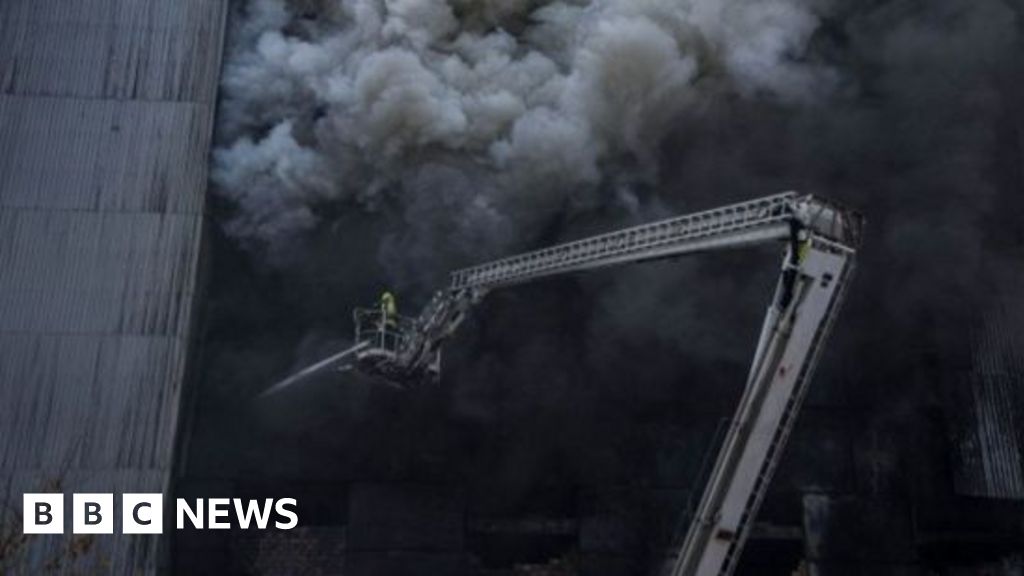
A series of Russian strikes over recent months has destroyed warehouses that supply the bulk of Ukrainian pharmacies, most notably a 6 December strike on a BADM facility in Dnipro that destroyed about $110m of medicines—around 30% of Ukraine’s monthly supply—and an October hit on Optima Pharm that cost the company more than $100m; BADM and Optima together supply roughly 85% of pharmacies. The attacks have erased vitally important, often imported drugs, disrupted humanitarian distribution (the IRC lost $195,000 of supplies serving some 30,000 people) and exacerbate treatment challenges after nearly four years of war, while Kyiv reports over 2,500 medical institutions damaged and more than 500 medical workers killed and the WHO has recorded 2,763 attacks on health care with a 12% rise in 2025. Russia denies targeting civilians; distributors say they may restore most supplies within a month to six weeks, but the strikes heighten short-term shortage risks and add further strain to Ukraine’s health-care logistics and procurement.
Russian air and drone strikes have destroyed major pharmaceutical warehouses that supply the bulk of civilian pharmacies in Ukraine, most notably the 6 December attack on BADM's Dnipro facility that destroyed about $110m of medicines (estimated at up to 30% of Ukraine’s monthly supply) and an October strike on Optima Pharm that cost the company more than $100m; BADM and Optima together supply roughly 85% of pharmacies. The International Rescue Committee reported the loss of $195,000 of medication from the Dnipro hub that could have served about 30,000 people, underscoring immediate impacts on humanitarian distribution chains. BADM stated the destroyed stock included imported, non‑domestically produced drugs and expressed hope supplies could be restored within a month to month‑and‑a‑half, but repeated hits on Optima (three warehouse strikes this year) point to sustained operational disruption. Kyiv government data indicate more than 2,500 medical institutions damaged or destroyed and over 500 medical workers killed, while WHO has recorded 2,763 attacks on healthcare with a 12% increase in 2025, elevating logistics, procurement and counterparty risk for the health sector.
AI-powered research, real-time alerts, and portfolio analytics for institutional investors.
Request DemoOverall Sentiment
strongly negative
Sentiment Score
-0.70
