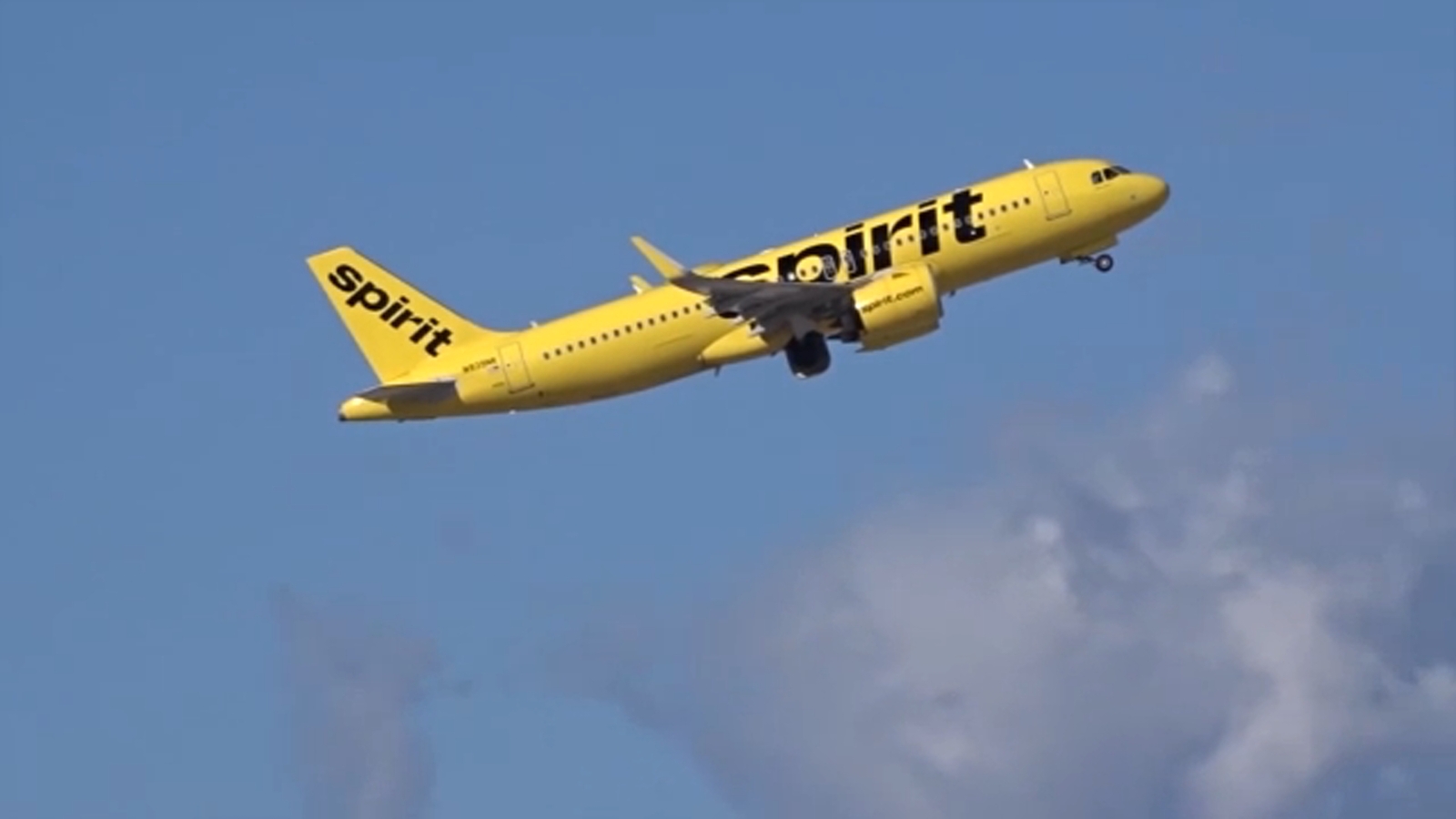
Spirit Airlines has gone out of business after 34 years, announcing an orderly wind-down effective immediately and canceling all flights. The shutdown follows failed bailout efforts and a second bankruptcy in less than two years, with the carrier reporting $8.1 billion of debt and $8.6 billion of assets in August 2025. About 17,000 jobs could be impacted, and the exit may reduce competition and raise fares in key leisure markets such as Las Vegas, Fort Lauderdale, and Orlando.
The immediate beneficiary is not just the obvious incumbent airlines but the entire fare stack below the legacy carriers: a permanent removal of a structurally unprofitable low-end price setter should widen unit revenue dispersion across leisure-heavy routes. The first-order read is higher fares in Spirit-dense markets, but the second-order effect is more powerful: competitors can reprice ancillary bundles, seat selection, and baggage more aggressively because the most price-sensitive reference point disappears. That should support yield improvement for carriers with strong Florida, Las Vegas, and secondary-city exposure over the next 1-3 quarters.
The key risk is timing. In the next few weeks, the market may underappreciate how quickly capacity can be redeployed by competitors, which can cap the magnitude of fare inflation on the densest routes. But over 6-12 months, the industry has a history of retaining pricing discipline after a capacity shock, especially when surviving carriers are still repairing balance sheets and will prioritize margin over share. The bigger macro concern is consumer downtrading: lower-income leisure demand may soften as fares normalize upward, which could shift volume to drive-to alternatives and compress demand in discretionary travel segments later this year.
From a restructuring lens, the event is a clean endpoint to a long insolvency cycle, but it also raises the bar for future rescue narratives in airline credit. Counterparties to watch are aircraft lessors, airport landlords, and regional service providers that relied on Spirit traffic density; the read-through is negative for names with concentrated exposure to budget-carrier volume and positive for those with diversified tenant bases. Contrarianly, the move may be overdone in the near term for legacy airlines if investors assume a straight-line windfall: the more likely path is a gradual margin tailwind rather than an immediate step-function in profits, because competitive response and demand elasticity will absorb part of the capacity vacuum.
AI-powered research, real-time alerts, and portfolio analytics for institutional investors.
Request DemoOverall Sentiment
extremely negative
Sentiment Score
-0.98
