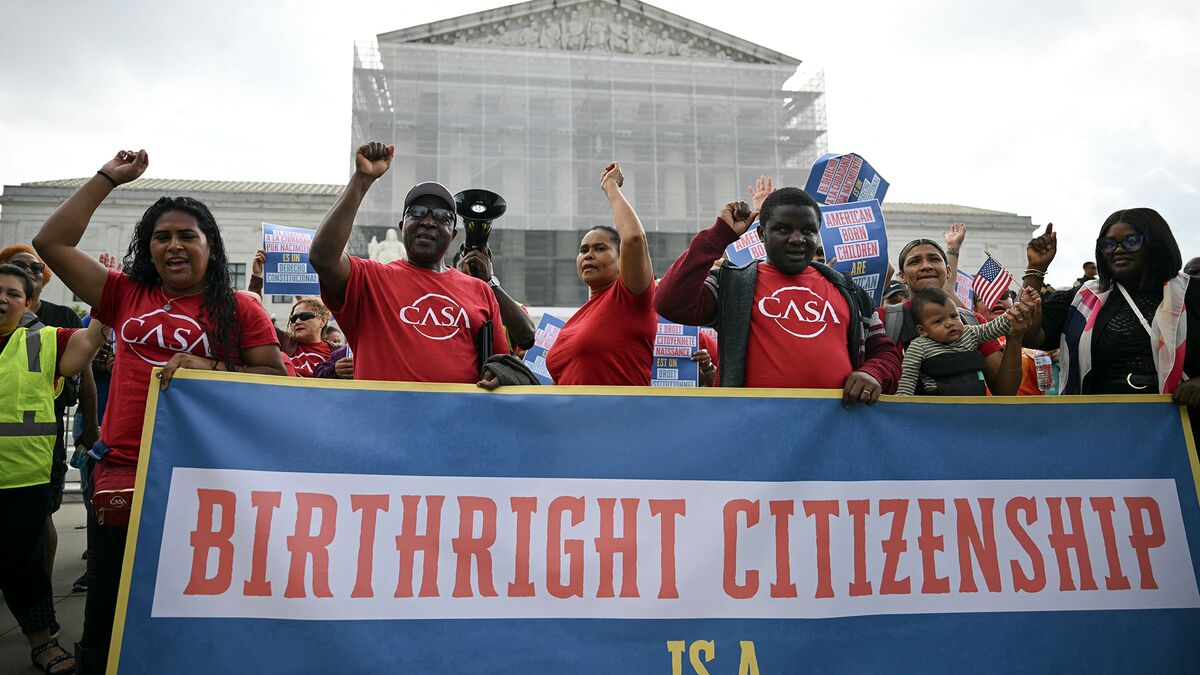
The Supreme Court, with its 6-3 conservative majority including all three Trump appointees, significantly curtailed the power of lower federal courts to issue nationwide injunctions. This ruling removes a key judicial check on executive actions, potentially enabling a future administration to implement policies with less immediate nationwide legal impediment and consolidate power, as exemplified by past attempts to challenge measures like birthright citizenship.
The Supreme Court has materially altered the landscape of judicial oversight by curtailing the power of lower federal courts to issue nationwide injunctions. This ruling, passed by the court's six-member GOP-appointed majority, directly removes a significant brake on the executive branch's ability to implement sweeping policies. The decision effectively means that challenges to executive orders will likely be litigated on a circuit-by-circuit basis, preventing a single lower court from halting a policy across the entire country. While the immediate market impact is assessed as low, this structural change introduces a higher degree of potential regulatory and policy volatility. A future administration, particularly one inclined toward unilateral action as implied by the reference to Donald Trump, can now enact policies with more immediate and widespread effect, as the legal mechanism for a swift, nationwide temporary stop has been dismantled. This elevates the importance of monitoring political developments as a key risk factor, as future executive actions could be implemented more rapidly and with less initial judicial friction.
AI-powered research, real-time alerts, and portfolio analytics for institutional investors.
Request DemoOverall Sentiment
neutral
Sentiment Score
0.00
