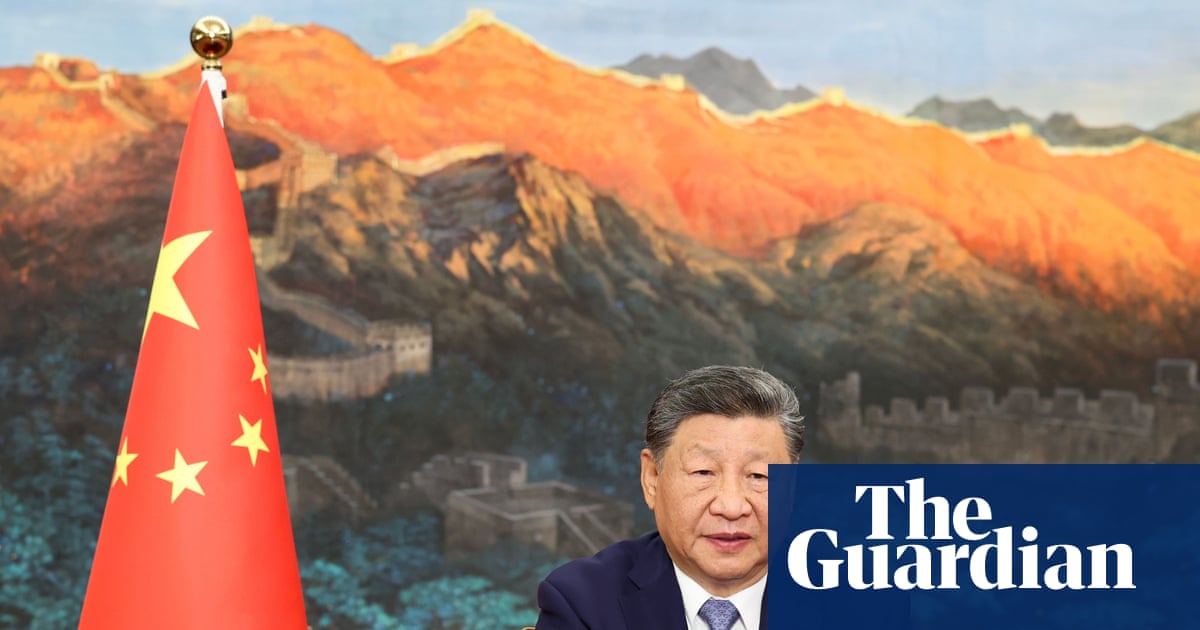
China announced new greenhouse gas emission targets aiming for a 7-10% reduction from peak levels by 2035, drawing expert criticism for being insufficient and inconsistent with its 2060 carbon neutrality goal, potentially sending mixed market signals. Despite these modest official commitments and continued reliance on coal, observers highlight China's substantial clean energy investments, including $625 billion last year, and plans for a six-fold increase in wind and solar capacity, suggesting a potential 'underpromise and overdeliver' strategy that continues to drive global renewable energy development and reshape market dynamics.
China has announced a new emissions target to cut greenhouse gases by 7-10% from their peak by 2035, a figure that climate experts have criticized as critically insufficient and misaligned with its stated 2060 carbon neutrality goal. This apparent lack of ambition in official policy, which risks sending mixed signals to global markets, is contrasted by substantial, economy-reshaping actions on the ground. China invested $625 billion in clean energy last year, representing 31% of the global total, and plans to expand its wind and solar capacity to 3,600GW, a six-fold increase from 2020 levels. This aggressive capital allocation has already made clean energy over 10% of China's GDP and a key driver of its economic growth, while its industrial scale has driven down global renewable costs by approximately 90% over the last decade. This dichotomy between modest pledges and massive industrial mobilization aligns with a historical pattern of 'underpromising and overdelivering'. However, a significant counter-risk persists due to the country's continued dependence on coal, which enjoys strong political support and sees new plants still in development, posing a considerable headwind to the decarbonization trajectory.
AI-powered research, real-time alerts, and portfolio analytics for institutional investors.
Overall Sentiment
mixed
Sentiment Score
-0.10
