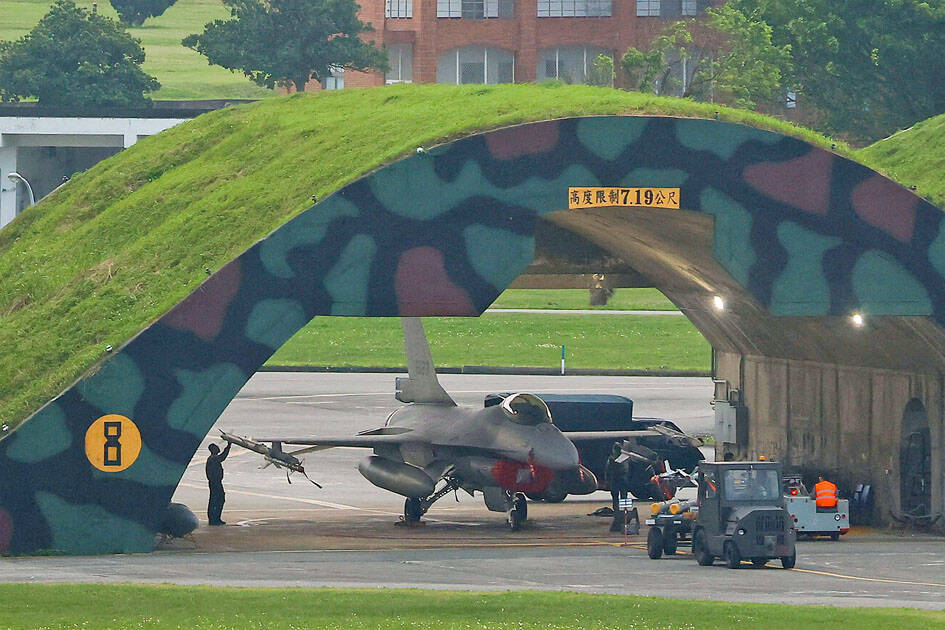
An F-16V (Block 20) single-seat fighter experienced an in-flight emergency off Hualien after a captain ejected about 10 nautical miles east of Fongbin during a routine training sortie (took off 18:17; ejection ~19:29); joint air-sea search-and-rescue assets including coast guard vessels, a Black Hawk, rescue aircraft and a C-130 were mobilized. Separately, PLA “Justice Mission 2025” drills simulated maritime blockades of key Taiwanese ports (Kaohsiung, Keelung, Hualien) and Taiwan’s National Security Bureau reported a surge in cyber intrusions against critical infrastructure (an average of 2.63 million daily attempts in 2025 and a tenfold increase in energy-targeted attacks), underscoring elevated risk to Taiwan’s supply chains, energy security and regional shipping — factors that could pressure regional logistics, insurance costs and sensitive semiconductor supply lines.
Market structure: Near-term winners are defense primes and cybersecurity vendors (higher backlog visibility, potential multi-year procurement increases) while Taiwan-facing exporters, ports, and regional carriers are losers due to routing risk and potential chokepoint scenarios. Expect freight spreads and insurance (war-risk) premia to widen; TWD will face downside pressure vs. USD and JPY in a risk-off shock. Cross-assets: US Treasuries should rally on flight-to-quality (yields down 10–30bps intraday), oil/brent can gap +3–8% if maritime risk escalates, and gold will appreciate as a safe haven. Risk assessment: Tail risks include a PLA blockade that meaningfully disrupts semiconductor supply (TSMC accounts for >50% of bleeding-edge capacity) or a successful widescale cyberattack causing multi-day power/factory shutdowns—both would create 5–30% revenue shocks for affected supply-chain nodes. Time horizons: days = volatility spikes and FX moves; weeks–months = re-routing and insurance cost normalization; quarters–years = structural onshoring and defense/cyber budget increases. Hidden dependencies include just-in-time maritime routes and single-node fabs; catalysts include additional PLA drills, US military moves, or a major outage. Trade implications: Favor selective long exposure to high-quality defense (LMT, RTX) and enterprise cybersecurity (CRWD, PANW) for 3–12 month structural upside while hedging Taiwan semiconductor exposure (TSM/EWT) with 1–3 month puts to protect against disruption. Use commodity call spreads (Brent) and GLD to hedge energy/shock inflation. Avoid outright long regional airline equities; prefer tactical short/put spreads on JETS or selected carriers for 1–3 months. Contrarian angles: The market may overpay for every defense name—pick companies with clean balance sheets and order-book visibility rather than broad ETFs. Semiconductor panic is likely overdone short-term: fabs have months of inventory and contractual cadence, so prefer buying protection (puts) rather than large naked shorts. Historical parallels (Gulf tanker shocks) show commodity and insurance moves often mean-revert in 2–8 weeks; if escalation stalls, reverse trades quickly to capture mean reversion.
AI-powered research, real-time alerts, and portfolio analytics for institutional investors.
Request DemoOverall Sentiment
moderately negative
Sentiment Score
-0.45
