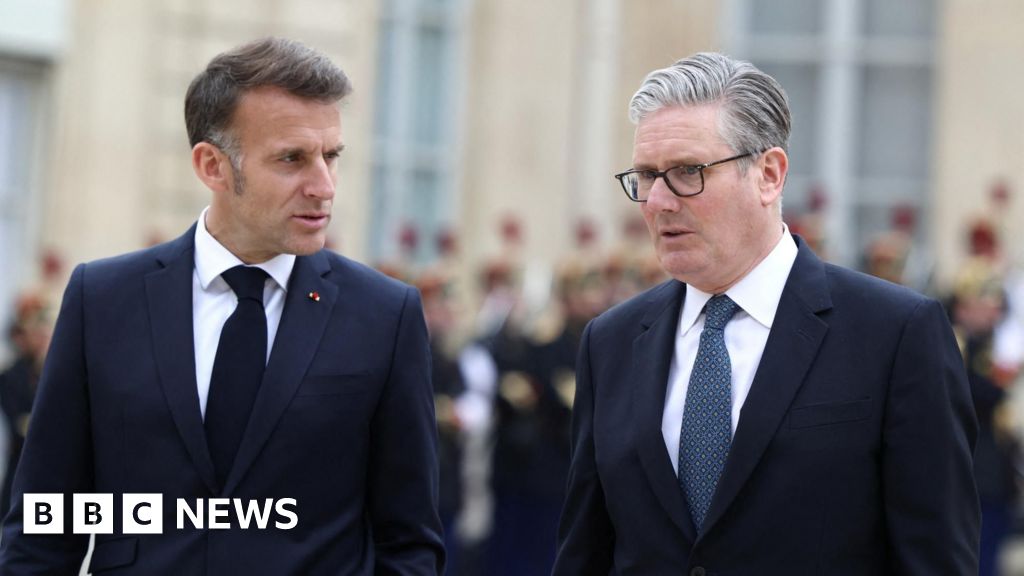
UK and France will lead a multinational defensive mission to secure commercial shipping in the Strait of Hormuz, with details to be announced next week after a London military planning conference. The article highlights continued geopolitical risk around a key energy chokepoint, following recent disruption that pushed up global energy and fuel prices. Although the strait is described as now open to commercial vessels, the situation remains fragile until the temporary US-Iran ceasefire ends next week.
The first-order read is “risk premium down,” but the second-order effect is a regime shift in who owns the optionality. A narrow shipping corridor reopening reduces immediate disruption pricing in crude and refined products, yet the bigger winner is likely marine security, mine-clearing, and defense-electronics suppliers rather than general energy. Markets tend to over-discount the resumption of traffic before insurance underwriters and charterers actually normalize; that lag can keep freight premia and delivery delays elevated for weeks even if headline flow looks restored.
The key tactical variable is not the ceasefire headline, but whether escort operations become durable or remain a political placeholder. If the mission is credible, the downside in oil is front-loaded and should be sharper in prompt contracts than in the back end, because near-dated scarcity and war-risk premiums unwind first. If the mission is symbolic and naval coverage is limited, tanker owners, insurers, and refiners with Middle East feedstock exposure still face intermittent disruption risk over the next 2-6 weeks.
Contrarianly, the market may be underestimating the inflationary impulse from rerouting and security costs even if no shots are fired. Higher insurance, slower turnaround times, and convoy constraints can keep delivered energy prices sticky enough to pressure airlines, chemicals, and European industrials without requiring a full blockade. Conversely, if the US blockade on Iranian ports stays in place, the asymmetric risk is that Iran responds via asymmetric harassment rather than overt closure, which is a worse setup for shipping equities than for outright oil.
From a positioning standpoint, this is a better short-vol event than a clean directional commodity call: realized volatility in Brent, tanker rates, and defense names should stay elevated even if spot oil cools. The most attractive setup is fading immediate relief rallies in exposed transport names while retaining upside convexity in beneficiaries of prolonged maritime security spending.
AI-powered research, real-time alerts, and portfolio analytics for institutional investors.
Request TrialOverall Sentiment
mildly negative
Sentiment Score
-0.15
