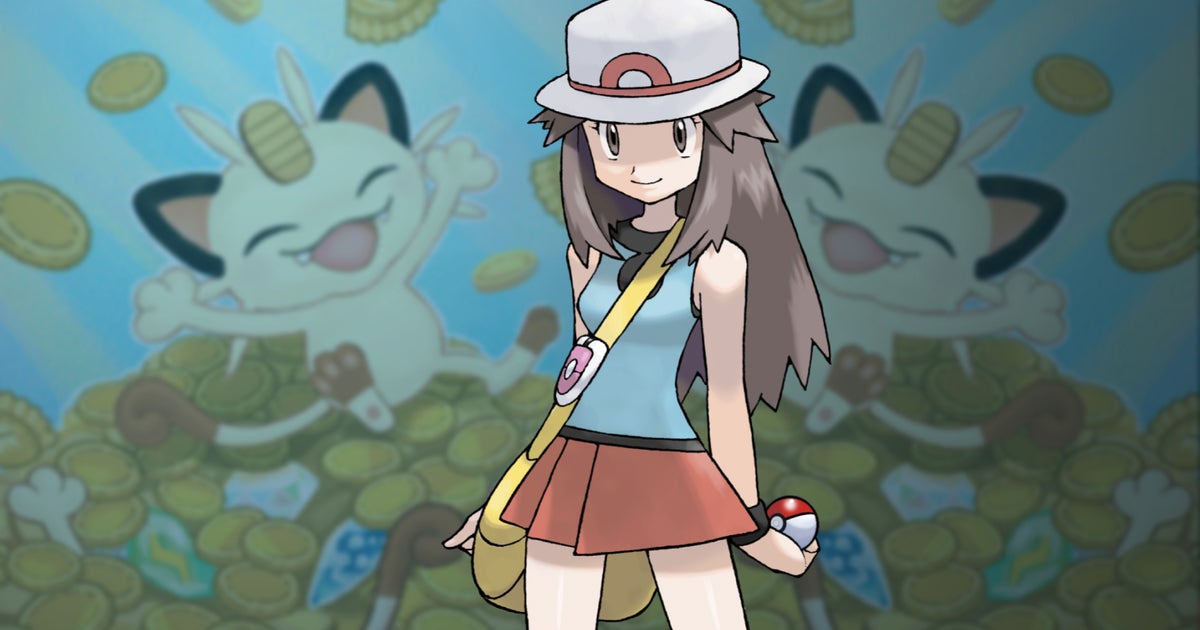
Nintendo reports FireRed and LeafGreen sold over 4 million units globally in six weeks, while Pokémon Pokopia also topped 4 million copies on Switch 2 in five weeks. The numbers point to strong franchise demand despite launch pricing and censorship complaints, reinforcing Pokémon as a highly bankable Nintendo asset. The update is supportive for sentiment, though it is more of a company-specific sales datapoint than a broad market-moving event.
This print is less about nostalgia and more about Nintendo demonstrating that it can monetize its back catalog at premium pricing without needing a boxed-console cycle. The important second-order read-through is pricing power: if consumers tolerate near-full-price remasters with minimal incremental content, Nintendo can keep using IP re-packaging to smooth earnings and extend franchise lifetime value, which supports multiple expansion on the platform ecosystem.
The bigger beneficiary may be the company’s digital funnel rather than the individual title economics. A fast-moving hit that links legacy IP into the current online/account ecosystem improves conversion into recurring software, DLC, and network services over the next 6–18 months; that is more valuable than the launch unit count itself. It also raises the bar for rivals trying to monetize old catalogs, because few publishers have the same combination of brand equity, cross-generation fan base, and platform control.
The contrarian risk is that this success invites over-extrapolation. These launches are likely front-loaded and sentiment-driven, so the revenue tail can decay quickly once the core nostalgia cohort is exhausted; if the next few releases are weaker, the market may re-rate the strategy as one-off monetization rather than a durable franchise engine. Another risk is consumer fatigue: if the company leans too hard into premium reissues, it could provoke backlash that eventually compresses attach rates or forces discounting, especially if quality-of-life changes are perceived as intrusive rather than additive.
From a trading perspective, the setup favors owning the broader ecosystem rather than chasing a single release spike. The asymmetric angle is that sustained proof of IP monetization can support a higher long-duration earnings multiple, but the near-term headline boost is already somewhat in the tape; the best entries are on pullbacks after launch enthusiasm cools. The key catalyst to watch is whether management explicitly frames these releases as a repeatable operating model in the next guidance cycle, which would convert this from a sentiment trade into a fundamentals re-rating.
AI-powered research, real-time alerts, and portfolio analytics for institutional investors.
Request DemoOverall Sentiment
moderately positive
Sentiment Score
0.68
