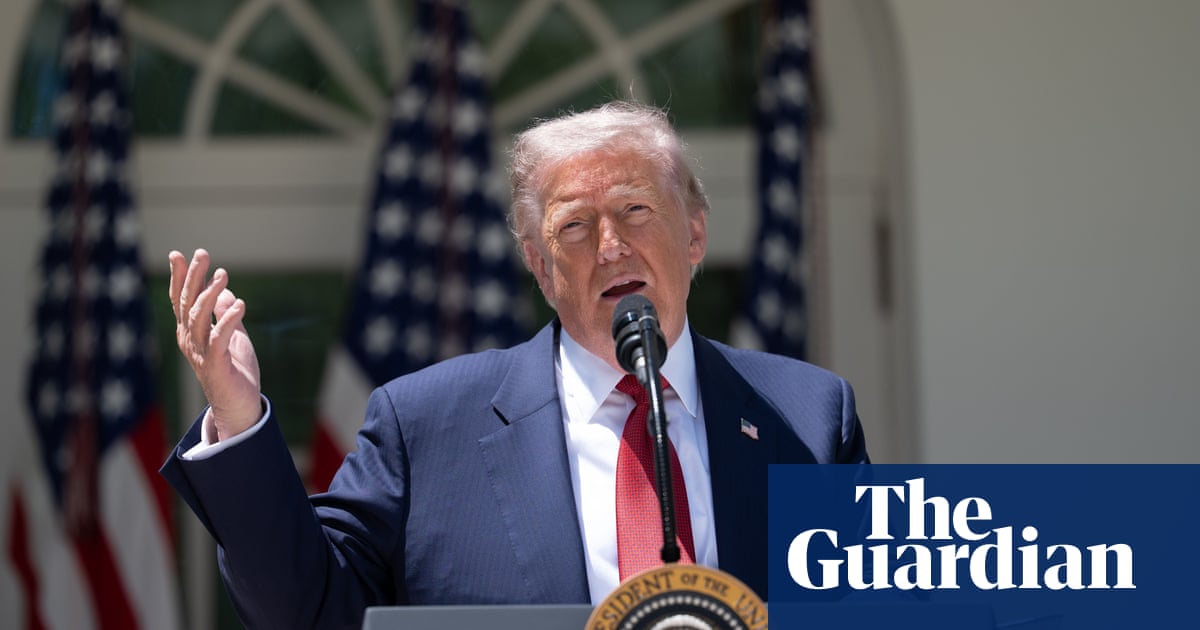
Trump announced a three-day ceasefire between Russia and Ukraine from May 9 to May 11, paired with a 1,000-for-1,000 prisoner swap and a suspension of all kinetic activity. Zelenskyy confirmed Ukraine had received Russia’s agreement to the prisoner exchange and said a ceasefire regime must be established on May 9, 10, and 11. The development is geopolitically significant but remains unconfirmed by Russia, which has not commented.
This is less a durable peace signal than a short-dated de-escalation event with asymmetric headline risk. In the next 72 hours, the market will likely price a modest reduction in immediate escalation probability, but the larger move is in volatility compression around defense, European power, and freight-related names rather than any sustained directionality. The prisoner exchange matters mainly as a coordination test: if executed cleanly, it lowers near-term tail risk; if delayed or partially violated, it confirms that ceasefire language remains tactical cover, not a path to settlement.
The second-order effect is that any pause may temporarily reduce urgency around replenishment spending, but that should fade quickly because stockpile depletion and industrial capacity constraints have not changed. Defense primes with long-cycle demand should be relatively insulated, while tactical munition suppliers and battlefield-adjacent logistics providers are more vulnerable to a brief sentiment reset. For Europe, a true pause would pressure natural gas risk premia and some defense proxies for a few sessions, but the structural premium from rearmament and energy security is unlikely to unwind unless there is a credible multilateral monitoring mechanism, which is not evident here.
The key catalyst is not the ceasefire itself but the first violation or disputed accusation, which could arrive within hours and instantly reverse any risk-on move. The market is prone to overprice process and underprice noncompliance, especially when one side can benefit from using a pause to reposition while preserving coercive leverage. Over a 1-3 month horizon, the higher-probability outcome remains intermittent truces that lower headline intensity without altering procurement, sanctions, or industrial buildout trajectories.
AI-powered research, real-time alerts, and portfolio analytics for institutional investors.
Request DemoOverall Sentiment
neutral
Sentiment Score
0.00
Contrarian view: a small but real probability exists that this becomes a signaling bridge to broader talks, and the market is likely underestimating how quickly “peace dividend” trades can crowd in if diplomatic language hardens. That argues for avoiding outright shorting of defense at current levels; the better expression is to fade the first knee-jerk spike in peace-sensitive assets while keeping exposure to long-duration defense and infrastructure beneficiaries.
