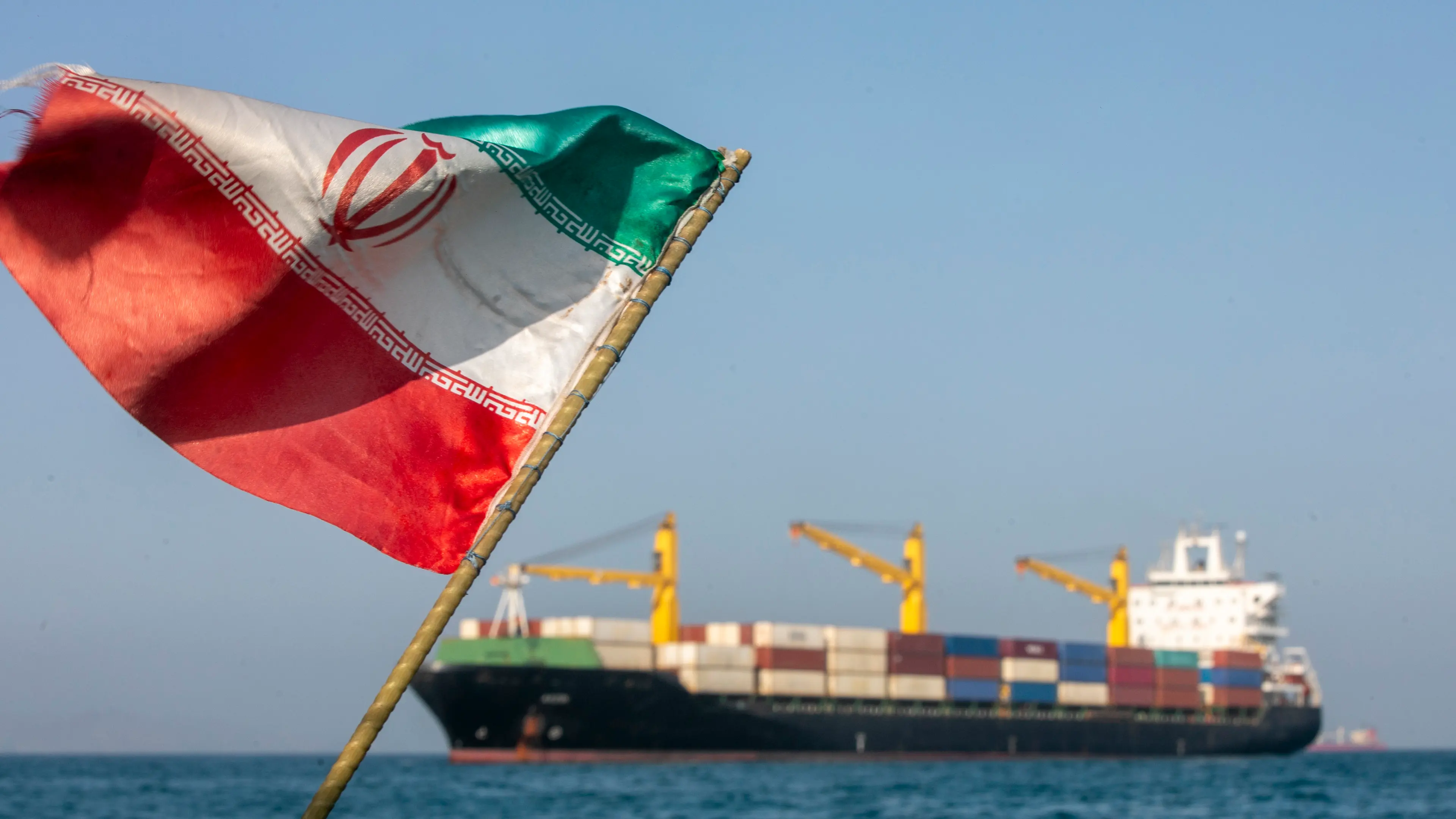
Brent crude briefly touched $100 a barrel before easing to around $99 as fresh U.S. strikes on Iran and Tehran’s retaliation warnings reignited risk across energy markets. The renewed escalation threatens the Strait of Hormuz, through which roughly one-fifth of global oil supply passes, raising the risk of further price spikes and supply disruptions. U.S.-Iran peace talks remain unresolved, with Secretary of State Rubio saying a deal could still take a few days.
The market is still pricing an oil-supply shock, but the bigger near-term effect is not just higher crude; it is volatility in delivery assumptions. If the Strait remains intermittently threatened, the premium will migrate into time spreads, freight rates, marine insurance, and working-capital needs for refiners and distributors before it fully shows up in outright barrel prices. That favors upstream cash generators and low-cost inventory holders, while punishing businesses that rely on just-in-time imports or have poor pass-through power.
The second-order loser set is broader than energy-intensive industries. European and Asian refiners, chemical producers, airlines, and container shipping operators face margin compression from a double hit: higher feedstock and higher logistics costs. The more interesting trade is not simply “long energy,” but long physicality versus financialization — names with domestic supply, short cycle capital returns, and pricing power should outperform paper-heavy asset-owners exposed to spot transport and inventory mark-to-market.
The main tail risk is not a gradual de-escalation; it is a miscalculated retaliatory event that forces a temporary closure, tolling regime, or broader regional escalation over the next few days. If that happens, the market will overshoot to the upside in crude, but the more durable rally would be in defense, cyber, and military logistics rather than in integrated oil, where gains could be capped by political pressure and strategic reserve actions within weeks. Conversely, any credible corridor/opening announcement should rapidly deflate the risk premium because inventories are still adequate for a short-lived disruption, so this is a very headline-sensitive trade with a short half-life unless physical flows are actually impaired.
Consensus is likely underestimating how quickly higher bunker fuel and insurance costs can damage non-energy margins even without a formal blockade. The overhang is less about $100 Brent as a level and more about whether traders now need to discount a recurring disruption regime. That makes the best contrarian expression buying optionality on volatility rather than chasing spot-direction outright.
AI-powered research, real-time alerts, and portfolio analytics for institutional investors.
Request DemoOverall Sentiment
strongly negative
Sentiment Score
-0.72
