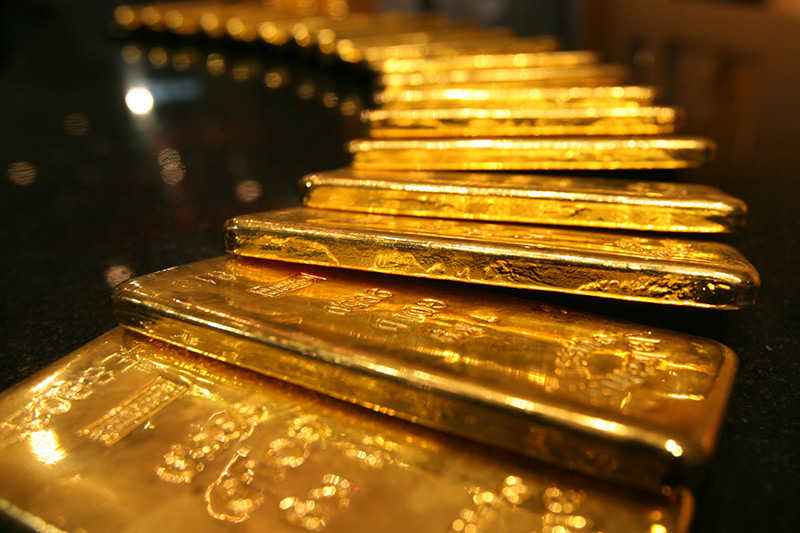
Brent crude has surged about 40% since the U.S.-Israel strikes and neared $120, while gold has fallen roughly 3% since the Iran war erupted. The dollar is up ~2.6%, Germany's 10-year Bund yield has risen ~30 bps, Europe's STOXX 600 is down about 5%, and oil volatility hit a five-year high of 120%, indicating a broad market risk-off and elevated volatility environment.
The market is pricing this crisis as an energy-specific shock rather than a broad-based demand shock, which creates a bifurcated set of winners: commodity producers and volatility-derivatives platforms, while broad-risk assets and gold are treated as situational exposures. That dispersion will widen realized vs implied volatility differentials — benefitting flow providers, options market-makers and exchanges that earn fee and clearing revenue on heightened activity for several months.
A key second-order effect is regional credit and funding stress: energy-exporting jurisdictions and their banks will see cushioning in loan performance, whereas European banks with large trading books and continental corporate exposure will face margin and funding pressure if oil stays elevated for more than one quarter. FX and rates will reprice asymmetrically — safe-haven yield curves steepen and cross-currency basis widens — creating exploitable carry and basis trades in the 1–6 month window.
Tail risk remains escalation to chokepoints (Strait of Hormuz) or sanctions that materially cut seaborne flows; that path would gap oil >$130 and force central banks into a policy vs growth conundrum over 3–9 months, which would rapidly reverse current positioning. For tactical execution, favor instruments that monetize volatility and flow (exchange/derivatives franchises) and nimble directional exposure to US E&P while hedging gold’s mean-reversion risk with time-limited option structures.
AI-powered research, real-time alerts, and portfolio analytics for institutional investors.
Overall Sentiment
mildly negative
Sentiment Score
-0.25
Ticker Sentiment
