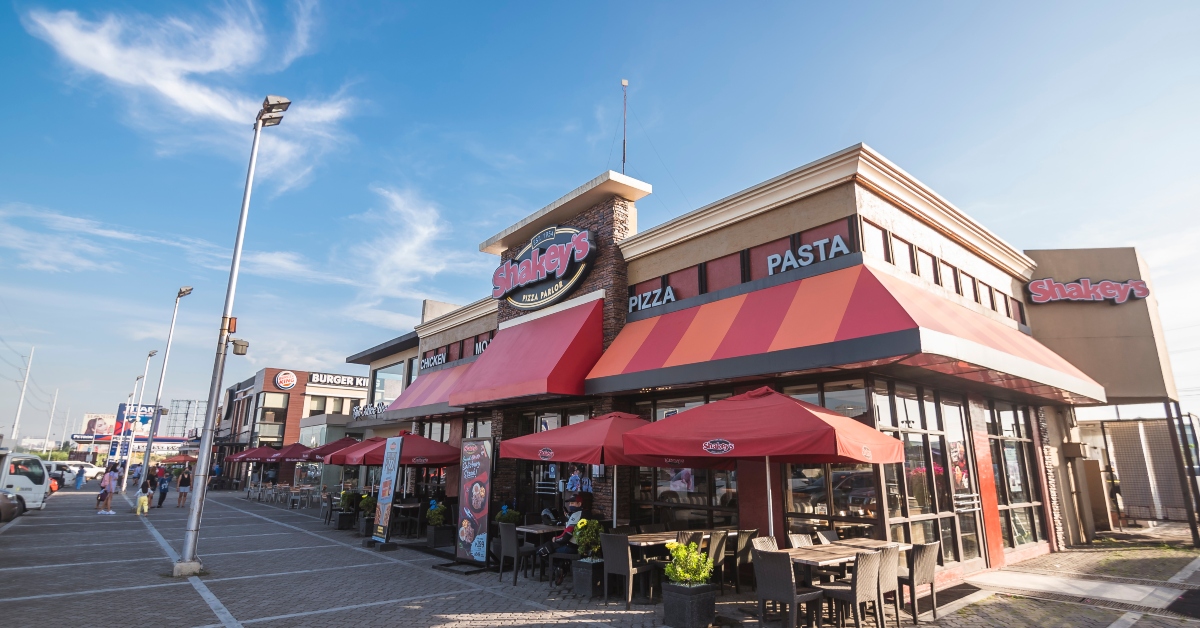
The article is a nostalgic review of defunct or diminished restaurant chains popular with Gen X, noting repeated bankruptcies, closures, and brand consolidations. It cites examples such as Chi-Chi's bankruptcy in 2004, Steak and Ale's Chapter 7 filing in 2008, Howard Johnson's last restaurant closing in 2022, and only a handful of locations remaining for chains like Ponderosa, Ground Round, Roy Rogers, and Bennigan's. The piece is lifestyle commentary rather than market-moving news, with no direct implications for public equities.
The article’s real signal is not nostalgia; it is the persistence of “memory premium” in value-oriented dining concepts that can monetize brand equity even when unit counts collapse. That favors asset-light revival stories and franchised formats more than legacy operators with heavy corporate overhead. The setup is asymmetric because consumers don’t need to visit these brands often for the nostalgia to influence booking intent, making a small number of reopening headlines disproportionately valuable.
From a public-market lens, the interesting second-order beneficiary is not the dead brands themselves but the incumbents that absorb displaced occasions. MCD is the clearest share taker when legacy casual and family-dining concepts disappear, especially for breakfast, kids’ meals, and low-ticket convenience missions; however, the article also hints that the trade-down consumer is getting more price-sensitive, which can cap traffic even as nominal check sizes rise. COST is the structural hedge here: if restaurant frequency weakens, pantry-loading and private-label substitution become the cleaner expression of the same affordability stress.
WFC is mentioned only indirectly through consumer strain, but the broader implication is tighter household liquidity and rising revolving-credit dependence, which can show up with a lag in card spend mix and delinquency trends over the next 2–3 quarters. WH is the cleaner beneficiary of road-trip and family-travel nostalgia, but only if it can convert brand familiarity into RevPAR without relying on expensive refurbishment cycles. WEN is a weak relative because it sits in the middle of the value-fast-food pack without the same emotional moat; in a trade-down market that is still hunting for cents, brand identity matters more than menu similarity.
The contrarian point is that “old brands coming back” is not automatically bearish for incumbents; most revivals fail to scale because their economics are worse in a higher-rent, higher-labor world. That means the best P&L outcome is often a short-lived PR bump rather than durable competitive pressure, so investors should separate reopening headlines from actual unit economics and franchisee payback periods.
AI-powered research, real-time alerts, and portfolio analytics for institutional investors.
Request DemoOverall Sentiment
neutral
Sentiment Score
-0.05
Ticker Sentiment
