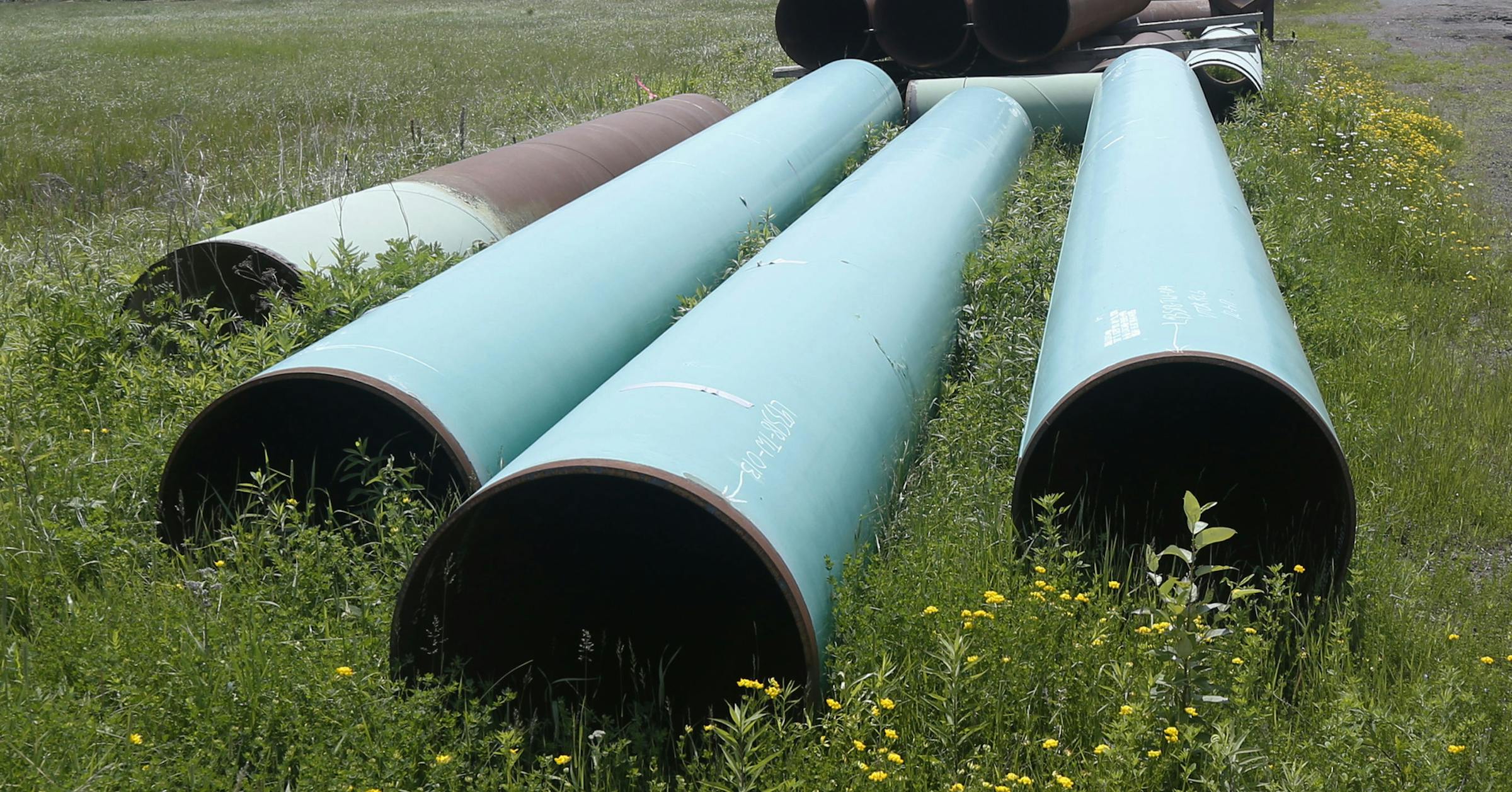
Enbridge will pay Minnesota $2.8 million to settle for breaching an aquifer during construction of the $3 billion, 340-mile Line 3 pipeline, including $300,000 in civil penalties, $1.2 million for DNR-selected natural resource projects, $1.2 million for mitigation, and an additional $100,000 for ongoing monitoring. The Moose Lake aquifer breach (discovered in 2022 and one of four ruptures tied to the project) brings the company’s total commitments related to aquifer breaches to over $13 million, posing regulatory, remediation and reputational costs but limited direct financial strain relative to Enbridge’s overall scale.
Market structure: The $2.8M settlement (part of >$13M tied to Line 3) is immaterial versus the $3B project cost but creates asymmetric winners/losers — Enbridge (ENB) faces reputational and permitting friction while environmental monitoring contractors and legal/consulting firms capturing remediation work win near-term revenue (weeks–months). Midstream peers may see marginally higher permitting/operational costs priced into returns, tightening risk premia for new pipeline projects and modestly lifting implied vol in ENB options.
Risk assessment: Tail risks include a larger state or federal injunction, multi‑jurisdictional suits, or discovery of additional breaches that could force temporary shutdowns — low probability but high impact (enterprise value downside >5–10% if operations curtailed). Immediate window (days): sentiment leg down on headlines; short term (1–3 months): monitoring reports and potential additional fines; long term (3–24 months): regulatory tightening and higher capex/schedule risk for new pipelines. Hidden dependencies include Indigenous litigation, insurance claim outcomes, and correlated scrutiny of other Canadian crude takeaways.
Trade implications: Tactical short/hedge on ENB delta exposure is warranted but size should be small (1–3% of portfolio) given settlement scale; use defined‑risk options (6‑month 5–10% OTM put spreads) to cap capital. Relative trades: long integrated oil majors (e.g., XOM) vs short ENB to capture potential widening of midstream regulatory premia while oil price supports producers; rotate 2–3% from midstream into utilities/renewables (e.g., NEE) over 3–12 months.
Contrarian angles: Consensus will either ignore the fine as immaterial or overreact to incremental headlines; both misprice risk — if ENB stock drops >5% on additional headlines, that weakness likely overdone given $13M total vs multibillion enterprise value and is a tactical buy on valuation with stop discipline. Historical parallels (Dakota Access, Keystone) show episodic headline pain but long recoveries once permits stabilize; longer‑term winners are operators that demonstrate demonstrable ESG remediation programs.
AI-powered research, real-time alerts, and portfolio analytics for institutional investors.
Request DemoOverall Sentiment
moderately negative
Sentiment Score
-0.35
Ticker Sentiment
