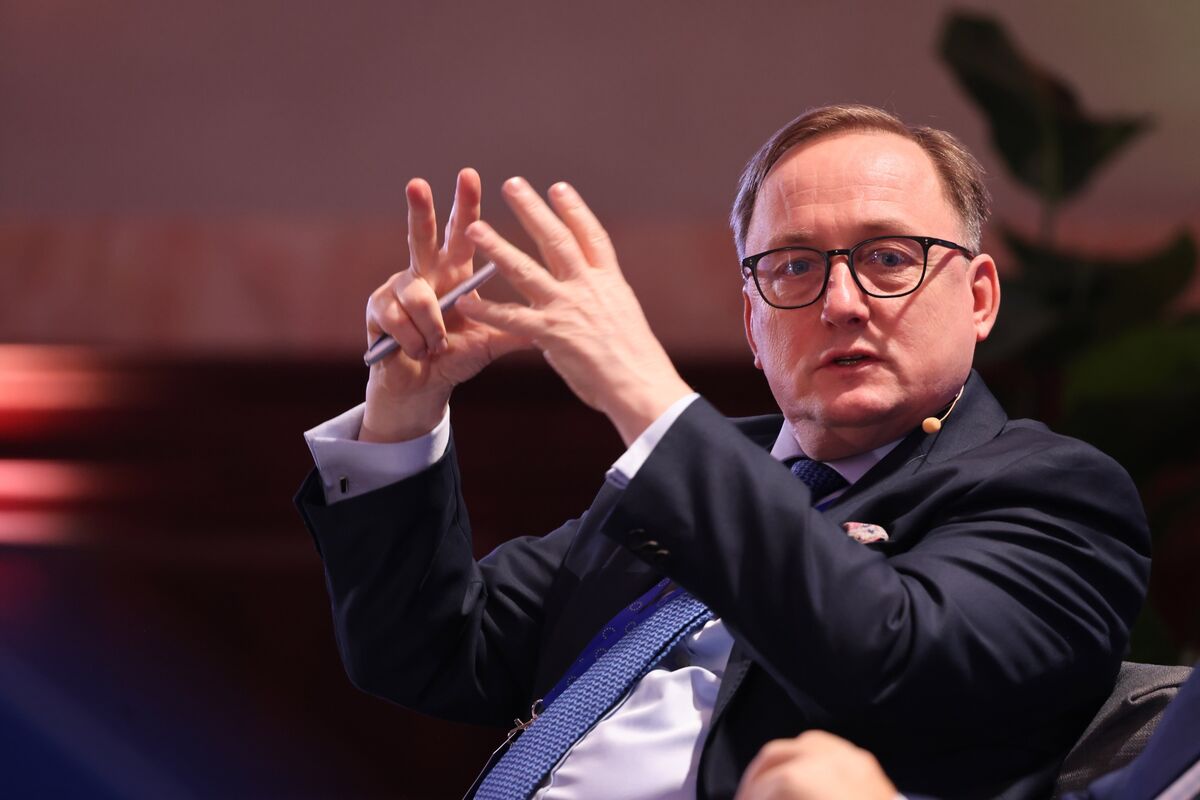
ECB Governing Council member Martins Kazaks indicated little justification for further interest rate cuts unless the Eurozone economy experiences a significant downturn, citing current 2% inflation and performance aligning with ECB forecasts. This statement suggests a September rate cut, widely anticipated by economists, is unlikely, signaling a potentially more hawkish stance from the central bank.
ECB Governing Council member Martins Kazaks has introduced a hawkish tone into the monetary policy discussion, directly challenging market expectations for continued interest rate cuts. Citing inflation at the central bank's 2% target and a Eurozone economy performing in line with official forecasts, Kazaks stated there is little justification for further easing, such as the September cut previously anticipated by a majority of economists. This commentary effectively raises the threshold for subsequent policy action, suggesting that any additional cuts would be contingent on a significant, unforeseen negative shock to the economy rather than a pre-determined easing cycle. The statement signals a potential pause in monetary easing, introducing uncertainty into the rate trajectory and implying that policy will remain data-dependent and reactive to substantial shifts in the economic outlook.
AI-powered research, real-time alerts, and portfolio analytics for institutional investors.
Request DemoOverall Sentiment
moderately negative
Sentiment Score
-0.40
