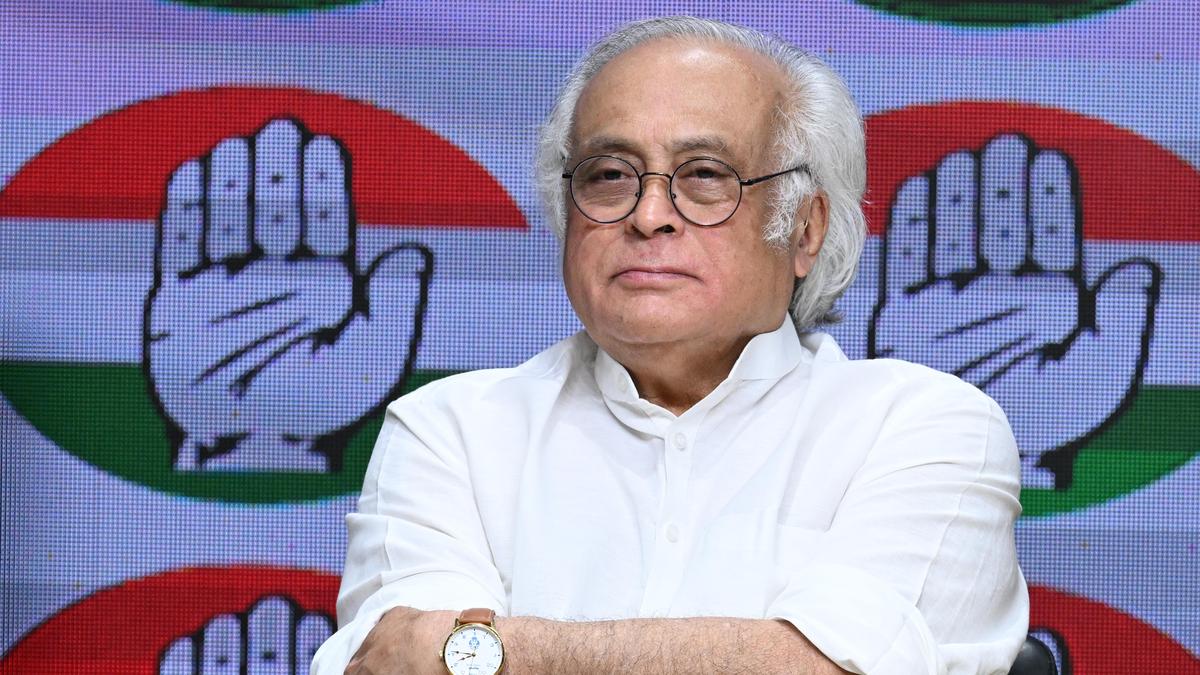
Congress marked the first anniversary of Operation Sindoor by criticizing the Modi government’s handling of the conflict and its diplomatic aftermath, arguing Pakistan was not internationally isolated despite India’s outreach. The article revisits the May 7-10, 2025 military escalation after the Pahalgam terror attack, including ceasefire timing, reported initial Indian losses, and alleged Chinese support to Pakistan. This is primarily a political and security commentary piece with limited direct market relevance.
The market implication is not the military history itself, but the deterioration in India’s crisis-management premium. When a conflict is perceived as externally mediated rather than domestically controlled, it raises the probability of recurring brinkmanship, which is incrementally negative for Indian risk assets because it keeps a geopolitical discount embedded in valuations longer than investors expect. That matters most for sectors with foreign capital dependence — financials, industrials, and rate-sensitive infrastructure — where any rise in global risk aversion can widen India’s cost of capital even if direct earnings impact is limited.
A second-order effect is on defense and domestic security spending quality, not just quantity. The political incentive after an “incomplete win” is usually to fund higher-readiness systems, ISR, drones, EW, and indigenous munitions rather than large legacy platforms, which can shift procurement winners inside the Indian defense complex. If the narrative hardens around China’s support to Pakistan, that also strengthens the case for faster border infrastructure, stockpiling, and telecom/network redundancy in the Himalayas — a multi-year capex tailwind for selected Indian industrial and engineering names.
The contrarian read is that the criticism itself may be bullish for policy response. Public pressure around strategic ambiguity often forces governments to overcorrect with reforms, committee reviews, and procurement acceleration over the next 3–9 months, which can create a better entry point in domestic defense and cybersecurity than waiting for an actual budget headline. The bigger tail risk is escalation in the 1–6 week window around anniversary rhetoric: even without kinetic conflict, diplomatic friction with the U.S. or China can hit sentiment, especially if trade or tech restrictions get rhetorically linked to security concerns.
AI-powered research, real-time alerts, and portfolio analytics for institutional investors.
Request DemoOverall Sentiment
neutral
Sentiment Score
-0.05
