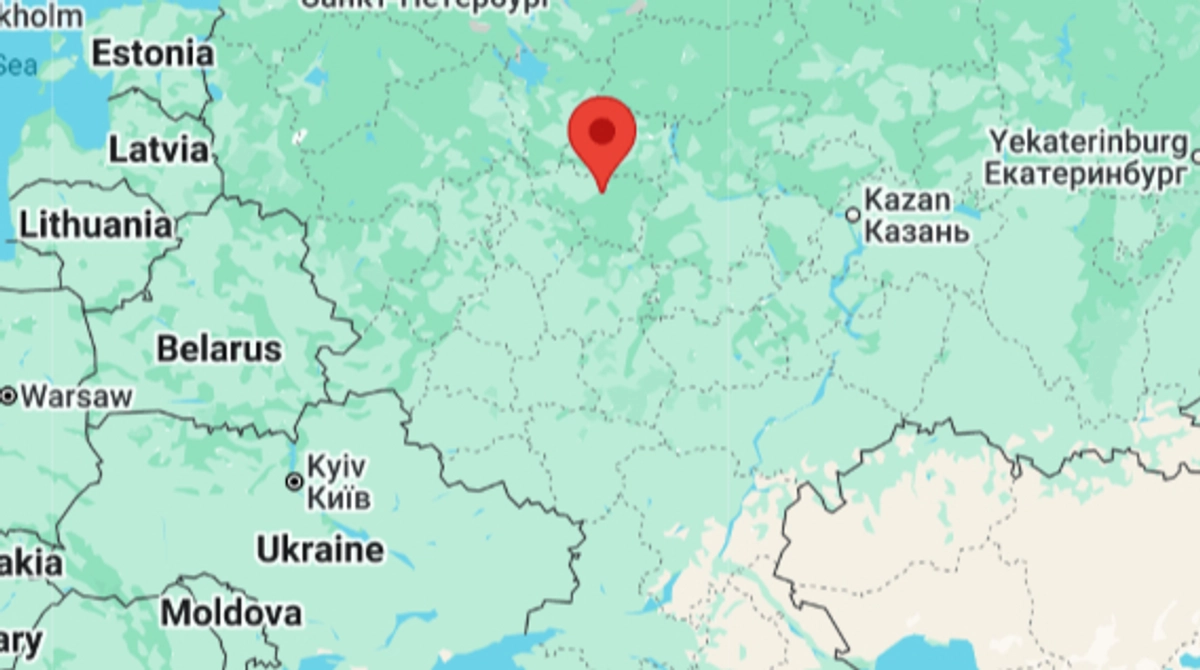
Ukraine said drone operators struck the Vtorovo oil pipeline control station in Russia's Vladimir Oblast, causing a large fire that covered 800 sq m. The facility reportedly supplies fuel to major oil depots around Moscow and to Sheremetyevo, Domodedovo and Vnukovo airports, highlighting continued disruption risk to regional energy and transport infrastructure. The attack follows other recent strikes on Russian oil and military facilities.
This is less a commodity supply shock than a logistics-friction event, and that distinction matters: Moscow’s refinery system can often re-route crude, but pipeline-control disruption creates immediate uncertainty around product distribution, aviation fuel continuity, and inland inventory allocation. The first-order market read is modestly higher regional energy premia, but the second-order effect is tighter spare capacity in fuels around the capital corridor, which tends to show up as larger crack spreads and greater volatility in diesel/jet differentials before it shows up in headline Brent.
The bigger risk is operational contagion: even a temporary outage forces precautionary rerouting, inventory hoarding, and higher security costs across adjacent infrastructure. That raises the probability of repeated strikes as a campaign, not a one-off, which is what matters for pricing—traders should think in terms of a 2-8 week escalation window rather than a single-day event. Transportation-sensitive assets in Europe and Eurasia are the cleanest indirect losers because the market tends to underappreciate how quickly fuel logistics disruptions translate into schedule changes, rerouting, and margin pressure.
The contrarian angle is that the immediate headline may be overread if crude balances remain unchanged and the damaged asset is quickly bypassed. If Moscow’s fuel distribution proves resilient, the trade fades into a localized premium rather than a sustained macro impulse. What’s underpriced is the tail risk of repeated strikes on chokepoints: that would support diesel/jet spreads, defense names, and infrastructure hardening budgets even if broad oil benchmarks barely move.
AI-powered research, real-time alerts, and portfolio analytics for institutional investors.
Overall Sentiment
moderately negative
Sentiment Score
-0.35
