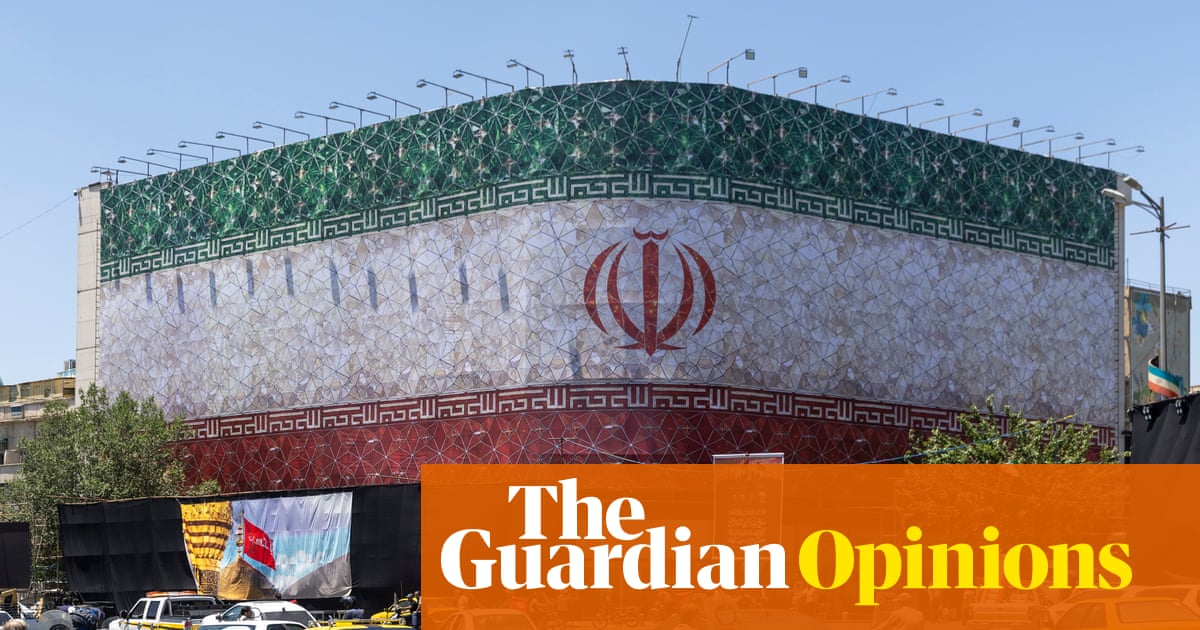
The article says Trump agreed to a 60-day deal reopening the Strait of Hormuz after Iran had effectively closed it, restoring passage for more than 20% of global oil flows. The ceasefire extension leaves key issues unresolved, including Iran’s uranium stockpile, nuclear enrichment limits, and potential tolls or fees on shipping, keeping energy and supply-chain risk elevated. The geopolitical de-escalation is only temporary, and any renewed disruption could quickly hit oil, LNG, fertilizer, and broader commodity markets.
The market implication is less about a one-time reopening of flows and more about a structural repricing of geopolitical risk premia across energy, shipping, fertilizers, and regional insurance. Once a state demonstrates it can selectively tax or obstruct a chokepoint without triggering regime collapse, the relevant variable becomes not barrels lost today but the probability distribution of recurring disruptions over the next 6-24 months. That argues for a persistent floor under freight, cargo insurance, and prompt-month energy volatility even if headline supply normalizes.
The second-order effect is that importers will likely re-optimize inventories and routing rather than wait for the next escalation. That tends to pull demand forward into storage, tighten near-dated tanker availability, and widen spreads between prompt and deferred crude products if traders price in another interruption window. Fertilizer and agricultural logistics are the underappreciated spillover: any sustained premium on ammonia, potash, or urea can feed into food inflation with a lag, increasing pressure on EM central banks and politically sensitive consumer sectors.
The regime-change failure also raises the odds of a longer negotiation arc, which is usually bearish for realized volatility but bullish for optionality. The key asymmetry is that the market may underprice tail risk because the immediate shock faded, while policymakers still have incentives to use the strait as leverage. If talks stall or enforcement of maritime fees becomes institutionalized, the move from temporary disruption to quasi-permanent toll regime would be more damaging than the original blockade because it creates a recurring tax on trade rather than a binary event.
Consensus may be too focused on 'peace premium' compression. The more likely medium-term outcome is not normalization but a managed instability regime: lower probability of full war, higher probability of episodic escalation and rolling sanctions waivers. That makes the current setup better suited to relative-value and convexity trades than outright directional energy bets.
AI-powered research, real-time alerts, and portfolio analytics for institutional investors.
Request DemoOverall Sentiment
moderately negative
Sentiment Score
-0.35
