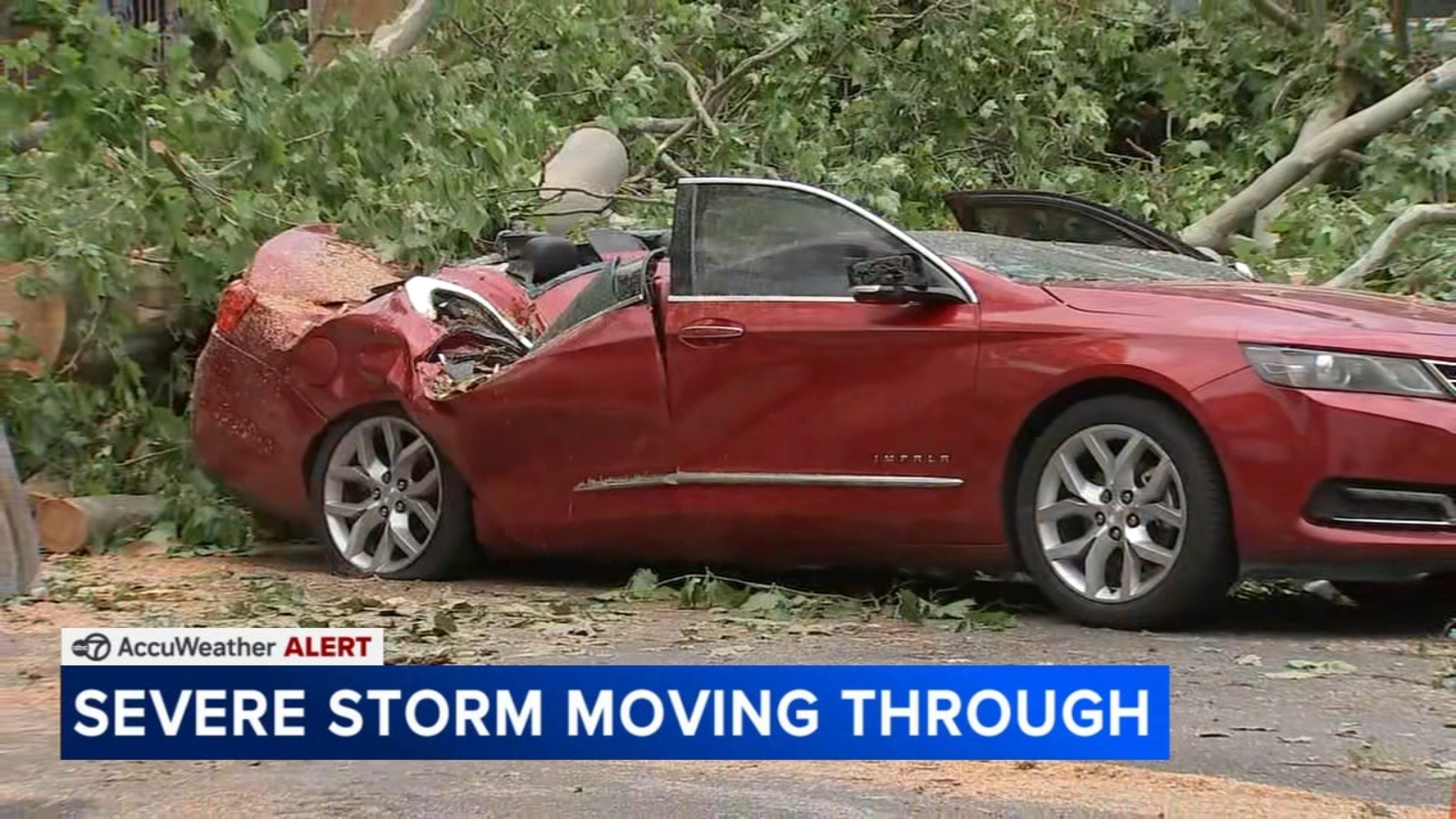
Severe storms caused widespread disruption across the Chicago area, leaving more than 180,000 ComEd customers without power and prompting the temporary closure and case continuances at the Markham Courthouse. Damage included gas-main repairs affecting about 250 customers, CTA Yellow Line service interruptions, flooded viaducts, and extensive tree-related destruction in McKinley Park, Stickney, Dolton and Palos Heights. ComEd said the most impacted areas stretch from Chicago to Crestwood and Alsip to Joliet, and some outages may last until Saturday night.
This is a classic short-duration shock with asymmetric spillovers rather than a broad macro event. The first-order hit is obvious: utilities and municipal services face a temporary cash burn, but the real tradeable impact is on local business continuity, logistics friction, and insurance claims inflation. The concentrated restoration burden suggests a multi-day drag on retail foot traffic, court throughput, and commuter reliability, which tends to hit the weakest balance-sheet operators first rather than the large incumbents.
The second-order winner is anyone selling restoration capacity: emergency contractors, tree-removal fleets, temporary power, roofing, and claims-adjusting services. More importantly, repeated storm damage reinforces a higher-for-longer spending cycle on grid hardening and undergrounding, which can support midstream infrastructure, electrical equipment, and specialty construction names over the next 12-24 months. On the loser side, local real estate owners with older roofs, basements, and underinsured properties face a rising probability of uncovered losses and delayed occupancy, which can pressure submarket rents and small-cap property cash flows.
The market may be underpricing the legal/operational tail risk: court disruptions and public-facility outages are exactly the kind of event that creates administrative backlog and settlement delays, which can bleed into municipal budgets and small law-firm receivables. Near term, the key catalyst is whether restoration slips beyond the stated weekend horizon; if so, outage duration compounds claims severity nonlinearly because spoiled inventory, lost workdays, and temporary lodging costs start to dominate repair costs. Conversely, a rapid restoration would cap the equity impact to a localized weather event with limited follow-through.
Contrarian angle: the headline risk feels bigger than the equity beta impact, so chasing broad short exposure likely has poor risk/reward. The cleaner expression is long the picks-and-shovels beneficiaries versus short local casualty/repair losers, because the storm itself is not the edge — the re-underwriting of resilience spending is.
AI-powered research, real-time alerts, and portfolio analytics for institutional investors.
Request DemoOverall Sentiment
strongly negative
Sentiment Score
-0.72
