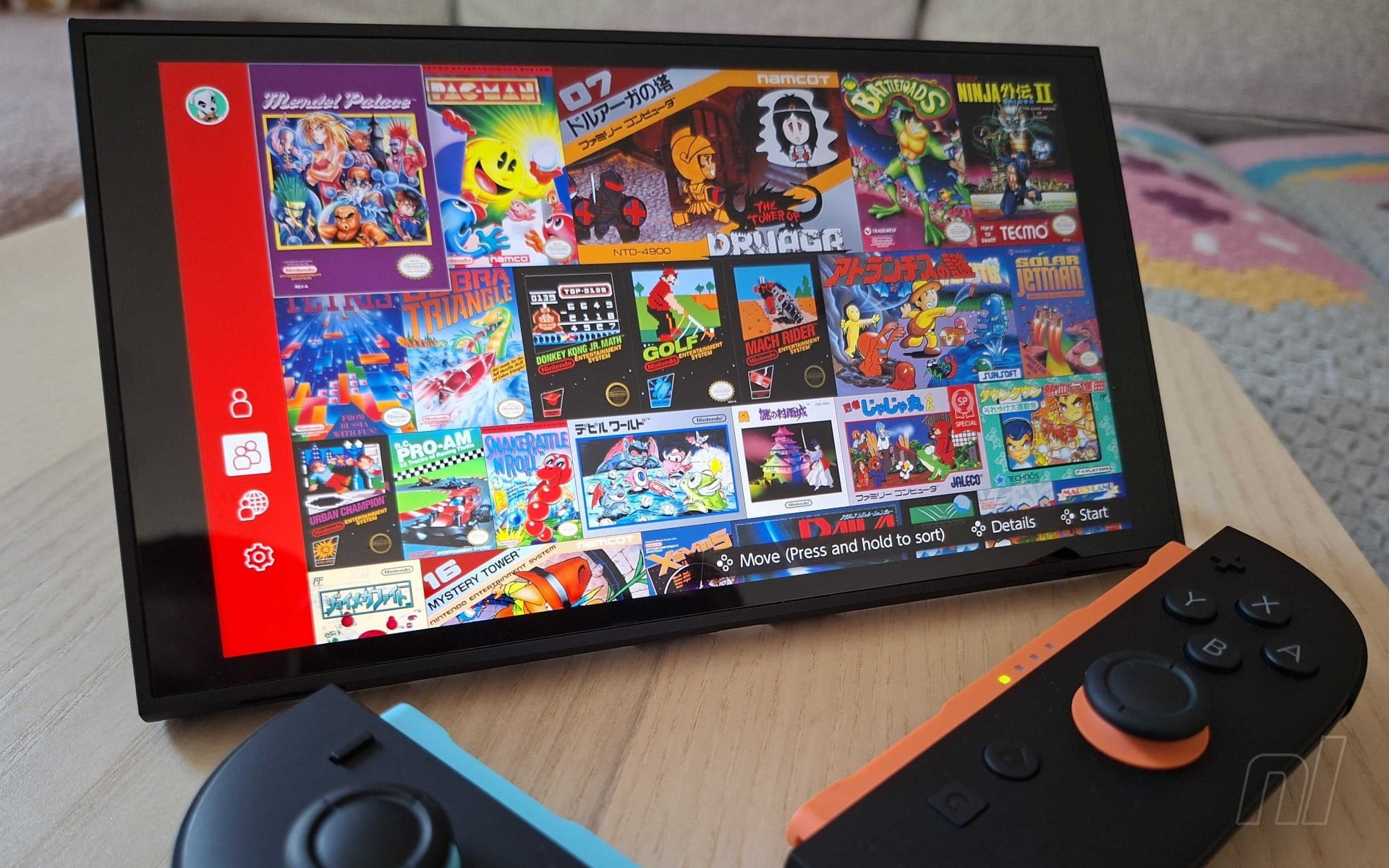
Nintendo added three NES-era titles — Pac-Man (1988), Mendel Palace (1989/1990), and The Tower of Druaga (1984) — to its Switch Online 'Nintendo Classics' subscription, with the same release in Japan. This is a routine content refresh for the NES library that may modestly support subscriber engagement but is unlikely to materially affect Nintendo’s revenue or share price.
Incremental additions to a legacy-catalog subscription are a high-ROI lever for gaming incumbents because content cost is largely sunk and discoverability drives outsized marginal engagement. Model a modest 0.5–1.5 percentage-point retention lift on an existing subscriber base and you get a durable revenue tail: small percentage changes map to high-margin recurring dollars with near-zero incremental distribution cost.
Second-order value accrues to IP owners and licensors: placing vintage titles behind a subscription both monetizes back-catalog rights and re-primes franchises for downstream spend (merch, remasters, mobile or premium re-releases). This amplifies optionality in a way that’s not captured by headline unit sales — it increases the present value of dormant IP compared with one-off re-releases.
Competitive dynamics favor platform owners with deep libraries and simple billing friction; bundlers (console + sub + cloud) can extract higher ARPU if they maintain a steady drip of exclusive retro/nostalgia content. The largest reversal risk is a hardware-cycle reset or a competitor bundling unlimited third-party libraries at a loss to buy share — either could compress the premium consumers are willing to pay for a single-vendor subscription.
Operational catalysts to watch over 3–12 months: measurable changes in subscriber churn/ARPU after catalog drops, any shift to tiered pricing or family plans, and partnerships/licensing announcements unlocking larger back-catalog access. Legal/regulatory pressure around emulation/licensing is a low-probability tail risk but would be binary for retro-business economics if it gained traction over multiple jurisdictions.
AI-powered research, real-time alerts, and portfolio analytics for institutional investors.
Request DemoOverall Sentiment
neutral
Sentiment Score
0.00
