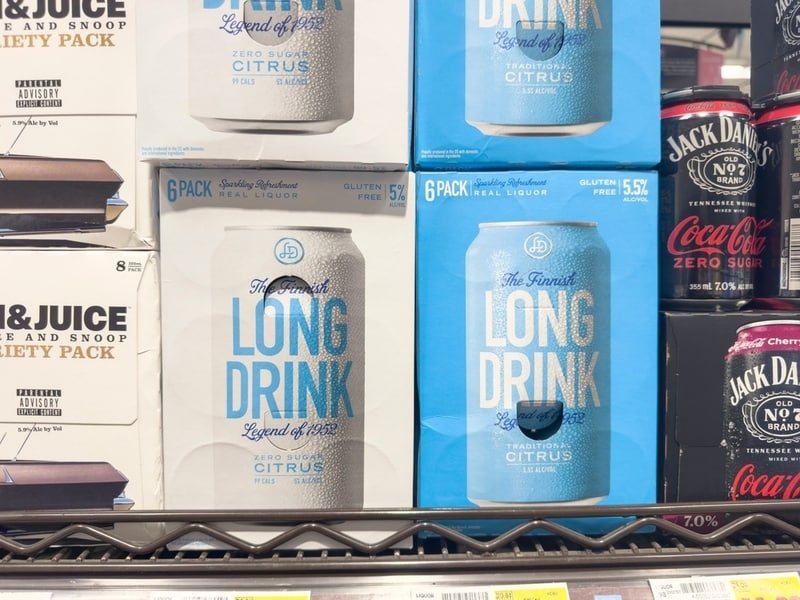
The Mark Anthony Group acquired The Finnish Long Drink to expand its North American RTD portfolio and accelerate entry into new markets. The deal gives the company full ownership of a culturally rooted brand it previously distributed in Canada, alongside celebrity-backed awareness that may support growth. The transaction is strategically positive, though the article provides no financial terms or immediate earnings impact.
This is less about one brand than about the economics of RTD consolidation: the advantaged player is whoever can convert distribution reach and brand equity into faster shelf turnover. A full ownership change should improve capital allocation across SKU rationalization, marketing, and cross-border logistics, which matters more in RTD than in most beverage subsegments because velocity decay is quick and retailer resets are punitive. The second-order effect is pressure on smaller heritage brands that rely on fragmented distribution; they will face higher slotting costs and weaker bargaining power as national portfolios get bundled.
The strategic signal is that culturally anchored brands now function as quasi-acquisition targets for incumbents that need instant authenticity. That tends to compress the time-to-scale from years to quarters, but it also raises the probability of overpaying for “story” rather than repeat purchase rate. In the near term, the main beneficiaries are the acquirer’s distribution partners, packaging suppliers, and agencies tied to launch spend; the losers are independent RTD startups that must now compete against a better-capitalized portfolio with a built-in fan base and celebrity amplification.
The biggest risk is that RTD demand normalizes faster than the category is being consolidated, leaving incumbents with expensive acquired growth and no margin expansion. Watch for evidence over the next 1–3 quarters in scan data: if velocity lifts but repeat purchase and household penetration do not, this becomes a de-risking event rather than a share gain story. The contrarian read is that celebrity and heritage are increasingly table stakes, not moats; the real moat is retail execution and flavor cadence, so the market may be overvaluing brand narrative relative to sell-through discipline.
AI-powered research, real-time alerts, and portfolio analytics for institutional investors.
Request TrialOverall Sentiment
mildly positive
Sentiment Score
0.35
