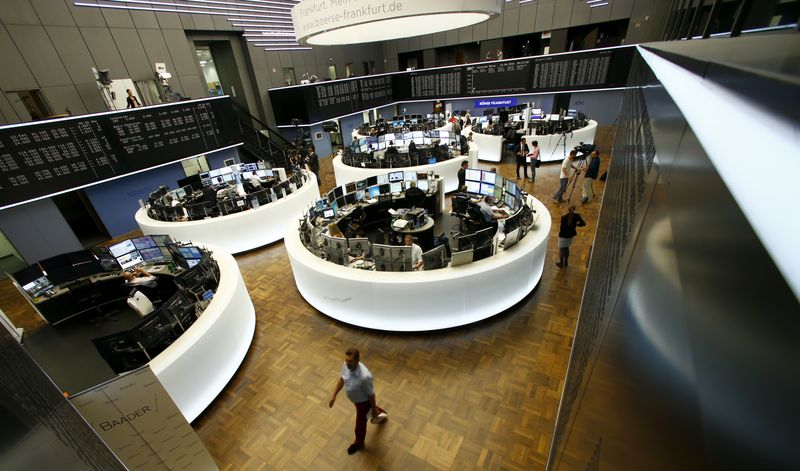
Brent crude rose 2.6% to $96.72 a barrel as fresh U.S. strikes in Iran and renewed missile/drone activity in the Gulf escalated geopolitical risk. European equities opened lower, with the Stoxx 600 down 0.4%, Germany's Dax off 0.5%, France's CAC 40 down 0.4%, and the FTSE 100 lower by 0.7%. The article points to a broader risk-off move as hostilities threaten a fragile ceasefire and ongoing peace efforts.
This is a classic second-order shock where the first move is in discretionary risk, but the more durable transmission is through input-cost inflation and positioning unwinds. The immediate beneficiaries are upstream energy exposures, defense, and quality cyclicals with pricing power; the losers are highly levered speculative assets and anything reliant on cheap transportation or uninterrupted Gulf shipping. The market is still underpricing how quickly a Strait of Hormuz disruption would propagate into freight, refining, petrochemicals, and eventually food and industrial margins over the next 2-8 weeks.
The bigger risk is not the current price of oil, but the path dependency: once traders believe the conflict can spill into tanker insurance or transit risk, crude can gap higher faster than physical supply can respond. That creates a reflexive loop where higher oil tightens financial conditions, pressure builds on long-duration assets, and cross-asset de-risking forces additional liquidation in crowded risk trades. Bitcoin’s breakdown is a useful tell that investors are already treating this as a liquidity shock, not just a single-commodity event.
The consensus may be too anchored to the idea that this is still containable because Brent remains below $100. That threshold matters less than whether the market starts pricing a persistent geopolitical premium; even a $5-10/bbl risk add can materially re-rate energy equities and crush sectors with weak pass-through, especially airlines, chemicals, and transport. If diplomacy steadies within days, the move can reverse sharply; if attacks continue for another 1-2 weeks, the market will likely begin discounting a broader sanctions/shipping regime that is much harder to unwind.
AI-powered research, real-time alerts, and portfolio analytics for institutional investors.
Overall Sentiment
strongly negative
Sentiment Score
-0.62
