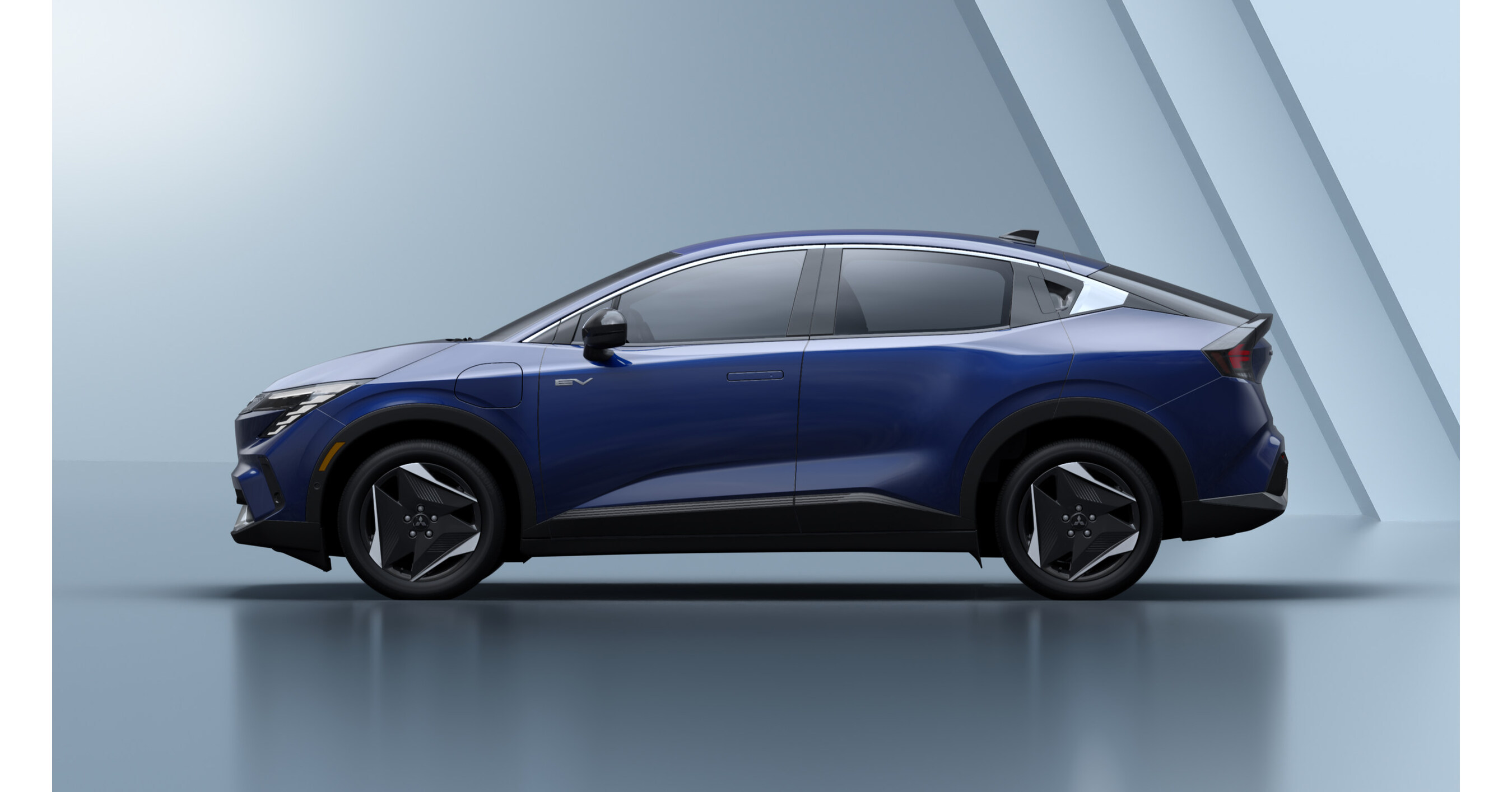
Mitsubishi Motors North America reported Q2 2026 sales of 23,127 units, up from 22,116 a year ago (+4.6% YoY), with SUV sales up nearly 24% for the quarter. Outlander led at 9,503 units (+21.5% YoY), while Outlander Sport rose to 8,432 (+69.7% in Q2; +73% YTD) and Eclipse Cross increased to 11,260 (+36.2% YTD). The company attributed strength to value-focused new trims and points to upcoming launches including the refreshed Outlander Plug-in Hybrid (2027) and the all-new Eclipse Sportback EV, its first full BEV since the i-MiEV.
This reads as a share-gain story in the value end of the market, not a clean earnings inflection. The economic mechanism is simple: in a stressed affordability environment, brands that can package warranty, features, and low sticker prices can keep units moving, but they often do it by sacrificing mix and margin. That makes the first-order winner the dealer/franchise network and, potentially, the adjacent manufacturing footprint tied to future product launches; the first-order loser is the pool of used-car and subprime-finance names competing for the same sub-$30k buyer.
The near-term catalyst window is mostly 1-3 months, when investors can test whether this is real demand or incentive-led sell-through. If the higher-volume trims are being supported by discounting, the market may be overestimating operating leverage; more units can still mean worse gross profit per vehicle. Over 6-18 months, the meaningful question is whether the new product cadence and EV partnership can expand the addressable market without diluting the brand into a low-margin niche.
Contrarian view: the consensus may be too quick to call this a turnaround. Defensive, affordable positioning tends to look strongest when consumers are squeezed, but those gains are often fragile once rivals reprice or inventory normalizes. The EV and pickup collaboration are option value, not earnings today; if launch timing slips or the new models fail to lift transaction prices, the market should fade the narrative.
The cleanest second-order loser in this setup is subprime used-car retail/financing, where a warrantied new vehicle at a similar monthly payment can pull marginal buyers away. That makes this more interesting as a relative-value expression than as a standalone long.
AI-powered research, real-time alerts, and portfolio analytics for institutional investors.
Request DemoOverall Sentiment
mildly positive
Sentiment Score
0.25
Ticker Sentiment
