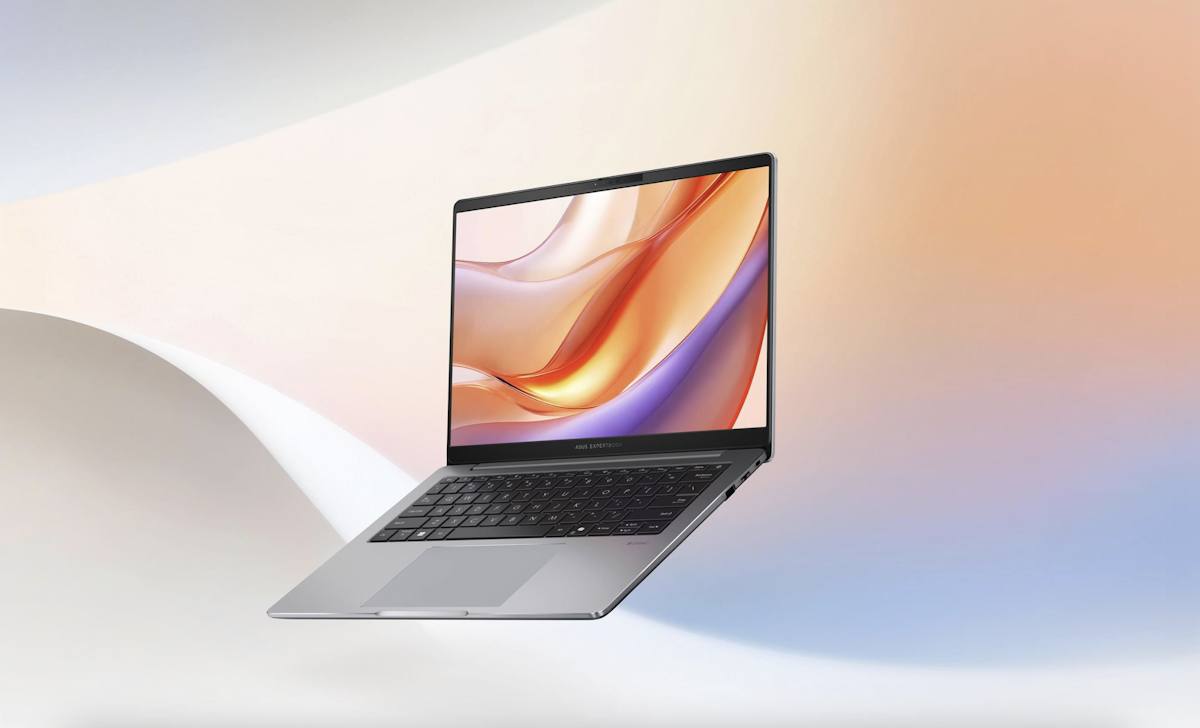
ASUS has introduced the ExpertBook PM3, a sleek, productivity-focused laptop marketed around integrated AI capabilities, all-day battery performance and a design aimed at everyday professional use. The article is promotional and provides no financial metrics, pricing or launch schedule; as such the announcement signals product-level innovation for ASUS but offers limited near-term implications for revenues or market share without further commercial details.
Market structure: AI-enabled laptops (like ASUS ExpertBook PM3) shift value toward OEMs that capture premium ASPs and the semiconductor and memory suppliers that embed NPUs—winners include ASUSTeK (ASUUY/2357.TW), QCOM, AMD, NVDA and MU; losers are low‑margin retail channels and incumbents that lack edge‑AI silicon. Expect OEM ASP uplift of ~5–10% and component content per unit rising 10–25% over 12–24 months, concentrating margin upside in component suppliers and branded OEMs.
Risk assessment: Tail risks include export controls/Taiwan‑China escalation or a silicon shortage that could reduce sales by 20–40% in affected channels; regulatory scrutiny of on‑device AI data/privacy could force feature rollbacks within 3–12 months. Near term (days–weeks) volatility will track reviews/spec leaks; adoption and margin realization are 3–18 month plays dependent on supply chain and cloud/model licensing deals (MSFT/GOOGL/OpenAI relationships).
Trade implications: Direct plays favor semis and OEMs—long NVDA (broad AI demand), QCOM (edge SoCs), MU (memory cyclical uplift) and selective OEMs (ASUUY/HPQ/DELL) on 3–12 month horizons. Pair trades: long AMD vs short INTC for mobile/edge AI share gains; options: buy NVDA 6‑12 month calls or call spreads to express asymmetric upside while hedging 12–15% downside; rotate from consumer retail (BBY) into semis.
Contrarian angles: Consensus assumes feature‑led upgrade cycle; risk is feature parity that pushes value to software/cloud providers (MSFT/NVDA) not OEMs—OEM margins could disappoint if software licensing captures most surplus. Historical parallel: early smartphone component winners ceded margin to app/cloud ecosystems; watch channel sell‑through and ASPs for early signs of mispricing within 60–120 days.
AI-powered research, real-time alerts, and portfolio analytics for institutional investors.
Request DemoOverall Sentiment
mildly positive
Sentiment Score
0.30
