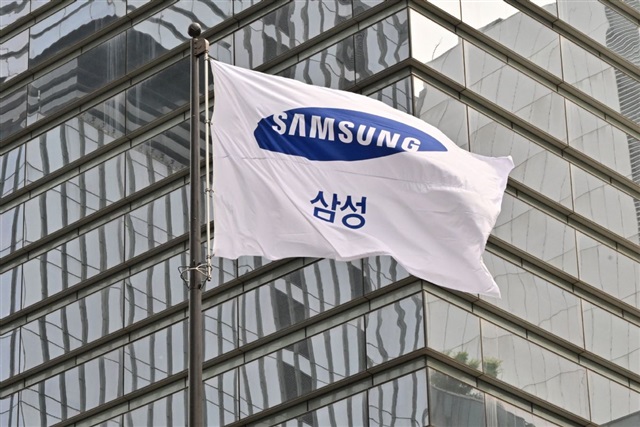
Samsung Electronics' sixth-generation high-bandwidth memory, HBM4, reportedly posted the fastest operating speeds in a Broadcom technology test, strengthening the company's position in the race to supply memory for next-generation high-performance systems. If corroborated in broader interoperability and production trials, the result could accelerate vendor adoption of HBM4 and support upside to Samsung's memory-segment revenue and competitive positioning in the high-bandwidth memory market.
Market structure: Samsung (SSNLF / 005930.KS) is the clear near-term beneficiary — a validated HBM4 run by Broadcom raises Samsung's pricing power and share in AI-datacenter memory over the next 12–24 months. Broadcom (AVGO) and GPU/data‑center players (NVDA) also benefit indirectly via better memory performance, while SK Hynix (000660.KS) and Micron (MU) face share and margin pressure if they fail to match yields; expect HBM ASPs to move +10–30% in a constrained 6–12 month window before new capacity depresses prices. FX/bonds: a stronger KRW (≈+2–4% on positive flows) and modest widening of high‑yield spreads for smaller memory pure‑plays are plausible; options vol for SSNLF/AVGO/NVDA should pick up around key design‑win announcements. Risk assessment: Tail risks include new US/China export controls (low‑to‑medium probability) that could remove ~15–30% of TAM for HBM4 customers, and technical yield shortfalls that push commercialization out 3–9 months. Immediate (days) risk is headline-driven volatility; short term (weeks–months) hinges on Broadcom and GPU vendor design wins and 3–6 month qualification cycles; long term (quarters–years) depends on capex cycles and Samsung’s fab ramp. Hidden dependencies: Broadcom’s test may be vendor‑specific IP — market pricing assumes broad OEM adoption which is a binary catalyst. Trade implications: Implement concentrated, staged exposure: size long SSNLF positions modestly (2–3% portfolio) and prefer relative plays (long SSNLF vs short 000660.KS) to isolate memory share gains; add convexity with 3–6 month call spreads on NVDA or SSNLF sized to 0.5–1% to leverage potential design‑win headlines. Avoid outright large long positions in smaller DRAM pure‑plays; reduce MU exposure by 1–2% or hedge with short futures if Samsung signals volume ramp. Entry: initiate within 2 weeks on confirmation of Broadcom purchase orders or Samsung capacity guide, exit or trim on +20–30% move or negative qualification news within 90 days. Contrarian angles: Consensus assumes rapid broad adoption — that may be underdone risk: HBM2 cycles showed ASP collapses >30% after capacity ramps, so upside could be transitory if Samsung over‑invests. The market may be underpricing the procurement bias of hyperscalers against single‑supplier concentration (a 10–15% premium could evaporate). Strategy: prefer staged buys and buy on 10–15% pullbacks, and watch for antitrust or long‑term contractual language limiting supplier lock‑in that would cap Samsung’s pricing power.
AI-powered research, real-time alerts, and portfolio analytics for institutional investors.
Request DemoOverall Sentiment
mildly positive
Sentiment Score
0.35
Ticker Sentiment
