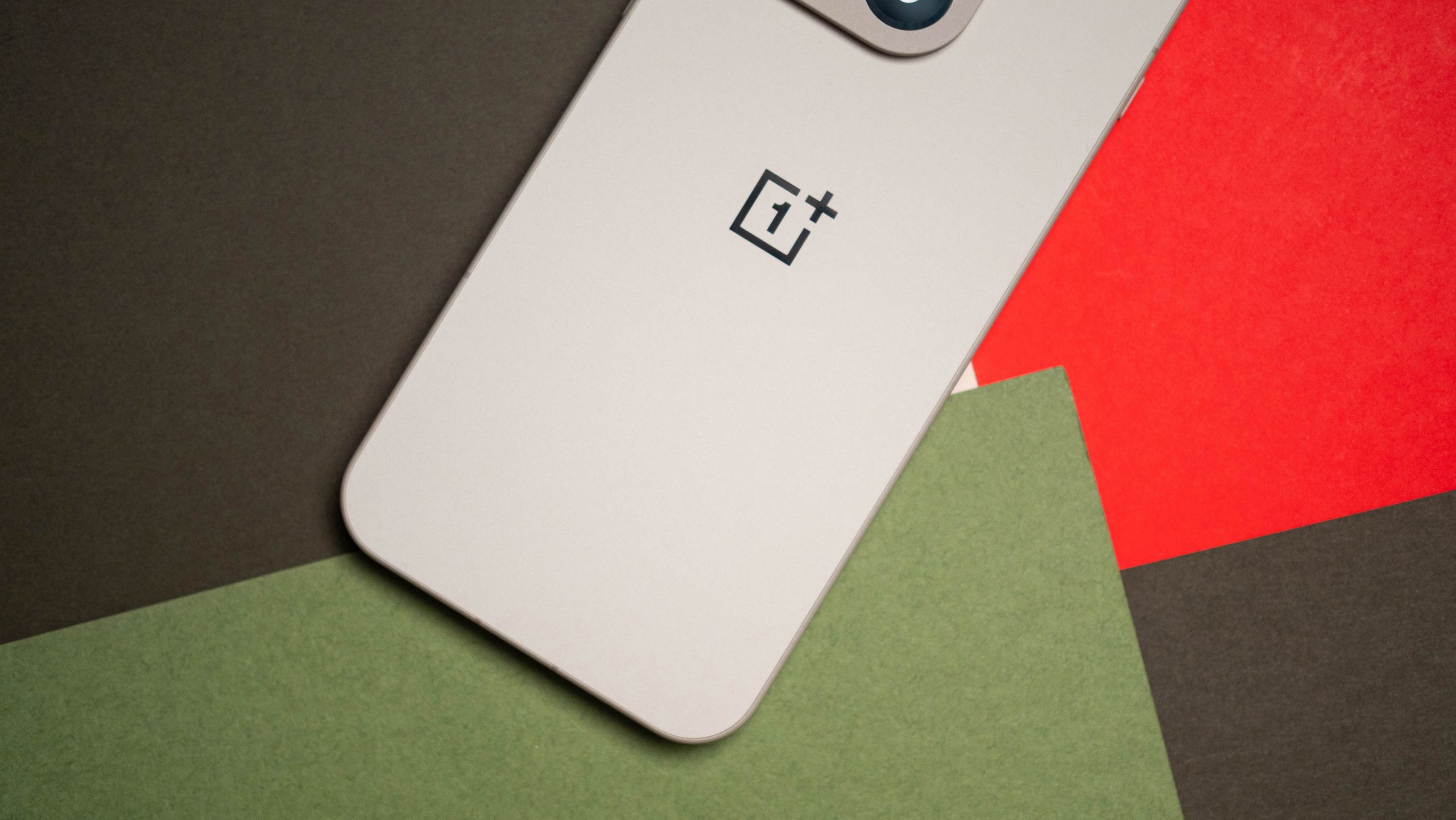
OnePlus is reportedly developing a new smartphone codenamed 'Volkswagen' that would feature an unusually large 9,000 mAh battery, a sub-6-inch OLED panel with up to 165Hz refresh, dual rear cameras, Qualcomm Snapdragon 8s Gen 4 silicon and up to 80W wired charging; the leak suggests a potential Q1 2026 launch. If accurate, the device signals a strategic push by OnePlus toward battery-led product differentiation that could modestly pressure competitors on battery capacity, but the news is based on an unverified leak and is unlikely to have material near-term financial impact absent confirmation and broader commercial metrics.
Market structure: A OnePlus phone with a 9,000mAh cell would primarily benefit component suppliers — cell makers (Samsung SDI, LGES, CATL), charging/PMIC vendors (TXN), and Qualcomm (QCOM) if the Snapdragon 8s Gen 4 remains the SoC — by shifting gross margins toward module/cell suppliers rather than OEMs. Downstream OEMs with premium, thin-device positioning (AAPL, 005930.KS Samsung) could face pricing pressure or forced design trade-offs (weight vs. battery) if consumers prize endurance over thinness; expect limited immediate share shifts but selective margin pressure in midrange segments over 6–18 months.
Risk assessment: Tail risks include battery safety/recall events that could create outsized supplier liability and regulatory scrutiny (product-level recalls within 3–9 months post-launch) and patent/thermal-management bottlenecks that delay production. Immediate market impact is low (days); watch for supplier purchase-order (PO) growth in 1–6 months and calendar-year 2026 production ramps; a critical hidden dependency is cell form-factor and supply contracts — a single cell supplier win could meaningfully re-rate that supplier.
Trade implications: Tactical plays: modest long exposure to QCOM (1–2% portfolio) via 6–9 month call spreads to capture design-win optionality, and targeted long exposure to large battery-material names (ALB or 300750.SZ CATL-related converters) sized 1–3% to capture incremental material demand if adoption scales to >10M units. Consider pair trades: long Samsung SDI (or LGES) vs short a thin-premium OEM ETF if evidence of PO divergence appears; use position stops at 8–12%.
Contrarian angles: The market may underprice execution risk — scaling 9,000mAh safely is nontrivial and could fail commercially (weight/thermals), which would compress materials upside; conversely, if OnePlus nails safety and supply chain, shortlisted cell suppliers could see discrete P/O announcements that drive 10–25% moves. Historical parallels (midrange pushes to large batteries) show supplier squeezes are short-lived unless adopted across multiple OEMs; monitor real PO data and certification filings as true catalysts.
AI-powered research, real-time alerts, and portfolio analytics for institutional investors.
Request DemoOverall Sentiment
mildly positive
Sentiment Score
0.22
Ticker Sentiment
