
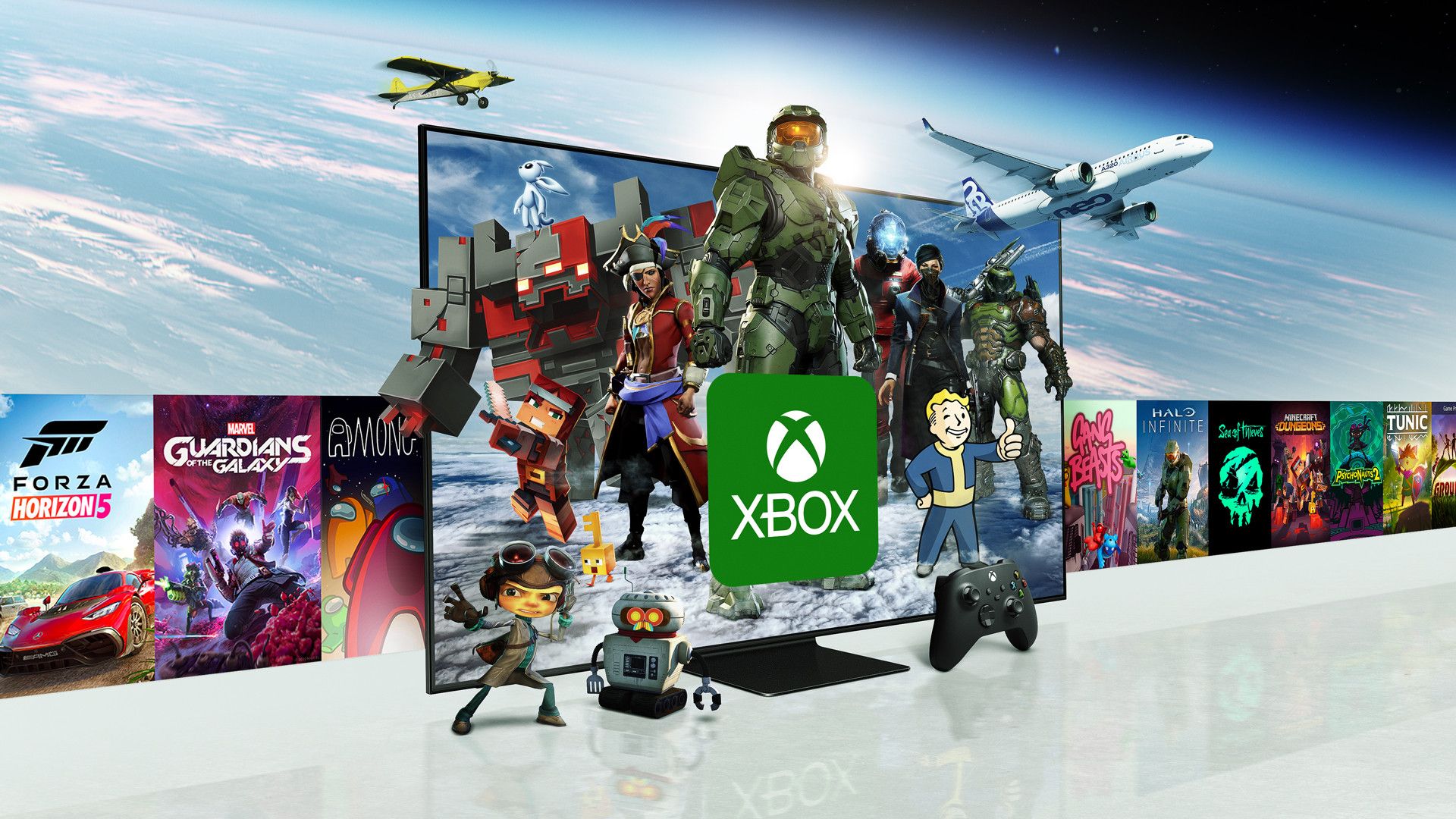
Microsoft’s Xbox Game Pass is facing renewed scrutiny after a leaked memo said the service is now "too expensive" and that the company plans to "evolve" it into a more flexible system. Former PlayStation executive Shawn Layden said Microsoft is "trying so hard to will this into health" and suggested a post mortem would benefit the industry. The Ultimate tier currently costs $29.99 per month, up from $19.99, and reports indicate Microsoft may combine subscription tiers, potentially increasing monthly costs for some users.
The market implication is less about one game subscription product and more about Microsoft implicitly admitting the unit economics are no longer defensible at the current price/feature mix. That shifts Game Pass from a growth narrative to a monetization optimization problem, which usually means slower subs growth, higher churn at the margin, and a greater need to segment users by willingness to pay. The near-term winner is not necessarily a direct gaming competitor, but standalone title economics: if the service becomes less compelling, attach rates for premium releases, DLC, and first-party content can improve.
Second-order, this is a signal that Microsoft may be willing to sacrifice engagement metrics to protect ARPU and content ROI. That matters because the ecosystem effect cuts both ways: developers get less audience certainty from the subscription pool, but Microsoft also avoids subsidizing low-value users, which can improve gaming gross margin over 2-4 quarters if pricing discipline sticks. The risk is that a weak redesign triggers a churn spike that is bigger than the uplift in per-user revenue, especially if combined tiers create hidden price increases for PC-heavy users.
For competitors, Sony and Nintendo benefit if consumer sentiment re-rates away from subscriptions and back toward ownership or platform-specific exclusives. The broader industry could also see capital shift toward publishers with stronger standalone release pipelines rather than content optimized for subscription retention. The contrarian angle is that the pain may be a necessary reset: if Microsoft uses this as a pruning event rather than a growth-at-any-cost experiment, the stock reaction may understate the longer-run margin repair opportunity.
Key timing: the next 1-2 quarters matter for churn and pricing elasticity; the next 12 months matter for whether Microsoft can repackage Game Pass without breaking perceived value. A bad redesign would pressure sentiment immediately, but a cleaner, more tiered structure could re-accelerate gaming profitability even with slower subscriber growth.
AI-powered research, real-time alerts, and portfolio analytics for institutional investors.
Request TrialOverall Sentiment
mildly negative
Sentiment Score
-0.20
Ticker Sentiment
