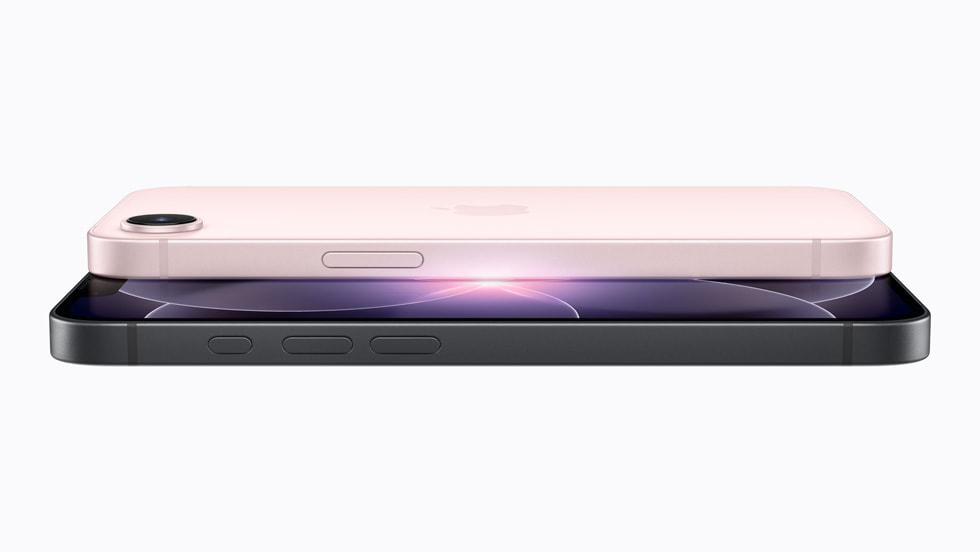
Apple is reportedly working with Samsung on a custom "micro-curved" OLED panel for a future iPhone, potentially tied to the company’s 20th anniversary model. The rumored design would be a subtle curved-edge display, unlike Samsung’s prior waterfall screens, and would represent a notable hardware refresh if accurate. The report is speculative and contains no confirmed product timing or financial impact.
If this rumor is real, the first-order winner is not the handset itself but the industrial design premium Apple can reassert after a multi-year period of incrementalism. A subtle curved edge would likely force tighter tolerances in display lamination, glass finishing, and chassis integration, which tends to expand supplier concentration around the highest-yield manufacturing nodes. That matters because the market will probably extrapolate a larger iPhone cycle than the physical change alone justifies; the real monetization lever is not unit growth, but mix uplift into Pro-tier ASPs and accessory attach.
The second-order effect is on Android premium OEMs: any Apple design refresh that feels meaningfully new can reset consumer expectations and compress the differentiation window for Samsung, Xiaomi, and others. If Apple is working with Samsung on the panel, Samsung Display could benefit even if Samsung Mobile does not, while downstream component vendors may see order pull-ins months before launch if prototype yields stabilize. The risk is execution: curved edges create higher cosmetic defect rates, potentially limiting initial volumes and making the launch more of a halo product than a true iPhone-wide redesign.
For timing, this is a 6-18 month catalyst at best, not a near-term earnings driver. The key reversal trigger is consumer indifference: if the design change is perceived as superficial, upgrade rates may not move enough to offset maturing install base dynamics. Another tail risk is that Apple’s supply chain qualification process delays commercialization, which would push any valuation support out beyond the next product cycle and create room for the stock to de-rate if expectations run ahead of evidence.
AI-powered research, real-time alerts, and portfolio analytics for institutional investors.
Overall Sentiment
neutral
Sentiment Score
0.15
Ticker Sentiment
