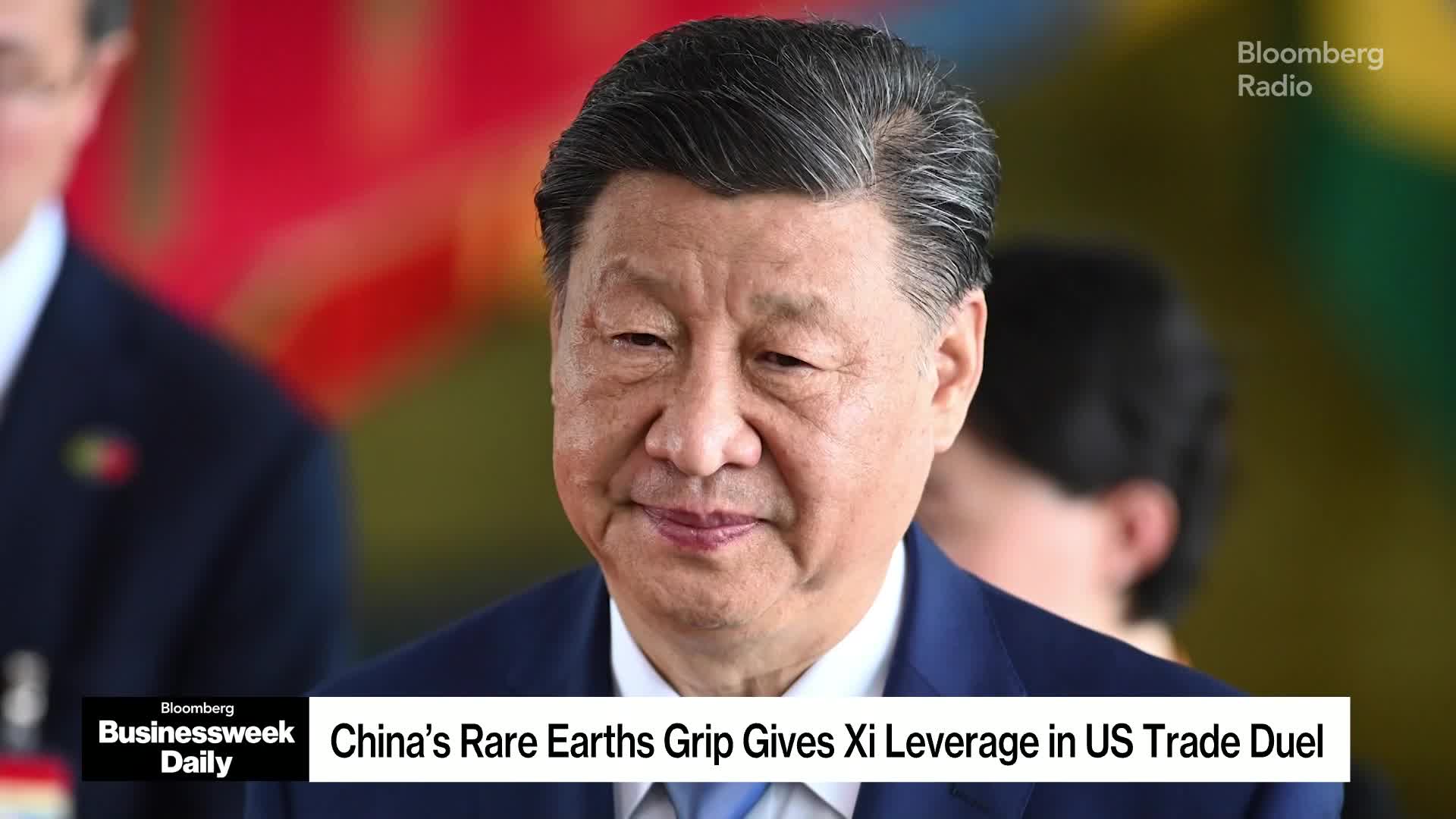
Former President Trump's allies are reportedly urging him to engage in a phone call with Chinese President Xi Jinping, signaling a potential shift in his approach to U.S.-China relations amid ongoing trade tensions. This push suggests a desire to explore diplomatic avenues and potentially de-escalate economic conflicts, though the success and implications of such a call remain uncertain given Trump's past rhetoric and policies.
Former President Trump's allies are reportedly advocating for a direct communication channel, specifically a phone call, with Chinese President Xi Jinping, signaling a potential strategic recalibration in addressing ongoing U.S.-China trade tensions. This diplomatic overture, if pursued, could represent an attempt to de-escalate economic conflicts that have characterized the relationship, suggesting a desire to explore diplomatic avenues. Nevertheless, the efficacy and broader implications of such an engagement are speculative, given Trump's established track record of assertive rhetoric and protectionist trade policies. The market's reception, as indicated by signals, is characterized by a mixed sentiment and a cautious tone, with a market impact score of 0.6 suggesting moderate potential for market volatility pending further developments. Key thematic considerations stemming from this situation revolve around trade policy, supply chain integrity, geopolitical maneuvering, and the future of tariffs between the two economic powers.
AI-powered research, real-time alerts, and portfolio analytics for institutional investors.
Request DemoOverall Sentiment
mixed
Sentiment Score
-0.05
