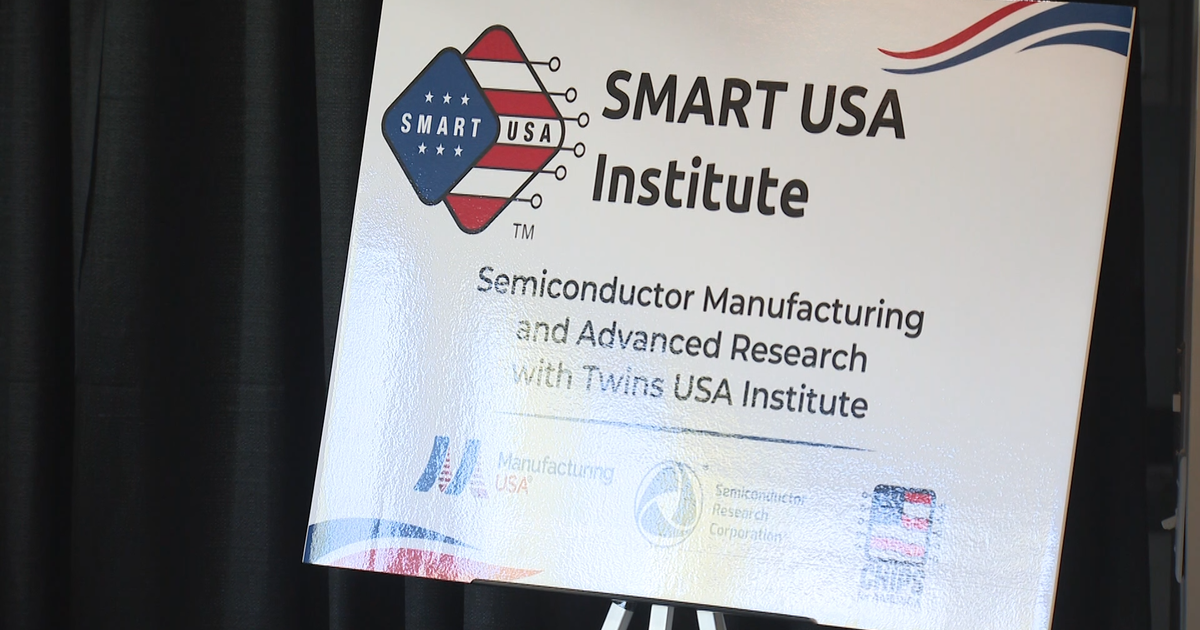
The Commerce Department terminated a $285 million CHIPS Act-funded contract with Durham-based Smart USA Institute effective Dec. 10, citing a "termination for convenience" despite the company saying it had met all performance targets. The project, a partnership with the Semiconductor Research Corporation Manufacturing Consortium to advance microelectronics and advanced packaging using AI-driven "digital twins," is now unfunded and Smart USA is evaluating next steps and briefing members. The move raises near-term policy uncertainty around federal CHIPS program allocations and could slow planned collaborative R&D in semiconductor manufacturing.
Market structure: The termination of a $285M CHIPS Act award is a negative micro-shock for regional consortia and contractors that counted on grant-backed CAPEX and multi-year R&D revenue; expect 5–15% near-term revenue risk for small-cap advanced-packaging vendors dependent on such grants. Large tier-1 equipment suppliers (AMAT, LRCX, KLAC, ASML) see minimal secular demand impairment from AI-driven fab builds, but could face 1–3% delay risk in incremental orders over 1–2 quarters as smaller projects reprice or seek private capital.
Risk assessment: Tail risks include a cascade of further “for convenience” terminations or political retrenchment of CHIPS allocations that could remove $0.5–2bn of near-term US funding, pressuring small-cap balance sheets and regional muni guarantees. Immediate window (days): market sentiment/newsflow volatility; short-term (weeks–months): order deferrals and re-contracting; long-term (quarters–years): talent pipeline and advanced-packaging capacity may shift to vertically integrated incumbents.
Trade implications: Tactical plays favor long exposure to large-cap secular beneficiaries (NVDA, ASML, AMAT) and defensive short/option exposure to small-cap packaging/equipment vendors (e.g., KLIC, UCTT) with 3–6 month horizons. Use put spreads to cap capital and pair long leaders vs short niche CHIPS-dependent names to capture relative reallocation of federal dollars and private follow-on funding.
Contrarian angles: Consensus likely overweights headline risk — one termination labeled “for convenience” historically precedes reprocurement or private matching; this creates M&A/partnership optionality for viable consortia. Conversely, if Commerce signals stricter oversight, expect fast widening of credit spreads for small contractors; watch for acquisition bids within 6–12 months as strategic incumbents scoop up IP cheaply.
AI-powered research, real-time alerts, and portfolio analytics for institutional investors.
Request DemoOverall Sentiment
moderately negative
Sentiment Score
-0.50
