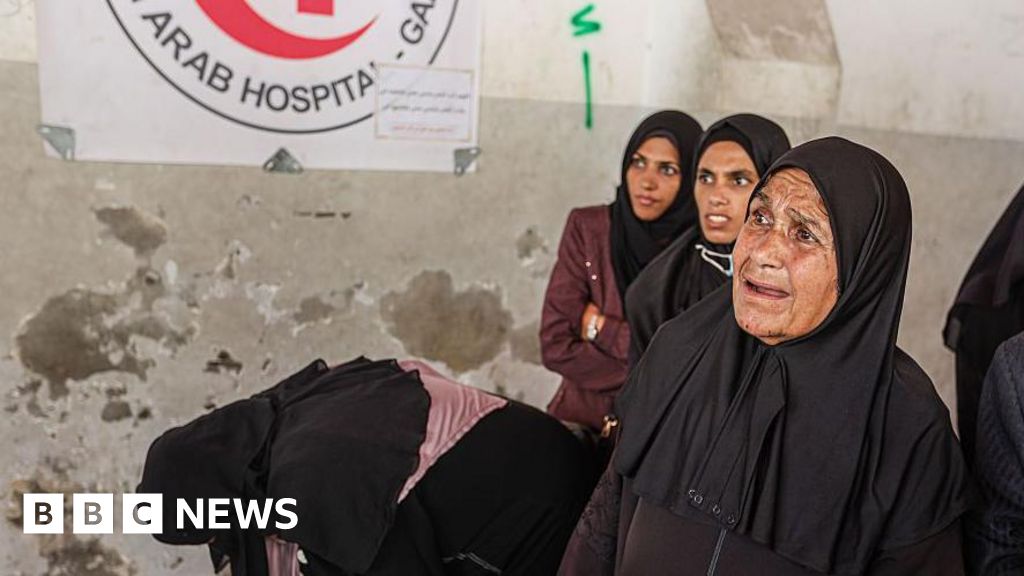
An Israeli tank shell reportedly killed 11 members of the Abu Shaaban family in northern Gaza, marking the deadliest incident since the recent ceasefire, with conflicting accounts from Hamas and the IDF regarding the circumstances of the 'suspicious vehicle' near Israeli-occupied zones. This event highlights the persistent volatility and humanitarian challenges in the region, alongside ongoing exchanges of deceased hostages and prisoners, indicating continued geopolitical instability that could influence market sentiment and regional investment risk.
The killing of 11 civilians by an Israeli tank shell in Gaza, the deadliest incident since the ceasefire, immediately signals significant fragility in the region's security. Conflicting narratives from Hamas and the IDF regarding an unmarked "yellow line" and a "suspicious vehicle" highlight the operational complexities and high potential for miscalculation. This event challenges the durability of the recent agreement and suggests an elevated risk of renewed conflict. Ongoing exchanges of deceased hostages and prisoners remain contentious, with both sides accusing the other of non-compliance and hindering efforts. Hamas blames Israeli strikes for impeding body recovery, while Israel demands full adherence to the hostage return agreement. This persistent friction, coupled with the IDF's continued operational presence, underscores a deeply unstable geopolitical landscape. The overall "strongly negative" sentiment and "uncertain" tone, despite a low market impact score, reflect the inherent volatility and elevated regional investment risk. This incident reinforces the "Geopolitics & War" theme, implying potential for broader market jitters or re-evaluation of assets tied to the region. The lack of clear demarcation and communication issues exacerbate the risk of further unintended escalations.
AI-powered research, real-time alerts, and portfolio analytics for institutional investors.
Request DemoOverall Sentiment
strongly negative
Sentiment Score
-0.80
