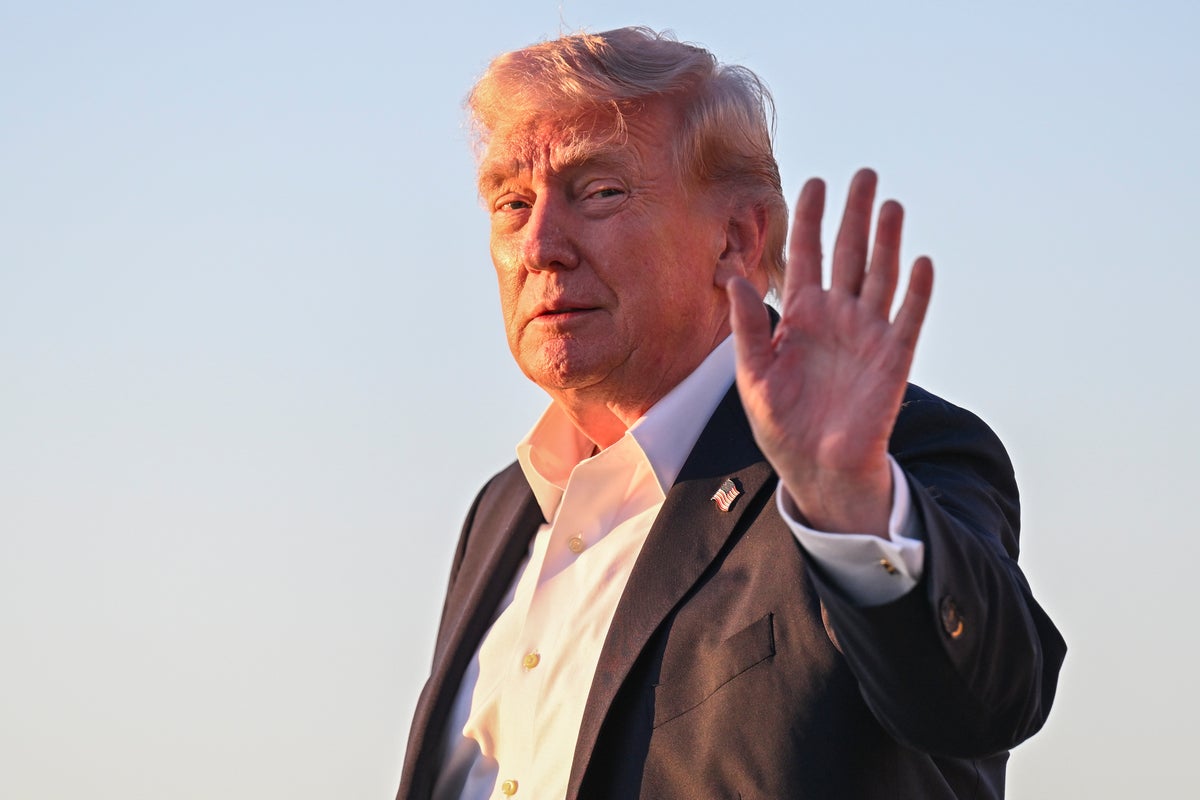
Trump paused the proposed US escort mission in the Strait of Hormuz after reported backlash from Saudi Arabia and Kuwait, while Washington and Tehran continue peace talks. The Strait of Hormuz remains a key global shipping chokepoint, so any escalation or reopening agreement could materially affect energy flows, freight routes, and regional risk premiums. Israel also struck Beirut for the first time since last month’s ceasefire, underscoring elevated geopolitical tensions across the region.
The immediate market read is not “peace dividend,” but a reduced probability of forced supply disruption in the next 1-3 sessions. The key second-order effect is that allied refusal to facilitate the escort plan exposes a constraint on unilateral US escalation; that lowers the odds of an abrupt Hormuz closure scenario, which is the only path to a fast, nonlinear energy spike. As a result, the risk premium in crude should compress at the front end even if headline volatility stays high.
The more important medium-term implication is that diplomacy now has a stronger incentive to produce a narrow, tactical arrangement around shipping before a broader nuclear settlement. That means the market should distinguish between a durable de-escalation and a temporary “shipping truce” that can break on one failed inspection, proxy attack, or domestic political signal in Tehran or Washington. In other words, the tail risk is still there, but the distribution has shifted from immediate military shock to intermittent headline risk over the next 2-6 weeks.
Defense and shipping insurers are the cleanest relative beneficiaries of uncertainty, not war per se. If escorts are paused, shipping equities may rally on lower near-term disruption fears, but that upside is fragile because any renewed escalation would hit transit costs, war-risk premiums, and regional logistics capacity faster than it would lift volumes. The contrarian point: the market may be underpricing how much credibility loss this creates for US deterrence if allies are unwilling to support operations, which can embolden asymmetric actions even as overt escalation cools.
AI-powered research, real-time alerts, and portfolio analytics for institutional investors.
Overall Sentiment
mildly negative
Sentiment Score
-0.15
Ticker Sentiment
