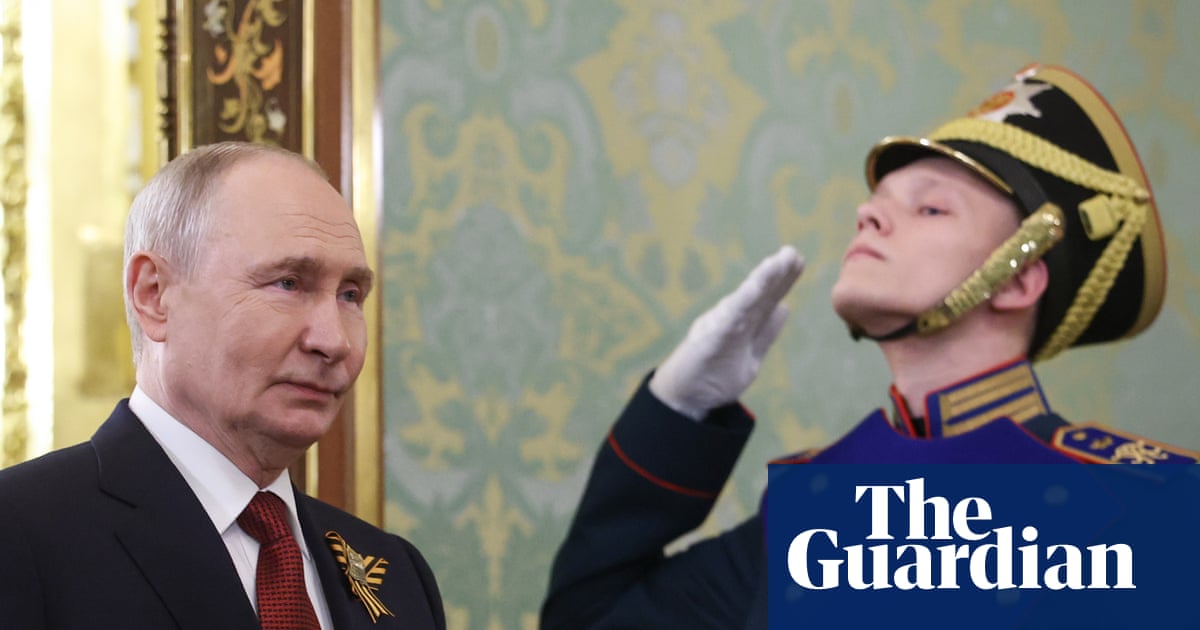
Putin said the Ukraine war is 'coming to an end' and signaled openness to negotiate new European security arrangements, while also reiterating that any meeting with Zelenskyy would only happen after conditions for peace are settled. The article also highlights a three-day ceasefire marked by mutual accusations, continued drone activity, and the war’s ongoing toll, with Russia controlling just under one-fifth of Ukrainian territory. Despite the rhetoric, the conflict remains active and continues to carry major geopolitical and defense-market implications.
The key market implication is not an imminent peace dividend, but a higher-probability shift from kinetic escalation to a protracted freeze. That tends to compress the geopolitical risk premium in European assets at the margin, while simultaneously reducing the odds of a sudden supply shock in energy, fertilizers, and select industrial inputs. The first-order winners are European cyclicals with heavy Ukraine-war discounting; the second-order winner is the region’s small-cap industrial complex if lower tail risk revives capex and cross-border logistics.
The bigger underappreciated effect is on defense procurement. Even if the front line stabilizes, European governments are likely to treat the conflict as evidence of permanent deterrence failure, which supports multi-year spending rather than a one-off spike. That argues for staying long defense primes and select electronics/sensors rather than the most headline-sensitive names, because the spend mix should skew toward air defense, drone countermeasures, ISR, and munitions replenishment over the next 12-24 months.
On the loser side, any easing in ceasefire rhetoric can pressure European gas and diesel-linked assets only if the market starts pricing a genuine easing of sanctions or faster pipeline normalization, which still looks unlikely in the near term. The more realistic trade is that lower immediate war intensity reduces volatility in shipping and power prices, but not enough to break the structural sanctions regime. A true reversal would require a durable agreement with verifiable withdrawal terms; absent that, the market is likely to fade optimism after the first headline burst.
The contrarian view is that this is less about peace and more about bargaining leverage ahead of another negotiation cycle. If the market extrapolates too much, risk assets in Europe could rally on air and then give back once talks stall. That creates an attractive setup to buy quality defense on any dip and fade overly aggressive bets on broad European re-risking.
AI-powered research, real-time alerts, and portfolio analytics for institutional investors.
Request DemoOverall Sentiment
mildly negative
Sentiment Score
-0.20
