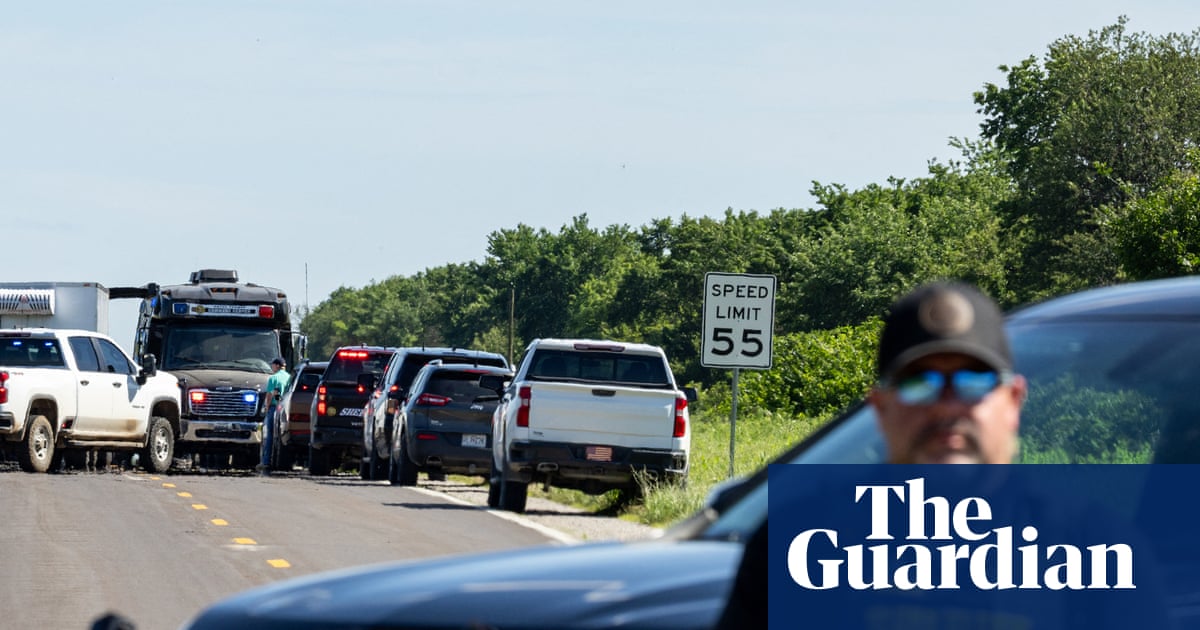
Twelve people were killed when a Skydive Kansas City plane crashed shortly after departing Butler Memorial airport in Missouri, according to the FAA and local officials. The aircraft, a Pacific Aerospace P750 turboprop built in 2010, was carrying 11 skydivers and the pilot; the NTSB will lead the investigation. The incident is tragic and could renew scrutiny of skydiving operator oversight, but broader market impact should be limited.
The immediate market read is not about one operator’s tragedy; it’s about the probability distribution shifting for the entire niche air-charter / aerial-work ecosystem. Skydiving operators run on thin utilization, aging specialized aircraft, and a few hours of downtime can destroy a week’s economics, but the larger second-order risk is regulatory: a high-fatality event in a visibly recreational use-case tends to accelerate FAA scrutiny of maintenance records, pilot duty, and operator certification standards across the category.
That creates a near-term winner/loser split. Insurance underwriters, reinsurers, and MROs benefit if the response is tighter inspection cycles and higher premiums, while small operators and aircraft lessors with concentrated exposure to jump-flight demand get hit through both higher compliance costs and lower fleet utilization. The market typically underestimates the lagged effect: incidents like this do not just reduce current bookings; they can freeze new aircraft purchases and renewals for quarters as operators conserve cash and regulators force remedial checks.
The contrarian angle is that the headline impact is likely over-discounted for the broad travel/leisure complex and underpriced for the insurance and litigation stack. Unless the NTSB finds a uniquely operator-specific failure, the first-order damage should remain localized; however, if the investigation surfaces systemic maintenance or oversight gaps, the second-order effect is a higher cost of capital for specialty aviation businesses for 12–24 months. That is the real tradeable channel, not the accident itself.
AI-powered research, real-time alerts, and portfolio analytics for institutional investors.
Request DemoOverall Sentiment
extremely negative
Sentiment Score
-0.95
