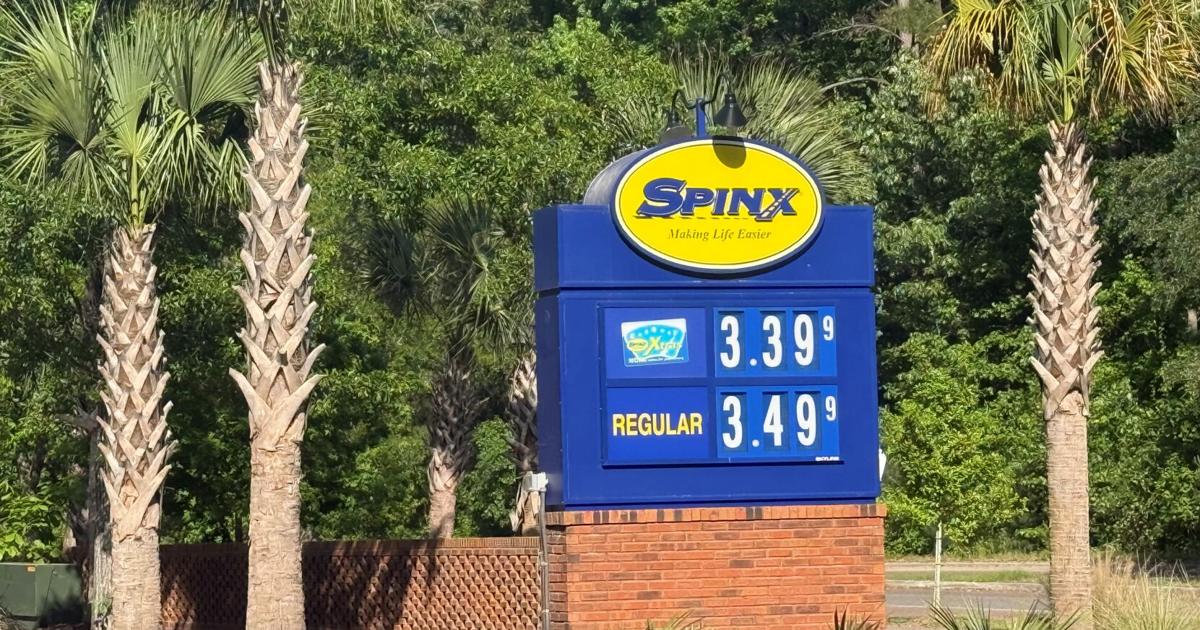
U.S. gasoline prices remain elevated at $4.02 per gallon nationally, while South Carolina averages $3.68 and Charleston County $3.67 as the Iran war continues to pressure global energy markets. The article also notes diesel at $5.45 per gallon in the state, up more than $2 year over year, but frames the rest of the piece around consumer fuel-savings programs rather than a new market-moving development.
The market is underpricing how sticky elevated pump prices can be once geopolitics, refining constraints, and retail margin protection all stack in the same direction. The near-term winner is not just upstream energy; it is the handful of retailers and branded fuel networks that can convert consumer frustration into loyalty-program penetration, higher app engagement, and cross-sell inside convenience retail. That creates a second-order benefit for names with dense physical footprints and membership ecosystems, while unbranded independents face pressure if consumers become more price-sensitive and digitally comparison-shop more aggressively.
The bigger risk is that the current setup delays demand normalization rather than destroys it outright. Fuel pain is usually absorbed first through discretionary cutbacks elsewhere, which can quietly hit big-box retail baskets, quick-service traffic, and road-trip sensitive categories before it shows up in gasoline volumes. If diesel stays structurally high, that is a broader inflation tax on freight and agriculture, which can keep goods inflation sticky even if crude retraces; that matters because it reduces the probability of a clean consumer-led disinflation trade over the next 2-3 quarters.
The contrarian angle is that the strongest short-term beneficiaries may be the retailers using fuel as a loss-leader, not the stations with the highest sticker discount. Membership and loyalty programs can pull incremental trips and spending into the ecosystem, making the fuel discount economically rational if it increases household share of wallet. In that framing, the market may be too focused on per-gallon savings and not enough on customer acquisition cost, retention, and cross-category monetization over the next 12 months.
For portfolio construction, this is a mild positive for energy exposure but a more interesting relative-value setup in consumer/retail. The cleaner trade is to own the firms with fuel-linked ecosystem leverage and short the names most exposed to discretionary pullback from higher household transport costs. Timing matters: the next 30-60 days should favor the trade if gasoline remains above the psychological threshold and summer driving demand holds; if crude rolls over, the trade will unwind quickly, but the loyalty flywheel may still support relative performance in the linked retailers.
AI-powered research, real-time alerts, and portfolio analytics for institutional investors.
Request TrialOverall Sentiment
neutral
Sentiment Score
-0.05
Ticker Sentiment
