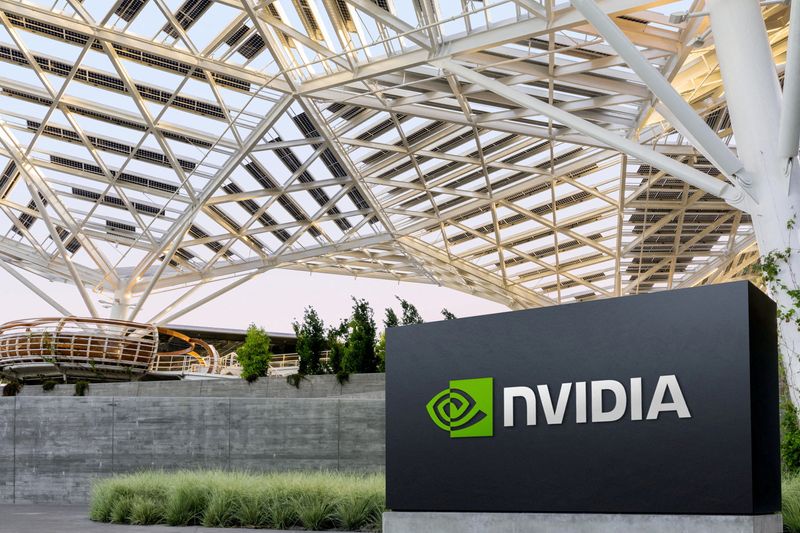
Culper Research said it is short Nvidia, alleging more than 20% of fiscal 2026 compute revenue still comes from China despite Nvidia’s claim the business went to zero after April 2025 U.S. restrictions. The report alleges illegal GPU diversion through Southeast Asian intermediaries, including Megaspeed, and cites trade records showing $4.6 billion in Speedmatrix imports from December 2024 to January 2026, including $4.0 billion from Aivres Systems. The claims add fresh export-control and supply-chain risk around Nvidia and could pressure the stock if investors believe China revenue remains materially exposed.
The market is likely underpricing the distinction between headline risk and supply-chain reality. If even a portion of China-end demand is being rerouted through Southeast Asian channels, the immediate earnings hit to the ecosystem is smaller than the rhetoric suggests, but the legal/regulatory overhang becomes much more durable. That means the near-term loser is not just NVDA; it is any vendor with opaque channel exposure, because the debate shifts from “can they ship?” to “can they prove where the chips landed.”
The second-order beneficiary is domestic AI infrastructure outside the crosshairs of export-control scrutiny. If Beijing has accelerated substitution toward local accelerators, that creates a medium-term volume opportunity for Chinese semiconductor names and system integrators, while also compressing pricing power for NVDA in any re-opened China channel. The risk is that enforcement now targets intermediaries, financing structures, and OEMs simultaneously, which could tighten global server supply and hit SMCI-style assembly economics over the next 1-2 quarters.
For BABA, the issue is less direct earnings leakage and more governance and sanctions contagion. Even if no formal charging path emerges, any credible linkage to financing or shell routing increases the probability of elevated compliance costs, U.S. scrutiny, and multiple compression over months rather than days. The contrarian view is that the stock reaction in NVDA may be too reflexive if investors are already discounting zero China revenue; the real repricing may come from a broader re-rating of “grey-channel” suppliers and from incremental loss of trust in management disclosures, not from the direct revenue line itself.
AI-powered research, real-time alerts, and portfolio analytics for institutional investors.
Request DemoOverall Sentiment
strongly negative
Sentiment Score
-0.60
Ticker Sentiment
