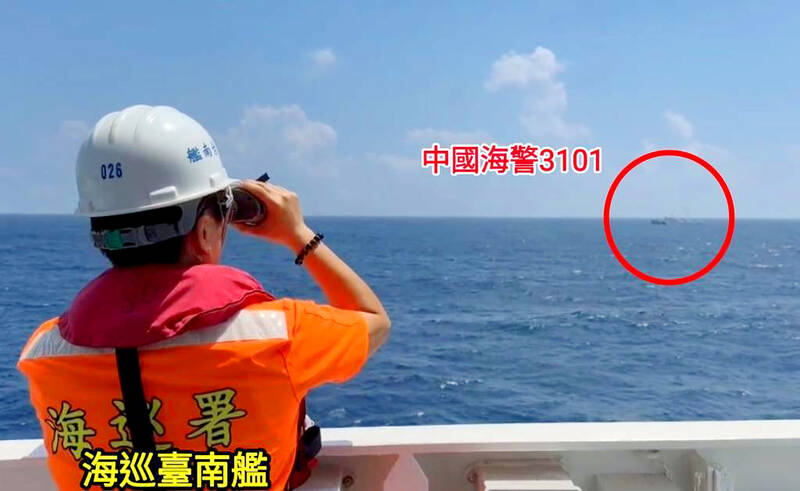
China is intensifying maritime pressure on Taiwan, with repeated coast guard and research vessel activity around Taiwan, Pratas, and Itu Aba, prompting Taiwan to maintain a shadowing-and-monitoring response rather than escalate. The article also notes a 3.8% year-on-year rise in inbound visitors to 2,990,657 in Q1 and a new tourism incentive of up to NT$8,000 for repeat international visitors. Separately, Taiwan’s first F-16V Block 70 aircraft has been sighted in Texas ahead of delivery, signaling progress in the air force modernization program.
This reads less like a one-off headline and more like a controlled rise in maritime friction that is meant to normalize Chinese presence around Taiwan’s periphery. The key market implication is not immediate kinetic risk, but gradual budget and readiness creep: Taiwan will need to keep more hulls, crews, and ISR assets on station for longer, which raises OPEX and accelerates wear on an already resource-constrained force. That favors contractors and platforms tied to maritime surveillance, coastal command-and-control, and anti-ship/air-defense sustainment more than headline fighter-airframe narratives.
The second-order effect is on commerce and tourism sentiment at the margin. Even if incidents stay below the threshold of direct confrontation, repeated “shadowing” cycles can create episodic insurance, routing, and port-security costs for shipping and fishing activity around the island chain. The bigger macro risk is that Beijing is testing a playbook of persistent pressure that forces Taiwan to choose between tolerating more incursions or escalating with a single mishap; that tail risk becomes more relevant over the next 3-12 months than over days.
For LMT, the article is mildly supportive only through the broader Taiwan rearmament lens, but the stock is unlikely to react to this specific development unless it feeds into faster F-16V delivery, munitions orders, or follow-on air-defense procurement. The more interesting trade is that maritime pressure can indirectly support U.S.-aligned defense supply chains by reinforcing allied procurement urgency in Taiwan, Japan, and the Philippines. Contrarian take: the market may overestimate near-term conflict probability and underprice the durability of a slow-burn standoff; that argues for owning defense optionality without chasing full geopolitical beta.
AI-powered research, real-time alerts, and portfolio analytics for institutional investors.
Request DemoOverall Sentiment
mildly negative
Sentiment Score
-0.20
Ticker Sentiment
