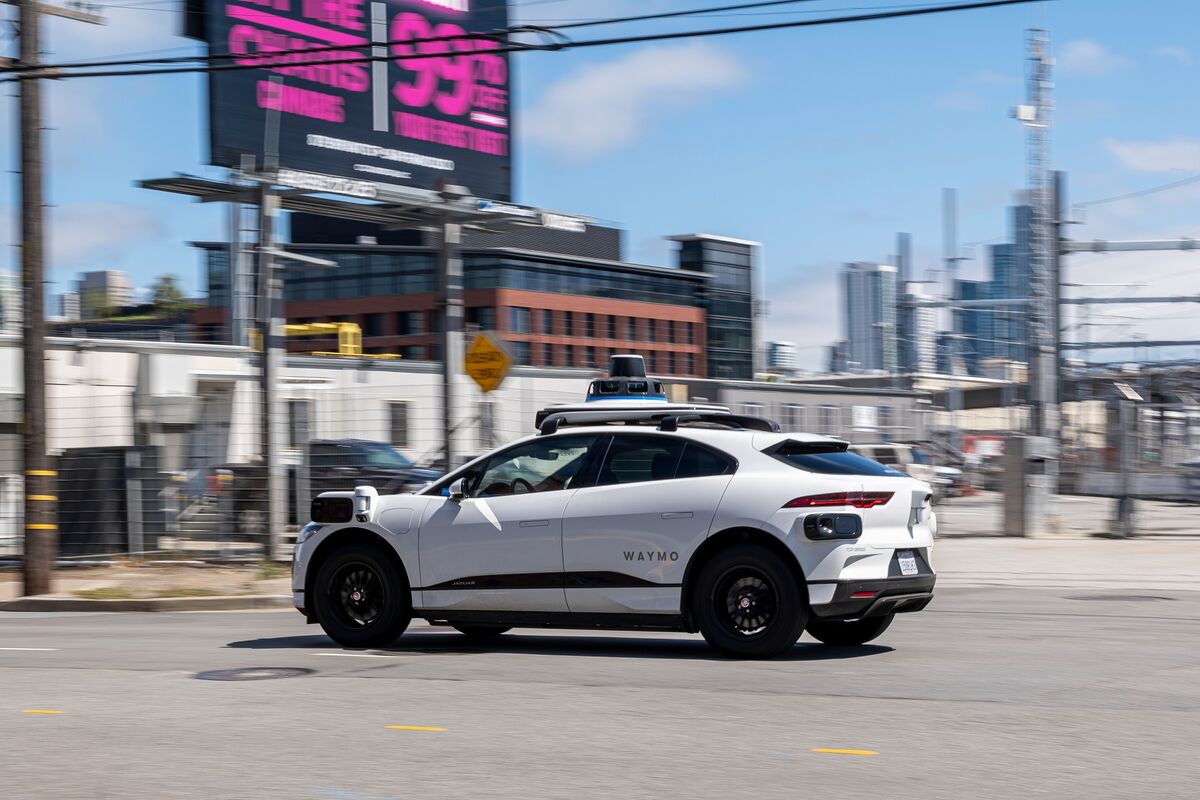
Waymo, Alphabet Inc.'s self-driving unit, will file a voluntary software recall with U.S. federal authorities after its autonomous vehicles repeatedly failed to fully slow or stop for school buses. The company expects to file the notice early next week and it will appear on the NHTSA website shortly thereafter, raising regulatory scrutiny and potential reputational and operational risks that could slow deployments and impose remediation costs.
Market structure: This recall is a targeted hit to Waymo/Alphabet’s autonomy credibility (GOOGL/GOOG), creating near-term winners like legacy OEMs and risk-averse ADAS suppliers who can claim safer, incremental deployments; pure-play robo-taxi valuations and small-cap AV suppliers will be most affected. Expect a modest re-pricing: 1–7% downside risk to GOOGL equity on sustained headlines and a 20–40% lift in 30-day implied volatility for GOOGL options; flight-to-quality could compress corporate spreads and tighten 2s10s by a few bps if equities sell off.
Risk assessment: Tail risks include a fatal accident or an expanded NHTSA probe that triggers fines, litigation, or a multi-month operational pause — a low-probability event with 10–20% downside to Alphabet market cap. Timeline: days — IV and headlines spike; weeks — regulatory filings and initial NHTSA response; 6–24 months — slower commercial rollouts and higher compliance costs. Hidden dependencies: fleet telemetry, third-party mapping suppliers, and vendor SLAs; loss of partner confidence could compound costs.
Trade implications: Tactical hedges on GOOGL are warranted (short-dated puts or put spreads 1–3 months) while staying long secular AI exposures (NVDA) and selectively long insurers (PGR/TRV) if pricing power rises. Consider pair trades (long NVDA, short GOOGL) to express idiosyncratic regulatory risk vs. secular AI demand. Entry: execute within 5 trading days of public recall; exit within 30–90 days or on resolution signals.
Contrarian angles: The market may over-penalize Alphabet for a fixable software issue — historically (e.g., Tesla autopilot headlines) selloffs were 5–15% and reversed as updates rolled out. If Waymo’s recall is limited and NHTSA accepts voluntary remediation, GOOGL could mean-revert quickly; conversely, regulatory scrutiny can create durable barriers that favor deep-pocket incumbents and testing/simulation vendors.
AI-powered research, real-time alerts, and portfolio analytics for institutional investors.
Request DemoOverall Sentiment
moderately negative
Sentiment Score
-0.35
Ticker Sentiment
