


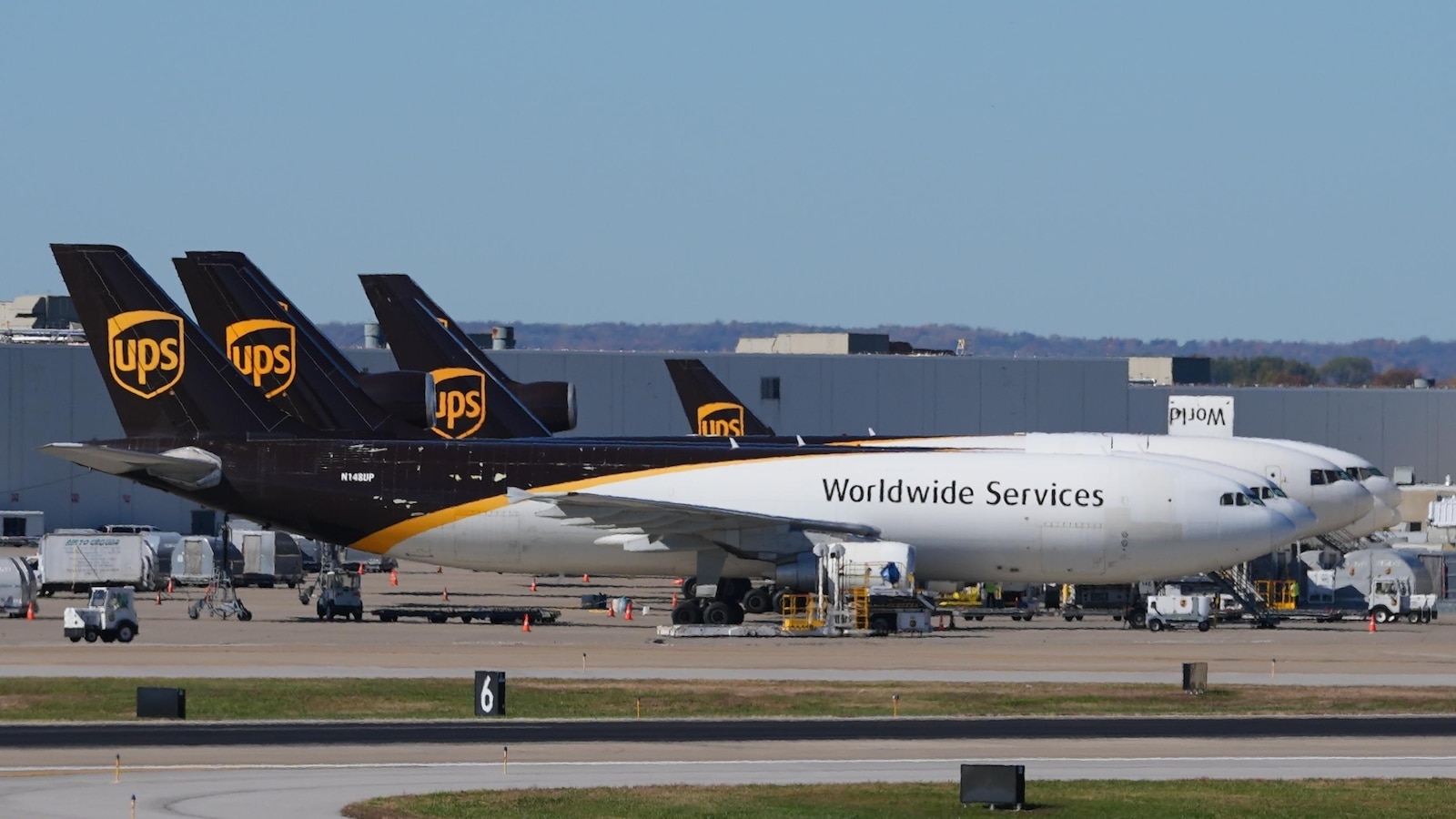
A UPS cargo plane aborted a landing in Louisville after a small aircraft crossed the runway, triggering an emergency go-around and an FAA investigation. No one was injured, but the incident adds to recent runway close calls involving Frontier, American Airlines, and Air Canada. The news is operationally relevant for UPS and underscores ongoing aviation safety scrutiny, though it is unlikely to have a material immediate market impact.
This is less about one event and more about a tightening loop between operational noise, regulator attention, and hub-level reputational risk. For UPS, the bigger second-order issue is not the direct cost of a go-around, but the probability of elevated scrutiny at a critical sort hub where even small increases in delays can cascade into missed connections and higher linehaul variability. That tends to matter most in the next 1-3 quarters if FAA/NTSB findings translate into procedural changes, temporary runway restrictions, or added staffing/monitoring costs.
The competitive impact is asymmetric: UPS is exposed to any incremental friction at Louisville because hub efficiency is a core part of its service-quality moat. By contrast, diversified parcel and airline peers with less concentration risk may benefit if customers re-route volume away from a perceived operational chokepoint, even if only marginally. A durable issue would be if this becomes part of a broader narrative that cargo and passenger traffic are stressing airport ground-control systems, which could pressure the sector on insurance, compliance, and capital spending assumptions.
The more interesting setup is that the stock reaction may overstate the long-term earnings impact if this remains an isolated near miss. The real catalyst risk is a follow-on incident within 30-90 days: that would convert a headline into an operations story and could force management to address hub resilience publicly. Conversely, if the investigation quickly points to a one-off procedural error, the downside fades and the event becomes a buying opportunity on any dip tied to headline risk.
Contrarian take: the market may be underestimating how often these incidents become catalyst-light despite scary optics. Unless investigators identify systemic airport control weaknesses or UPS-specific process failures, the earnings effect is likely de minimis; the bigger tradable angle is volatility around safety headlines, not a structural deterioration in package demand or pricing power.
AI-powered research, real-time alerts, and portfolio analytics for institutional investors.
Request TrialOverall Sentiment
neutral
Sentiment Score
-0.10
Ticker Sentiment
