Russia’s first-quarter military recruitment fell 20% year over year, to about 70,500 soldiers, or roughly 800 per day, while reported Ukrainian losses inflicted in March were more than 35,000 killed or seriously wounded. The article also suggests Ukraine may have used domestically developed ballistic missiles in combat and says Russia kept oil exports from western ports near 2.0m barrels per day in early April despite repeated drone strikes. The main market relevance is geopolitical, with implications for defense spending, energy flows, and Russian budget revenues.
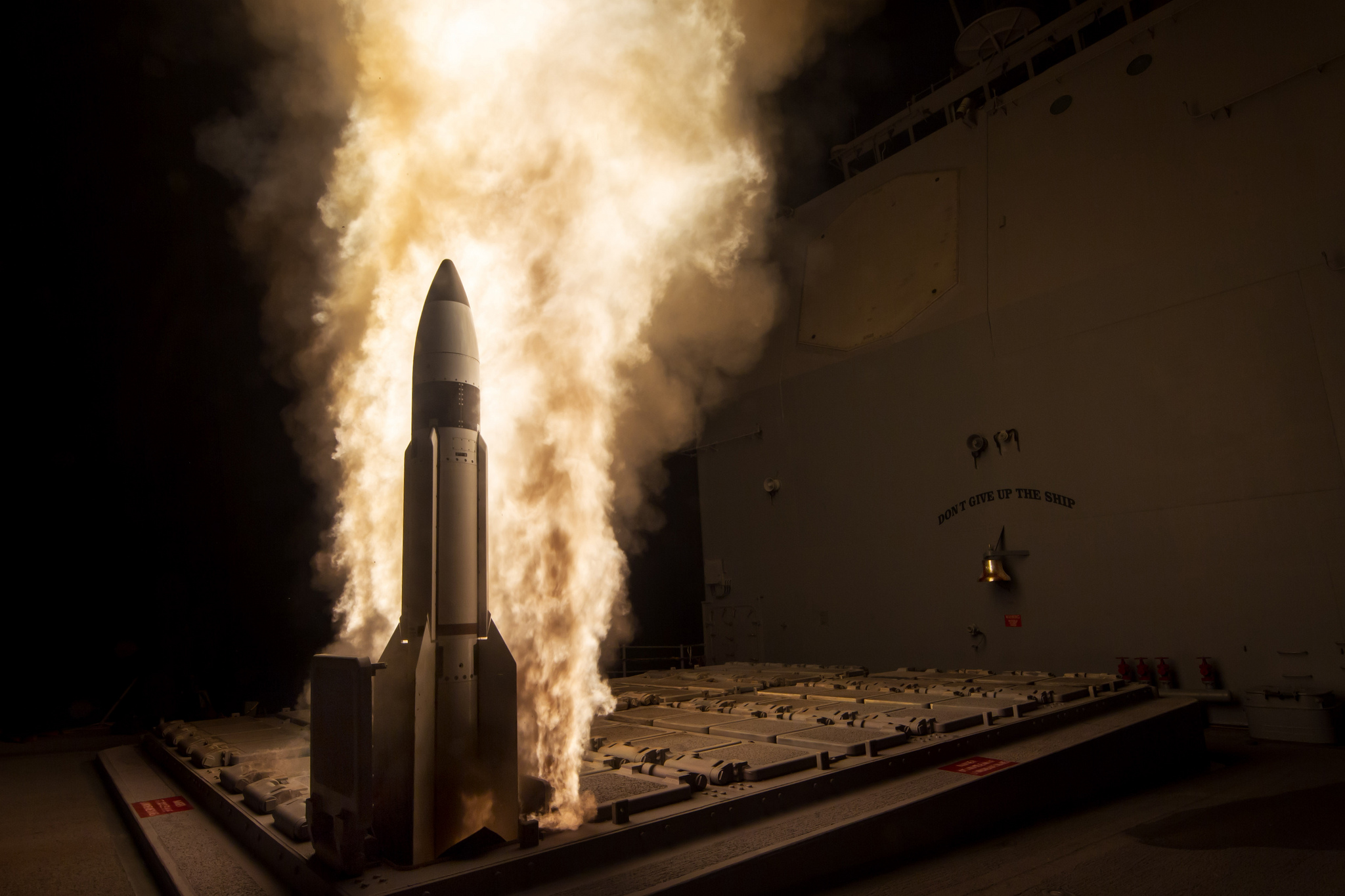
The market implication is not that the war is ending, but that Russia’s marginal cost of sustaining it is rising faster than its ability to absorb that cost. A recruitment slowdown paired with escalating bonuses is a classic late-cycle wartime labor signal: the state can still fund volume, but the price of each incremental soldier is rising, which crowds out other budget priorities and makes the system more fragile to any shock in oil revenue or regional budgets. That fragility matters most for energy. The near-term takeaway is not that Ukrainian strikes can shut exports, but that Russia has already shown a high degree of operational adaptability around damaged ports, so the larger variable is taxation, logistics friction, and insurance/discount pressure rather than outright lost barrels. The second-order risk is that if revenues stay supported by oil prices while recruitment costs keep compounding, Moscow will lean harder on fiscal transfers to regions, increasing sovereign/municipal stress beneath the surface. The missile claims should be treated as a capability-signaling event more than a confirmed step-change in battlefield economics. If Ukraine has moved from cruise-only to even a limited indigenous ballistic capability, the relevant effect is deterrence asymmetry: a small number of hard-to-intercept systems can force Russia to disperse high-value assets and devote more air defense to rear-area infrastructure. That tends to benefit drones and ground robots too, because both sides will increasingly substitute cheaper, attritable systems for scarce precision assets. Contrarian view: the consensus may be overestimating the immediate military significance of the border incursions and underestimating the fiscal significance of recruitment bonuses. Small territorial gains near Sumy are tactically useful but strategically noisy; the more durable signal is that Moscow is paying up to replenish losses while oil receipts remain vulnerable to price swings and episodic port disruption. The risk-reward window is therefore better expressed through fiscal/energy sensitivity than through a direct Ukraine ceasefire trade.
AI-powered research, real-time alerts, and portfolio analytics for institutional investors.
Request DemoOverall Sentiment
neutral
Sentiment Score
0.05
Ticker Sentiment
