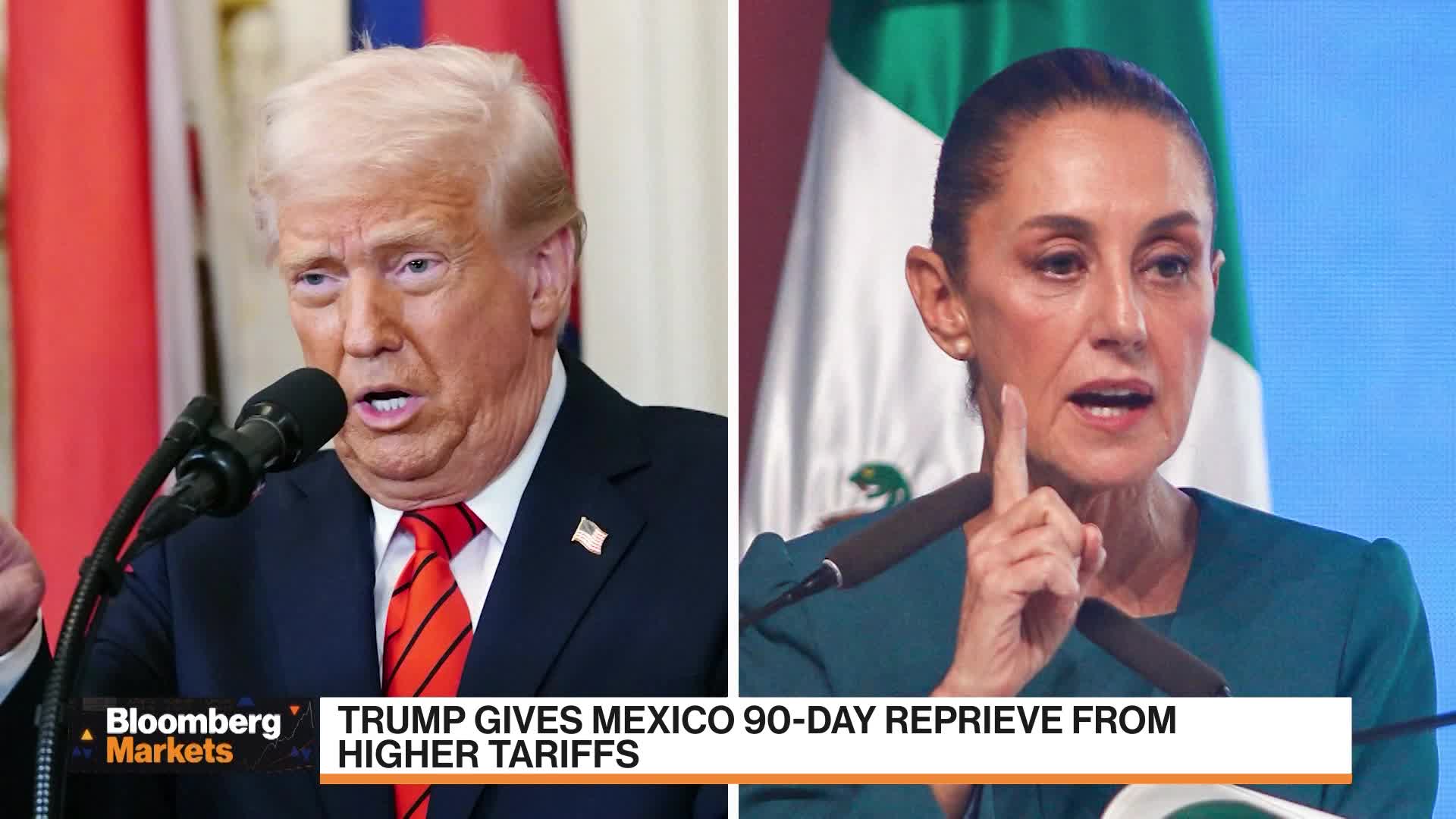
Former President Trump granted Mexico a 90-day reprieve from previously threatened tariffs, thereby averting an immediate trade conflict and reducing market uncertainty surrounding U.S.-Mexico economic relations. This temporary measure provides a critical window for diplomatic resolution regarding cross-border trade.
The 90-day reprieve on tariffs granted to Mexico by the Trump administration provides a temporary de-escalation of a significant trade dispute, reducing immediate market uncertainty. This development is moderately positive for risk assets directly exposed to U.S.-Mexico trade, such as companies reliant on cross-border supply chains in the automotive and manufacturing sectors. However, the relief is strictly time-bound, creating a critical 90-day window for diplomatic negotiations. The core issues remain unresolved, meaning the threat of future tariff implementation persists as a considerable overhang. This situation underscores the ongoing sensitivity of markets to geopolitical and trade policy shifts, where political decisions can abruptly alter the outlook for specific sectors and international economic relationships.
AI-powered research, real-time alerts, and portfolio analytics for institutional investors.
Request DemoOverall Sentiment
moderately positive
Sentiment Score
0.50
