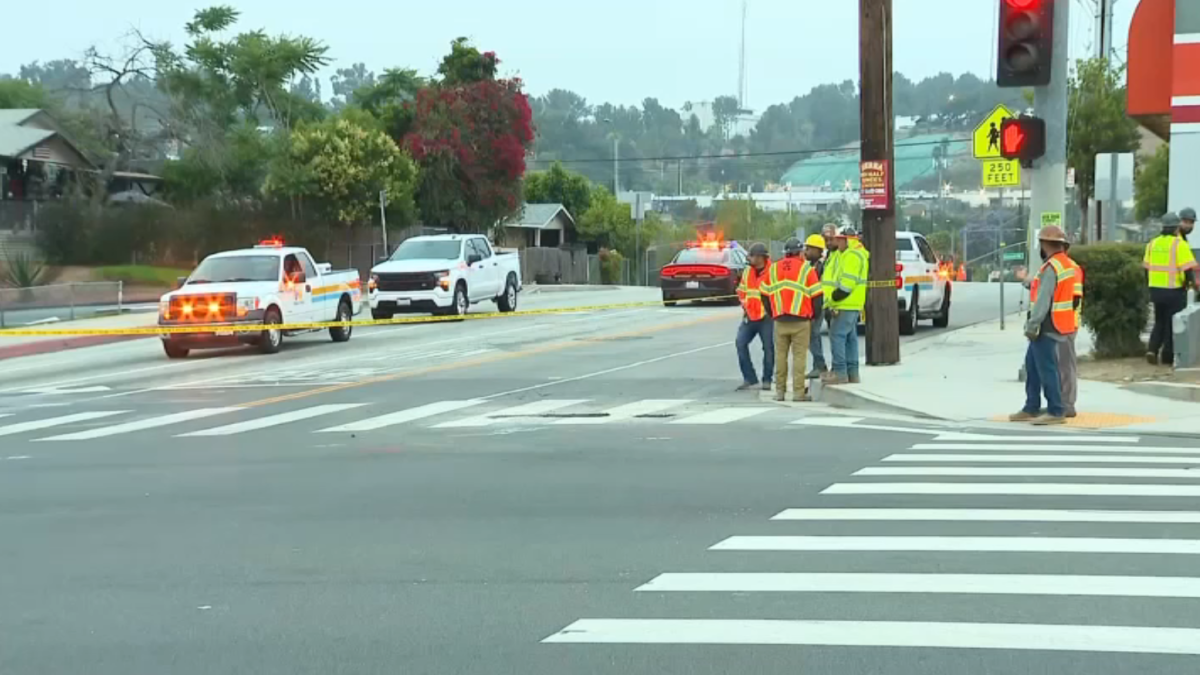
A crude oil pipeline rupture in East Los Angeles spilled petroleum at about 5 gallons per second before the flow was reduced to a small trickle. The line, which runs from Dodger Stadium to the Port of Los Angeles, was struck during fiber-optic drilling and sent oil into the roadway, storm drain system and Los Angeles River, prompting cleanup operations expected to take at least 8 hours. Authorities said the incident is stabilized, but environmental risk remains the main concern.
This is less a direct energy price shock than a localized infrastructure failure with asymmetric regulatory and operational fallout. The immediate economic damage is likely concentrated in cleanup, downtime, and potential claims, but the second-order risk is a broader tightening of oversight on urban pipeline routing, contractor coordination, and third-party damage protocols. That matters because incidents like this can force operators to accelerate integrity spending and reroute capex toward monitoring and leak detection rather than growth projects, pressuring near-term margins for midstream assets with dense urban exposure.
The market implication is mostly on the margin for West Coast refined product flows and logistics, not global crude balances. If the line restart is partial within hours, the bigger variable becomes whether regulators impose temporary throughput limits, testing requirements, or remediation orders that extend beyond the cleanup window into days or weeks. Any interruption to Los Angeles-area supply is also a small but real support for regional refined product spreads, especially if inventory buffers are thin and trucking replacement capacity is constrained.
The underappreciated angle is insurance and contractor liability. A third-party strike shifts the loss away from commodity fundamentals and toward civil claims, permitting scrutiny, and potentially higher premiums for pipeline operators, telecom trenching contractors, and adjacent construction projects. Over the next 1-3 months, that can translate into a higher cost of capital for any operator with urban-right-of-way concentration, even if the physical spill is contained quickly.
Consensus will likely dismiss this as a one-off clean-up event, but that may understate the policy signal. In a city already sensitive to environmental enforcement, even a small residual sheen reaching the river channel can catalyze tougher permitting and inspection regimes. That creates a slow-burn negative for operators with similar exposure, while benefiting companies that sell leak detection, environmental remediation, and monitoring systems.
AI-powered research, real-time alerts, and portfolio analytics for institutional investors.
Request DemoOverall Sentiment
moderately negative
Sentiment Score
-0.40
