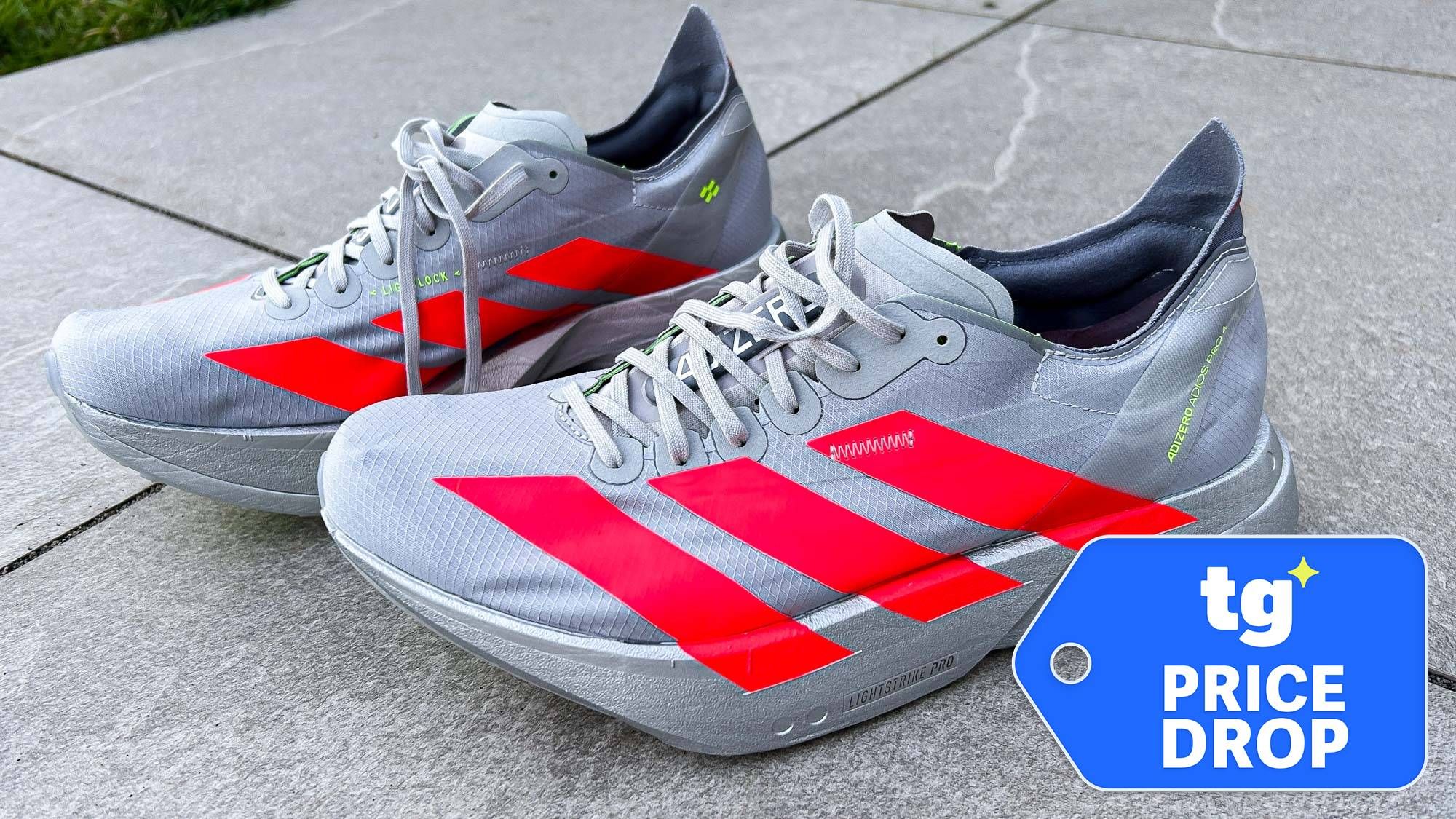
The article highlights discounted running shoes from Adidas, Hoka, Asics, Nike, Saucony and Under Armour, with savings of up to 50% and brand-specific deals ranging from 30% to 46% off. It is a consumer retail promotions piece rather than a market-moving corporate development, but it signals healthy promotional activity and seasonal demand in athletic footwear. No financial figures beyond discount levels or company-specific earnings data are provided.
This reads as a small but useful read-through on discretionary athletic apparel demand rather than a standalone signal on footwear pricing. The first-order winner is the premium run-performance stack, where markdowns on speed shoes can accelerate unit turnover without requiring the brands to defend list price in the core daily-trainer franchise. More interestingly, discounting on top-tier models can widen the funnel: entry-level runners trade up into higher ASP SKUs, while experienced runners refresh inventory earlier, supporting sell-through ahead of spring running season.
For Nike, the key issue is not the sale itself but whether its franchise remains the default choice when consumers are prompted to browse deals. If promotional intensity is rising across the category, Nike’s larger share of premium sell-through should protect revenue better than smaller peers, but it also risks training consumers to wait for discounts, which can pressure gross margin and inventory turns over the next 1-2 quarters. Under Armour is more vulnerable because it competes more on value and breadth; deeper promo dependency there can mask weak brand heat and keep ASPs structurally capped.
The second-order read is about channel health. If running shoes are moving with meaningful markdowns despite improving outdoor activity, retailers may still be cleaning up excess inventory from earlier order optimism, which would argue for a few more months of promotion before margins normalize. That makes this a better tactical consumer-trade than a fundamental long-duration growth call: the setup favors names with pricing power and product innovation, while lower-equity-brand names may see volume support but not profit leverage.
Contrarian view: the market may be underestimating how quickly highly visible promo events can stimulate replacement demand, especially for performance categories where consumers can justify upgrades as training tools rather than discretionary fashion. That can make the near-term impact on unit growth more positive than the margin hit looks on the surface, particularly if brands use targeted markdowns to clear colorways and protect flagship SKUs.
AI-powered research, real-time alerts, and portfolio analytics for institutional investors.
Request DemoOverall Sentiment
mildly positive
Sentiment Score
0.20
Ticker Sentiment
