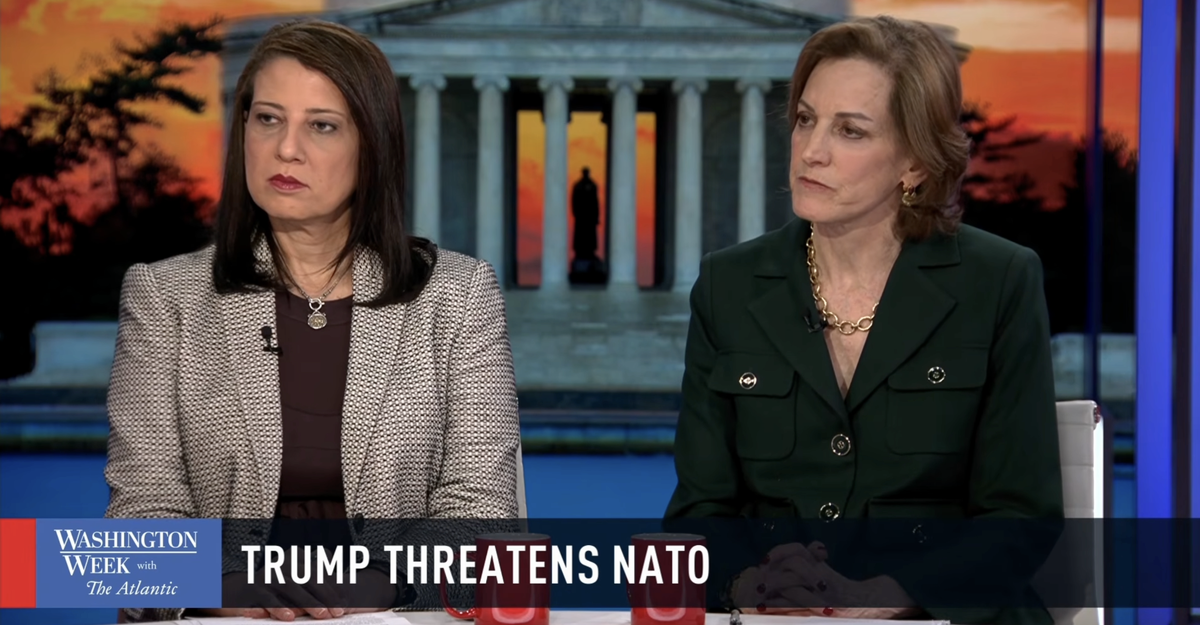
Trump’s war in Iran is creating economic pressure on European allies, according to panelists on Washington Week With The Atlantic. The article highlights strain from U.S. tariffs, insults, and geopolitical pressure, as well as ongoing logistical and intelligence cooperation among NATO partners. The tone is negative for Europe and risk-off for markets, with the conflict adding to geopolitical uncertainty across allied economies.
The market implication is not the headline geopolitical risk itself, but the forced repricing of Europe’s policy mix: more defense, more energy diversification, and less fiscal room for growth. That combination is structurally negative for cyclical European equities and positive for defense primes, grid/infrastructure names, and LNG-linked cash flows. The near-term pressure point is sentiment and FX rather than earnings; if Europe is perceived as both exposed to conflict spillovers and politically scapegoated by Washington, EUR risk premia can widen faster than macro data deteriorate.
The second-order effect is a widening transatlantic policy divergence. If U.S.-Europe relations stay tense, Europe will likely accelerate domestic industrial policy and defense procurement, which can help select contractors but hurts sectors dependent on cheap imported energy and smooth cross-border trade. That also raises the probability of retaliatory tariff noise, which would hit autos, capital goods, and luxury first because they are more leveraged to U.S. demand elasticity and headline risk.
The contrarian setup is that the initial selloff in Europe may overshoot because the region’s direct trade exposure to any single conflict can be smaller than the market’s fear premium suggests. The real medium-term loser may be U.S. allies’ capital allocation, not immediate GDP: higher defense budgets and energy security spending crowd out private investment for quarters, not days. If the conflict de-escalates or Washington softens its rhetorical pressure, the fastest rebound should be in beaten-down European cyclicals and the euro, but that requires an actual policy reversal rather than a news lull.
AI-powered research, real-time alerts, and portfolio analytics for institutional investors.
Request DemoOverall Sentiment
mildly negative
Sentiment Score
-0.35
