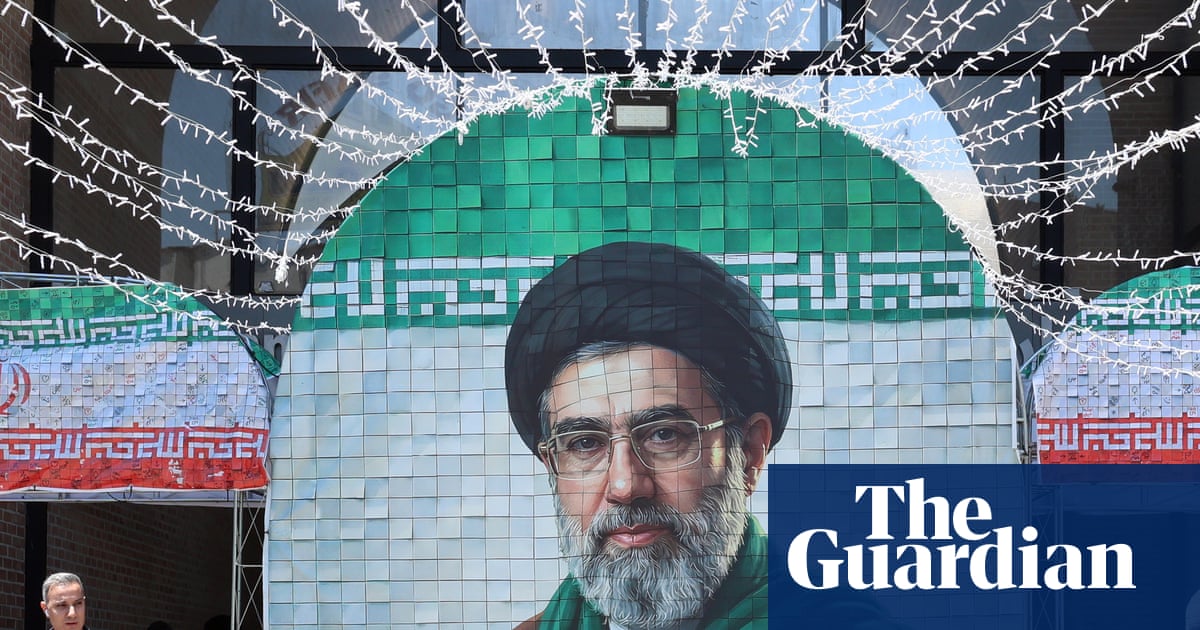
The US and Iran are reportedly close to a memorandum of understanding that could lift sanctions, unlock up to $20bn of frozen assets, and allow Iran to resume oil and petrochemical sales during a negotiation period. The deal would also reopen the Strait of Hormuz and reduce the risk of further military escalation, though key clauses still need approval from Iran’s supreme leader and national security council. Given the potential impact on global oil flows, shipping, and regional conflict risk, this is a market-wide geopolitical development.
The first-order market reaction is likely to be a de-escalation trade, but the deeper edge is in how this shifts the distribution of supply disruptions rather than outright volume. Even a partial reopening of Iranian flows should compress the geopolitical risk premium embedded in crude, shipping insurance, and refined-product cracks; the biggest loser is not necessarily Brent outright but the tail hedge embedded across energy equities, tanker rates, and Middle East defense names. The second-order winner is any asset class most sensitive to inflation expectations, because a lower probability of Strait disruption reduces the odds of a renewed cost-push shock just as markets were starting to price a higher-for-longer oil regime.
The key catalyst risk is that the deal appears intentionally ambiguous: if Iran treats the strait language as retaining effective control while the US markets it as an open corridor, the market will quickly reprice toward disappointment. That means the duration of the rally matters more than the headline; in the next 2-6 weeks, oil can fade meaningfully if export barrels actually return, but over 2-3 months the bigger risk is a collapse in confidence if nuclear talks stall and the ceasefire framework becomes a pressure-release valve rather than a settlement. A failed clarification round would likely reintroduce the war premium faster than it leaves, because positioning is probably short conflict-risk after the initial relief.
The underappreciated beneficiary is the global industrial complex: lower input-cost volatility helps airlines, chemicals, autos, and emerging-market importers more than the obvious energy losers. Conversely, Gulf logistics and port-adjacent assets could gain if Iranian flows normalize through formalized routing, but any perception that Tehran is monetizing a corridor monopoly would keep maritime risk premiums elevated. The political irony is that a deal seen as too soft by hawks may still be market-bullish if it removes the binary tail risk of renewed strikes; that is a classic setup where macro assets rally even while the underlying strategic problem remains unresolved.
Net: this is a tactical risk-off in energy and defense, but a medium-term volatility compression trade across inflation-sensitive assets unless the clarification talks break down. The cleanest read is not 'peace,' but 'less imminent kinetic risk,' which is enough to matter for prices over the next several sessions.
AI-powered research, real-time alerts, and portfolio analytics for institutional investors.
Request DemoOverall Sentiment
mildly positive
Sentiment Score
0.20
