







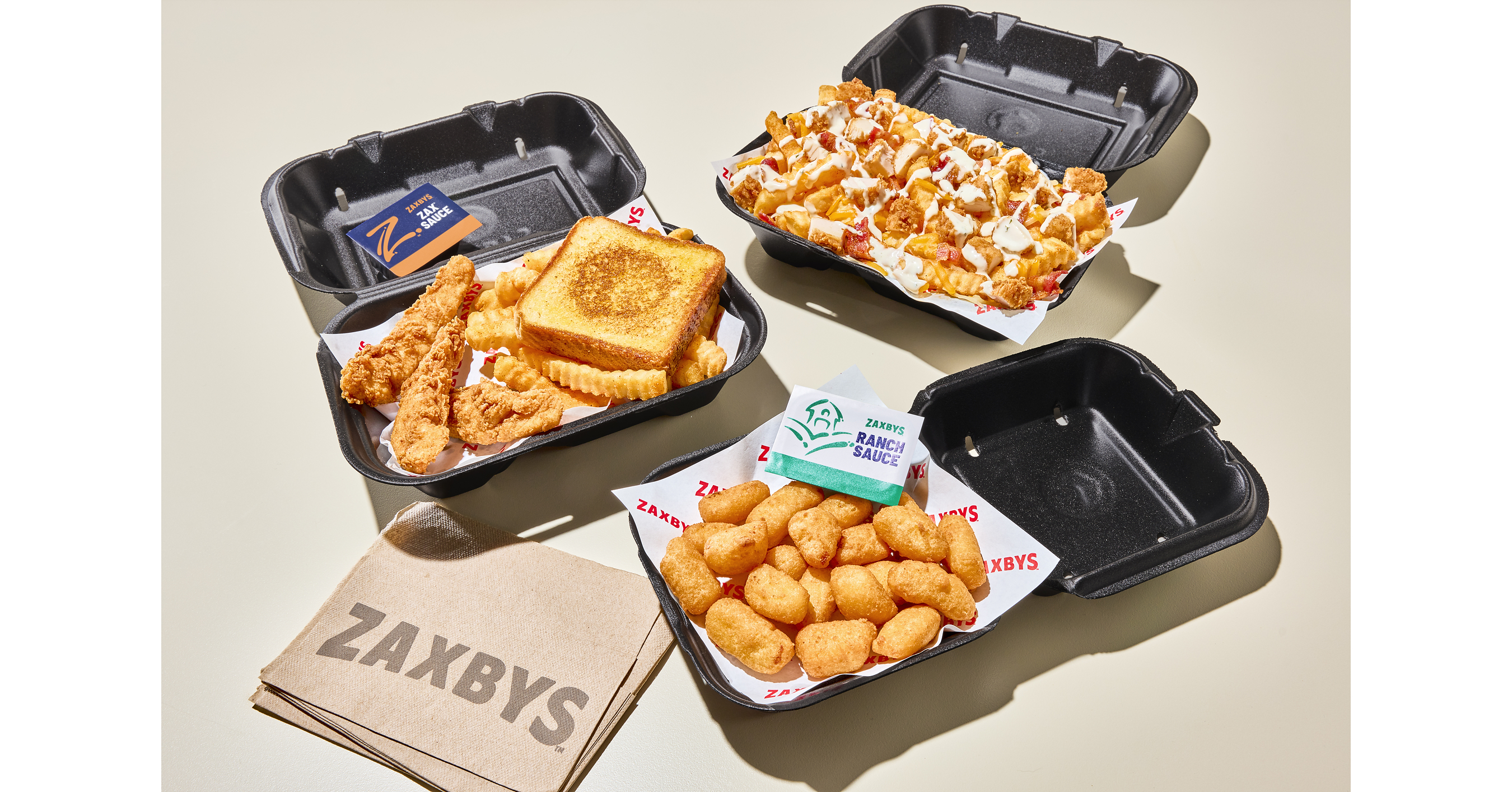
Zaxbys opened its first New York restaurant on June 29 in the Bronx (3260 Boston Road) and plans a second location on the Upper East Side at 1267 First Avenue later this summer. The ~2,000 sq. ft. Bronx site seats 15 and offers dine-in and drive-thru, while the Manhattan restaurant will be ~2,800+ sq. ft. with 16 dine-in seats and self-service ordering kiosks. Management frames the move as a milestone in its national expansion across 24 states, with initial soft-opening demand “drawing long lines.”
This is a brand-validation event, not an earnings event. The only investable read-through is that differentiated chicken concepts still have room to win share in dense, high-cost urban markets, but two stores are too small to move the needle for public comparables. The more relevant signal is franchise economics: if the Bronx unit performs, it implies the concept can support lower AUV payback in trade-heavy neighborhoods; if the Manhattan unit struggles, it will highlight labor/rent pressure and cap the pace of Northeast rollout.
Second-order, the likely winners are landlords and local franchise recruiters, not listed equities. A successful NYC debut could lift the valuation of similar mid-scale, franchise-led restaurant concepts by reducing perceived saturation risk, while pressuring weaker regional chicken operators that rely on the same value-seeking customer. Any benefit to digital platforms is marginal at best; app ordering and loyalty matter here only insofar as they improve store-level data capture and repeat frequency.
The contrarian point is that investors often confuse market-entry headlines with scalable economics. Urban expansion is usually margin-dilutive early because labor, occupancy, and buildout costs rise faster than traffic gains; the real catalyst is six to twelve months of unit-level throughput, not the opening itself. A negative read would be if lines normalize quickly and delivery mix skews too high, because that would imply weaker takeout economics and longer payback periods.
AI-powered research, real-time alerts, and portfolio analytics for institutional investors.
Overall Sentiment
mildly positive
Sentiment Score
0.15
Ticker Sentiment
