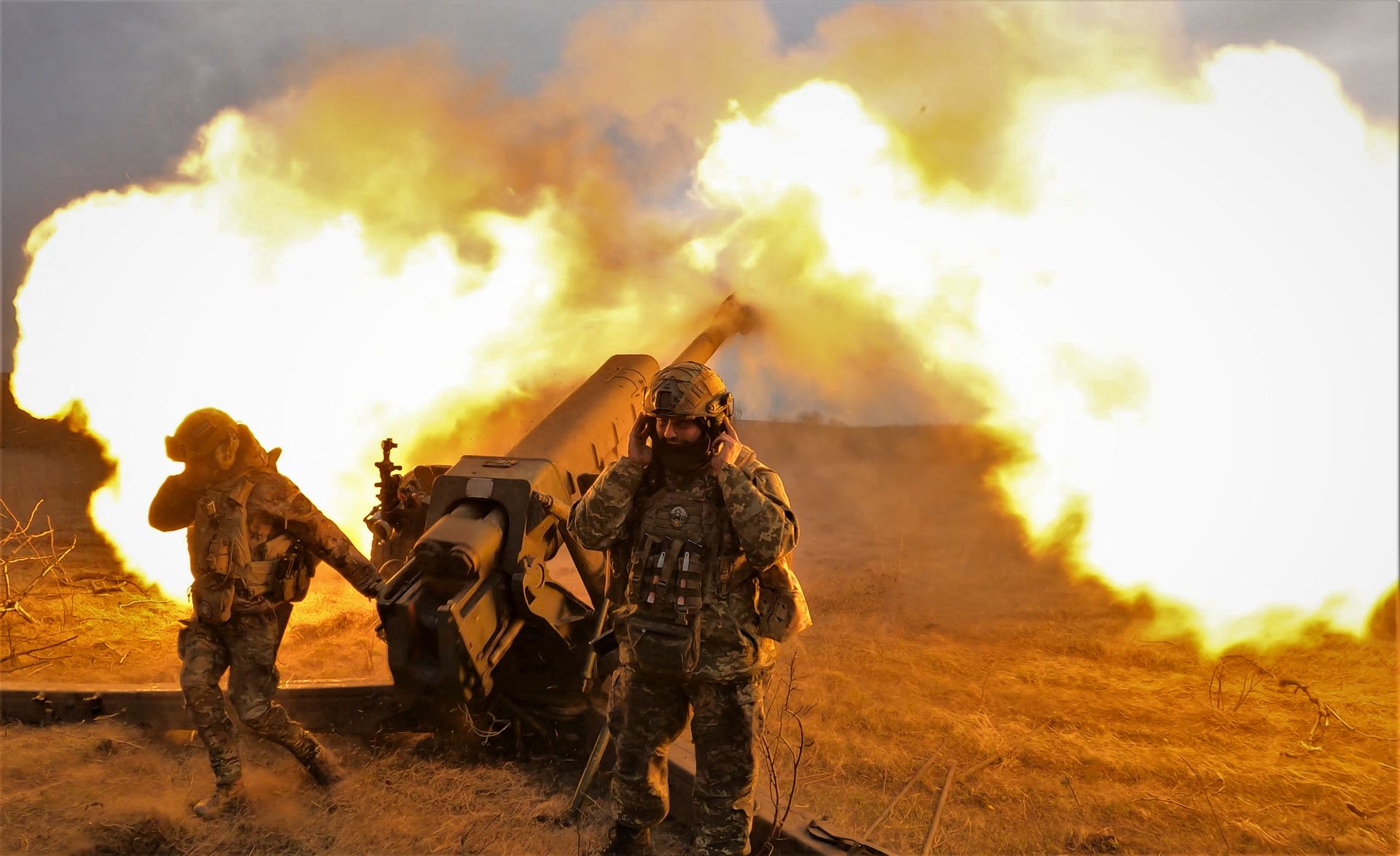
The article argues that Ukraine needs a strategy aimed at Russia’s "terminal defeat," not just deterrence, and calls for deeper strikes, expanded unmanned systems, stronger air defense, and underground critical infrastructure. It says Ukraine should raise Unmanned Systems Forces from 5% of total strength to 10%-20% and prioritize anti-drone defenses against Shahed/Geran/Gerbera threats, while operating under persistent scarcity of Patriot PAC-3 MSE interceptors. The piece is strategic commentary rather than a market-moving policy announcement, but it reinforces elevated geopolitical and defense-sector risk.
The investable takeaway is not “more war,” but a re-pricing of the duration and composition of defense spending. If the conflict shifts toward persistent remote attrition, the earnings power migrates from legacy platform primes to the less crowded picks-and-shovels layer: drone autonomy, EW, counter-UAS, battlefield software, and hardened infrastructure. That favors suppliers with short cycle times and software-like margins, while penalizing companies exposed to long procurement lead times or single-platform dependence.
Second-order effects matter more than headline missile counts. A sustained move toward dispersed, unmanned, sensor-rich defense architectures implies structurally higher demand for secure comms, edge compute, thermal optics, batteries, and domestic manufacturing of components that are currently bottlenecked by Asian supply chains. It also increases urgency around undergrounding critical infrastructure, which benefits civil engineering, tunneling, power conditioning, and modular shelter vendors over traditional construction names.
The real risk is policy fatigue: if Western support shifts from replenishment to ceiling-setting, the market can underprice the funding gap for months before it shows up in orders. Conversely, any credible escalation in Russian mobilization or a jump in drone salvos would be a catalyst for a fast repricing of counter-UAS and air-defense beneficiaries. The contrarian point is that the article’s “terminal defeat” framing may be strategically correct but financially less actionable than the more immediate implication: Ukraine and its backers are likely to overspend on survivability and autonomy, not on offensive breakthrough systems, for the next 12-24 months.
AI-powered research, real-time alerts, and portfolio analytics for institutional investors.
Request DemoOverall Sentiment
mildly negative
Sentiment Score
-0.15
